



Lathe vs. Milling Machine: Key Differences & Choosing the Right Tool
In the manufacturing industry, some of the essential machines used are lathe and milling machines. These machines have the same machining principle known as subtractive machining, which involves the use of a cutting tool to remove material from a workpiece and shape that material into the desired specifications. However, both machines differ in terms of their technique, function, and purpose.
Lathe Machine
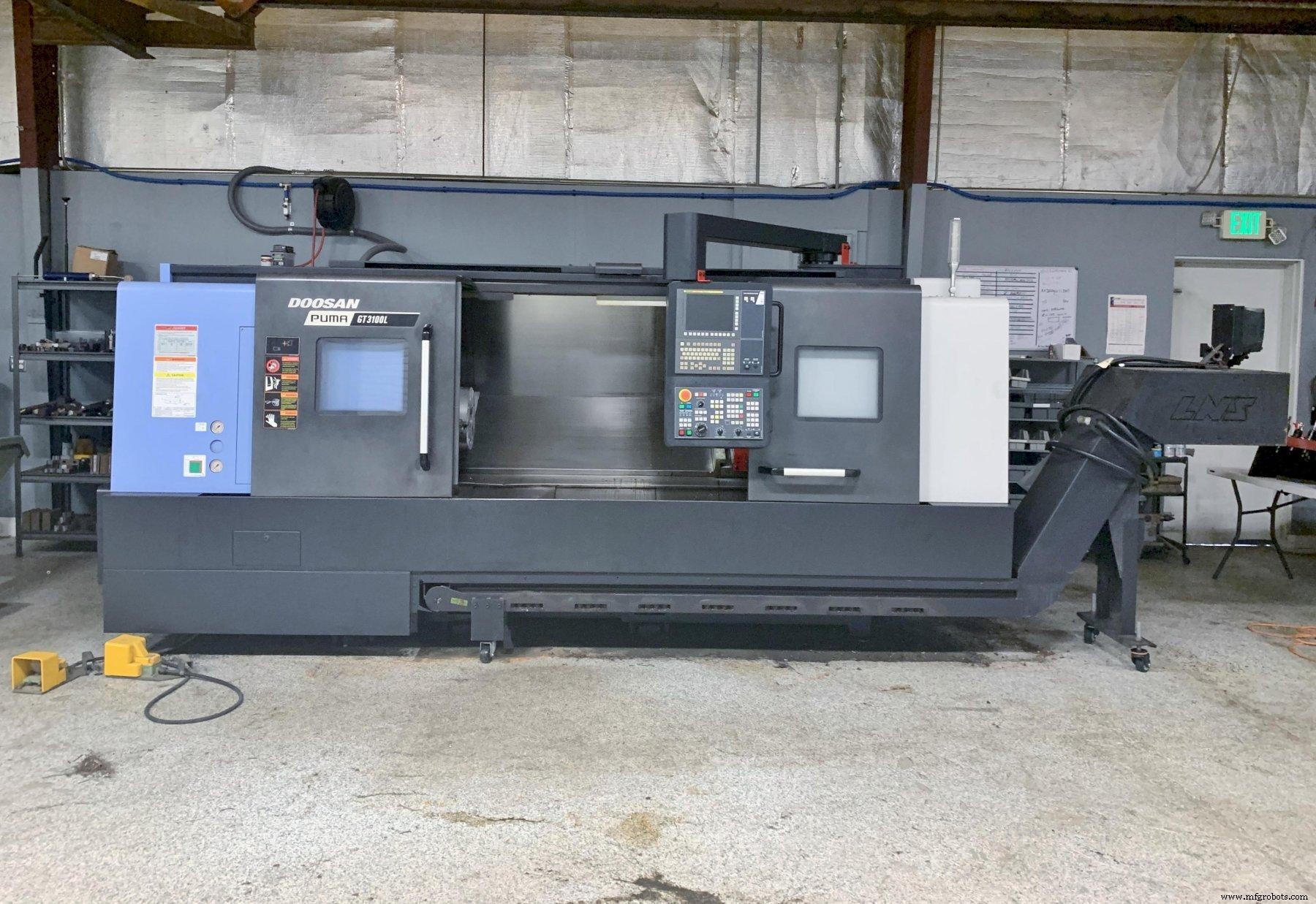
A lathe machine is a machine that spins the workpiece while a fixed single-bladed cutting tool shapes it by removing the unwanted material. Known as the “Mother of all Machines”, it is probably the oldest machine ever known to mankind as it was first used way back 1300 BC in Egypt. During the 1800s, a British engineer named Henry Maudslay invented the metal lathe to cut metal, making him the founding father of machine tool technology. Nowadays, the older and traditionally used production lathes are being replaced with a more advanced form of lathe which is the Computer Numerical Control (CNC) Lathe Machine. It is used for large-scale productions because it can be easily operated, and it creates more accurate products.
The main parts of the lathe machine are the bed, headstock, tail stock, carriage, saddle, cross slide, compound rest, tool post, apron, chuck, feed rod, lead screw, and spindle – and each part is very important in producing a variety of products such as electric motor parts, woodwind instruments, bowls, vases, bolts, gun barrels, baseball bats, pottery, etc. The person who operates the machine is called a “turner”. They need to be knowledgeable about the properties of the materials being cut for they are responsible in selecting the cutting tools, mounting and dismounting workpieces, roughing and finishing operations, checking finished pieces, cleaning the work area, and carrying out maintenance of turning lathes and tools.
Although the shape of the material you can work with the lathe machine is limited, it is effective for cylindrical parts. Aside from this, here are some of the advantages of using a lathe machine:
- High Productivity – High quality products are made with top-notch accuracy, especially with the use of CNC Lathe, which results in increased productivity.
- Fast Production – Due to its high-speed production especially with the use of CNC lathe and automatic lathe machine, more products can be done in a lesser time.
- Saves Time and Money – With the abovementioned advantages, it saves time and money. Lathe machines also require few operators, so there is no need to have many turners.
However, lathe machines also have disadvantages, and these are:
- Huge and Expensive Machine – The initial cost for a lathe machine is very high and since it is already a large machine, it needs a big space. In addition, there are operations that require extra fittings and attachments which increase the size of the machine even more.
- Limited Shapes and Structures – Although cylindrical shapes work best with lathe machines, there are only specific shapes and structures that can be done using it.
- Constant Maintenance – Since a lathe machine has a lot of parts, proper maintenance should be done constantly. Otherwise, it may damage the machine or some parts of it.
- Highly-skilled Turners – Only few turners are required in operating lathe machines, however, these turners should be highly-skilled for it requires constant supervision and precise control of the machine.
Milling Machine
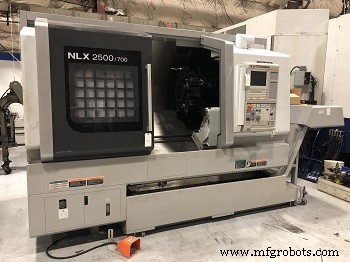
A milling machine is a machine that uses rotating multi-bladed or multi-pointed cutting tools to remove unwanted material and shapes a workpiece. It is a versatile machine that allows the cutting tool to perform various styles and shape the workpiece in different orientations, even the complex ones. The first milling machine was invented by Eli Whitney in 1818. During the 60s to 70s, the development of milling machines moved from Numerical Control (NC) to Computer Numerical Control (CNC) in which data storage and input methods improved until machines could automate the milling process.
The main parts of the milling machine are column and base, knee, saddle and swivel table, power feed mechanism, table, spindle, over arm/overhanging arm, arbor support, and ram. With these parts, a milling machine can create products such as trophies, car parts, metal engravings and sculptures, gears, and a lot more.
Here are some benefits or advantages of using a milling machine:
- Accuracy and Flexibility – The multi-bladed cutting tool of a milling machine can do complex shapes accurately, and the finishing is précised.
- High-Speed – Milling machines can be used in mass production because they can produce high quality products in less time, which results in high productivity.
- Automation – Since there is no need for a lot of people to operate these machines, it reduces labor cost and chances of human error.
If there are advantages, there are also disadvantages in using milling machines and some of it are:
- Electricity Consumption – In using a milling machine, the electricity consumption is high during operation.
- Skilled Operator – Although it does not require a lot of workers to operate milling machines, they still need to be skilled and have proper training.
In simple terms, the lathe machine rotates the workpiece against a stationary single-bladed cutting tool while the milling machine exposes the still workpiece in a rotating multi-bladed cutting tool. If you’re interested in buying a CNC Lathe or a CNC Milling machine, please look through our used CNC Lathe inventory and CNC Milling machine inventory. Contact us today and we’ll guarantee that we can help you find the right machine that’s perfect for your application.
CNC Machine
- Understanding Milling Machines: Functions, Applications, and Basics
- Mastering Hard Milling on CNC Machines: Expert Tips & Best Practices
- Comprehensive Guide to Milling Machine Operation
- Discover the Key Types of Milling Machines for Metal Machining
- Versatile Milling Machines: Cutting, Drilling, and More
- Essential Parts of a Lathe Machine: Functions & Overview
- Understanding Lathe Machines: History, Types, and Applications
- Key Components of a Milling Machine Explained
- Lathe vs. Milling Machine: Key Differences & When to Use Each
- Comprehensive Guide to CNC G‑Codes & M‑Codes for Milling & Lathes