



Mastering Feed Rates for Single Flute End Mills: When to Slow Down and When to Speed Up
Machinists ask me all the time, “When do I go fast and when should I go slow with a single flute end mill?” Well, as you can imagine, there are a lot of variables at play regarding feed rates for single flute end mill, but let’s try to break it down.
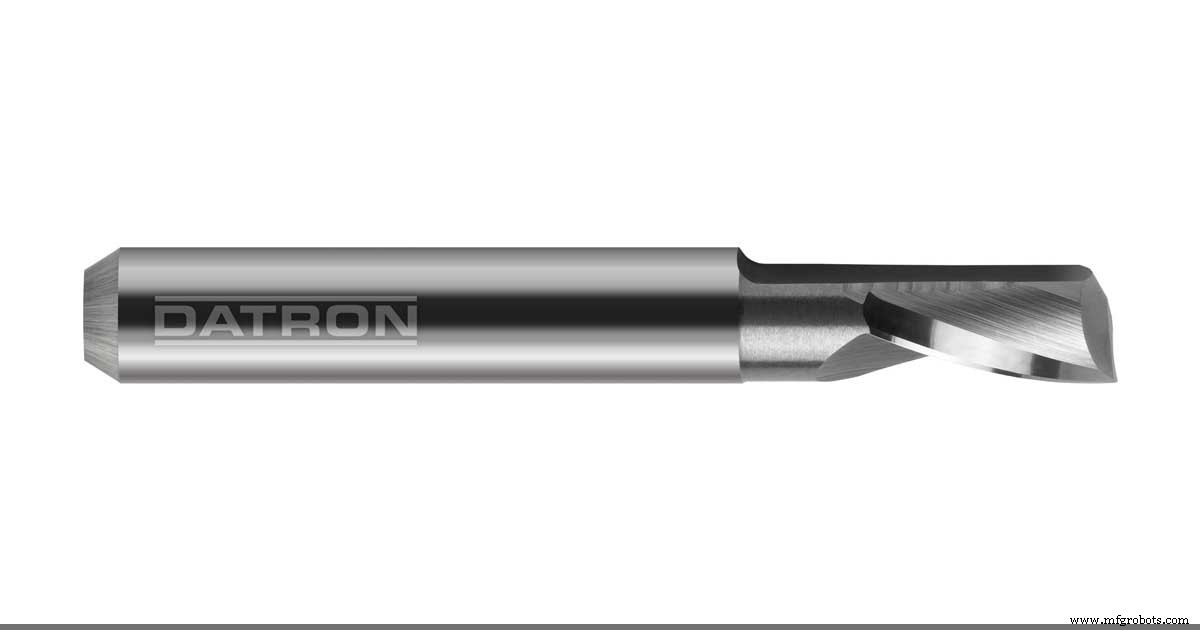
DATRON Single Flute End Mill: exceptional for efficient chip evacuation and high feed rates.
Slow Feed Rates for Single Flute End Mill
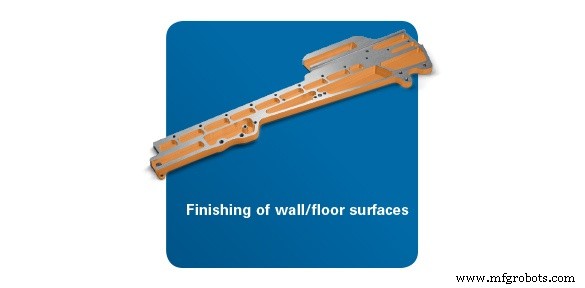
Slow (60″/min) – Finishing – If you need an exceptional quality in the finish of a floor or wall, it helps to slow the machine down to take a fine chip and decrease cutter load/cutter deflection.
Medium Feed Rates for Single Flute End Mill
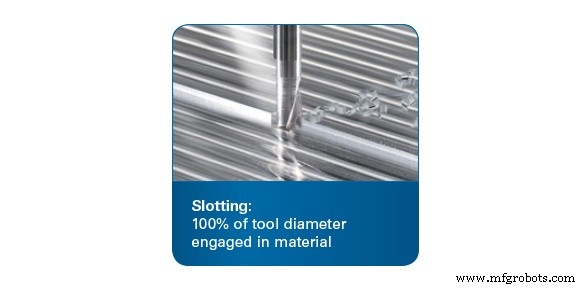
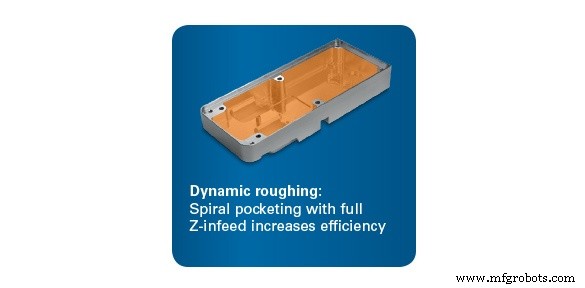
Medium (120″/min) – Slotting – Something a single flute does particularly well is slotting, which is a tool path that has 100% of the tool diameter engaged in the material. Using a proper depth cut (25% of tool diameter), you can cruise along at a decent pace without worrying about clogging up on chips.
Fast Feed Rates for Single Flute End Mill
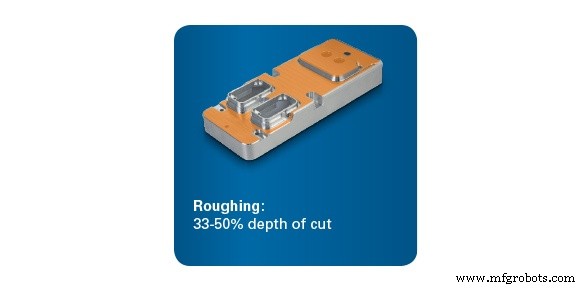
Fast (180″/min) – Traditional Roughing – When you are using a normal milling strategy, in the range of 33-50% depth of cut (2-3mm) with a 50-70% stepover, you can be fairly safe kicking the speed up, just keep an eye on your spindle load.
Very Fast Feed Rates for Single Flute End Mill
Extremely Fast Feed Rates for Single Flute End Mill
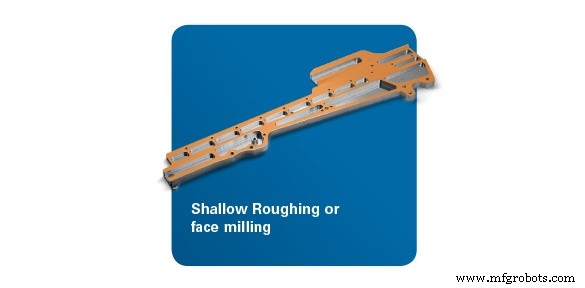
Extremely Fast (300″/min) – Shallow roughing – If you are taking off less than 10% depth of cut (0.60mm), then you should be safe cranking the feed way up. With such a shallow cut, you won’t have to worry about overloading the tool or spindle.
CNC Machine
- CNC Router Fundamentals: A Beginner’s Guide to Mastery
- Expert Guide to End Mill & Milling Troubleshooting: Prevent Wear & Breakage
- Balanced CNC Tools: Lower Vibration for High-Speed, High-Feed Milling
- Choosing Between Drills and End Mills: Key Guidelines
- Maximize Efficiency with a Proven Single‑Flute End Mill Machining Strategy
- Select the Right Plastic Cutting End Mill for Optimal Machining
- 4 Key Decisions for Choosing a Corner Rounding End Mill
- Choosing the Right End Mill for CNC Machining: Types, Materials, and Finishing Tips
- Beginner’s Guide to G‑Code Milling: A Practical Sample Program
- Beginner's Guide to G‑Code: Simple Milling Example & Practical Tips