



The Ultimate CNC Machine Shop Guide: How to Choose the Best for Your Projects
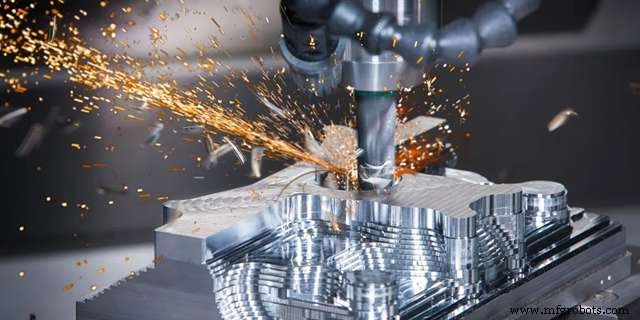
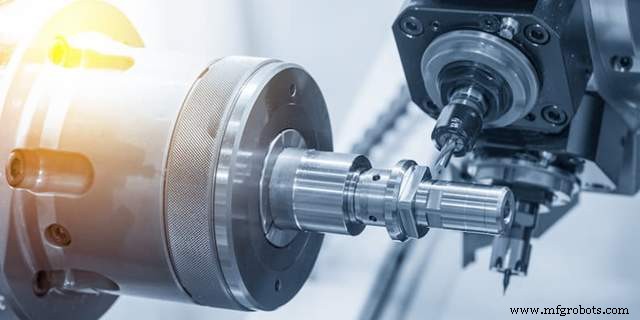
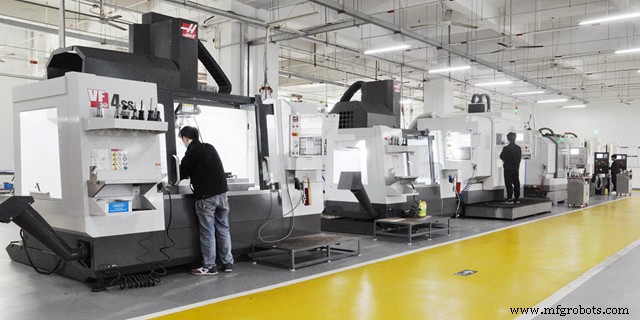
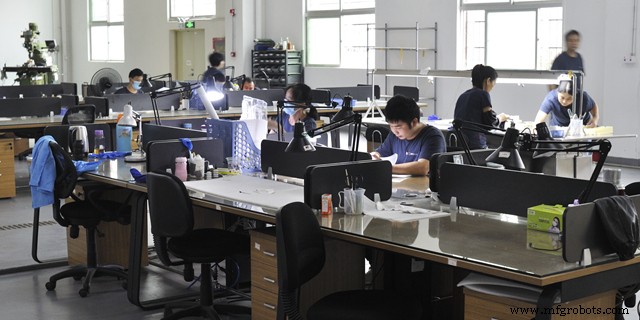
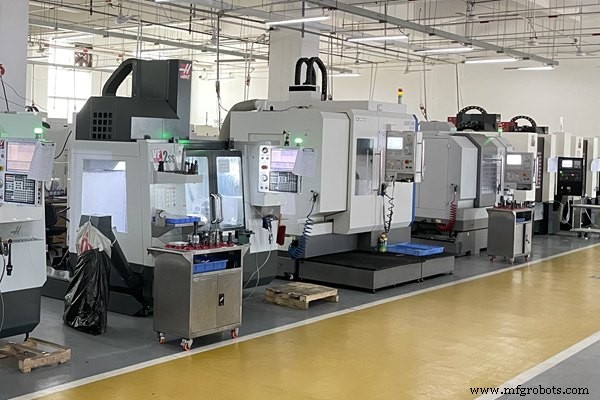
Manufacturing has undergone drastic changes in the last ten years. Massive production plants give way to small-scale industries that deliver low volumes of custom parts. These facilities, called CNC machine shops, are well equipped to provide CNC machining and prototyping services. Today, you can order and get CNC machined parts or prototypes from these machining shops in a short period. This guide contains valuable pointers to help identify the best CNC machine shop for your manufacturing projects. A CNC machine shop is where suitable materials get fabricated into CNC machine parts. You’ll find that CNC machine shops are available as floors or rooms, even buildings. Specifically, the machinists in these shops use CNC machines to cut and shape metal and plastic materials into specific machine parts. Moreover, some CNC machine shops are equipped with advanced multi-axis machines to create precise and complex custom parts. Depending on the manufacturing capabilities, these shops concentrate on specific industries: automotive, aerospace, medical devices, and so on. Some shops have hired capable design and analysis engineers and can provide you with complete engineering design, verification, and production of your idea. Thus, you’ll discover that top-tier CNC machine shops have advanced CNC technologies to handle all machining services. This ensures that they stay relevant and competitive in the machining space. You’ll find that functional CNC machine shops contain many pieces of CNC machining equipment used for various operations. They include: The milling machine is one of the most pivotal pieces of equipment in machine shops. Computer Numerical Control (CNC) milling machine uses pre-programmed software to automate subtractive manufacturing operations. This automated machine comprises a vertical spindle and revolving head. Further, the head contains a rotary cutter fed to the workpiece to remove excess material until almost any desired shape is formed. Additionally, CNC mills are available in different configurations. They include the 3, 4, or 5-axis mills. Note that the higher the number of axes, the more CNC mills can fabricate parts with complex geometry and intricate details. As such, the modern 5-axis CNC milling machine is most suitable for manufacturing complex parts. But it is more expensive due to its flexible features. Thus, this impacts the final cost of intricate custom parts. Unlike the CNC mills, the manual milling machine doesn’t have a CNC system. Thus, it gets operated by hand, making it more labor intensive. But then, the manual model is an excellent option for fabricating a single metal part. A CNC lathe comprises a chuck and multi-sized cutting tools. The lathe rotates the chuck holding the stationed workpiece while the cutting tool removes excess material. Thus, the lathe machine is most common for CNC turning operations. More so, CNC turning is well-suited for symmetric components and is compatible with many materials. Before using the machine, the machinist sets the cut’s speed, feed rate, and depth to get the desired shape of the custom part automatically. Experts often use this machine to fabricate electrical components in machine shops. A grinding machine uses a high-quality grinding abrasive wheel made of small hard particles to shave off small layers of materials and form a very precise dimension with great or mirror-like surface finishes. Such operations are used for high-precision parts and it is recommended to use them only for tolerances IT 7 or higher. They are costly and take up time. The main components include the vertical spindle, chuck, clamp, and feed/manual lever. Generally, drill presses apply in drilling holes in any part. When using a drill press, the machinist uses the feed lever to control the movement and depth of the drill bit into the workpiece. Sometimes, a coolant or lubricant gets added to ensure a smooth, precise drill. More so, drill presses provide more power, stability, and accuracy than handheld drills. Thus, they are indispensable in CNC machine shops. EDM stands for Electrical Discharge Machine. Unlike other machining tools, EDM uses electrical sparks to penetrate compatible workpieces and fabricate them into machined parts. The exceptional feature of this machine is that the cutting force is close to zero. So this ensures that the piece does not get deformed during its processing. Engineers often use this machine to fabricate hardened precision parts and die cavities. When the parts are complete, you sometimes need to get additional properties. Such as mirror-like surface finishes, colors, glossiness, or smoothness. All of them require special treatment so a good CNC machine shop usually has at least a small set of post-processing equipment. Some CNC shop manufacturers also offer polishing, bead blasting, and anodizing services. Control equipment remains essential to check the tolerance of the parts and evaluate their properties. Hence, coordinate measuring machines ensure error-free operation of various directives and provide data reports on machined parts. Moreover, they are precise and can measure almost any dimension. Machinists move the 3D scanner around the workpiece to capture its different parts and provide its 3D model. With this model, manufacturers can quickly tell whether a workpiece is compatible with a machining process. The process usually takes 3-4 minutes. Vernier caliper applies in measuring different dimensions. They include inner sizes, outer dimensions, and depth of the workpiece. Machinists use a micrometer screw gauge to measure a component’s precise depth, length, and thickness. Also, pin gauges measure and inspect the diameter of small holes. In a CNC machine shop, the machines perform different production tasks, either manual machining by a CNC machinist or equipped with CNC technology. In addition to machinery, the manufacturer usually stores raw materials that can be used for machining parts. However, for manufacturers with small-size CNC shops, their raw materials may be stored elsewhere, such as in a warehouse. There is a specialized area containing computers equipped with CAD software where machinists can design CNC parts in digital ways. As we know, once you’ve optimized your CNC machine shop and made it work in some way, you have limitless opportunities to improve and scale up your production. Here are some tips for optimizing. When you have an urgent project, it is wise to choose a machine shop that can offer one-stop services. It is because a complete CNC machine shop not only provides fully CNC machining services but also various post-processing options. In this way, you can get perfect prototypes or precise parts at one time without visiting different suppliers to reduce development cycles. Following are the post-finishing techniques: A good CNC machine shop usually can carry out a complete quality control inspection throughout the entire production process in order to produce high-quality prototypes and tight tolerances of CNC machined parts. There are detailed inspection steps that are used for the quality control process of the product being produced by the CNC machine shop. At WayKen, we give you 100% promise to carefully monitor each project from start to finish to meet all customers’ exact specifications. Another vital element that ensures the work of a CNC machine shop is its staff. If the machine tools are the heart of the shop, machinists are its brains. A capable machinist can take a drawing and turn it into a part without any previous preparation. He can set up the machine tool and the cutting tool and do everything himself. A good CNC machinist will create complex programs for the CNC machining centers and provide the shop with complex and high-quality parts. A professional machinist and craftsman should have skills as follows: At WayKen’s CNC machine shop, our team of CNC machinists carefully carries out every step of the machining process with state-of-the-art technology such as EDM, 5-Axis Machining and Micromachining, etc A CNC machine shop can be dangerous if you neglect the operating instructions. Thus, CNC machinists undergo special courses on machine shop safety and adhere to the current rules. Below are vital tips to help optimize your CNC machine shop safety: Not all machinists are workhorses! As such, don’t let your employees weary from tight work schedules. Instead, incorporate flexible work schedules in your machine shop. Besides, agile and healthy workers will contribute to productivity. Above all, safety remains paramount! Thus, you must ensure that all workers wear the appropriate clothes and gear when performing production tasks. Sometimes, extra wears like a safety mask and glasses-wearing are also crucial for specific tasks such as painting. Your CNC machine must embrace the concept of eco-friendly manufacturing and take responsibility for industrial waste products. In the long run, the action of environmental protection and clean shop can leave a good impression on each customer and keep them coming back for more. At times, CNC machine shops may need to store some flaming machining materials. Hence, workers must carefully keep and handle them to prevent fire hazards. On top of that, ensure your workers have extensive knowledge of fire control peradventure a fire incident does occur. CNC machines also need routine maintenance to stay in top condition. Besides, regular inspection of the equipment can improve its lifespan. Thus, this reduces the risk of machine breakdown or capital loss from having to buy a new one. However, some production anomalies frequently happen, how do manage, or fix them in the right way? Here are five steps to manage production anomalies prototype shops for you. For product developers and business owners, there are many things needing to consider before beginning a working relationship with a CNC machine shop: When you send your orders to a CNC machine shop, you also invest your time and money. Seeking a long-term, reliable machine shop may help you to resolve many unnecessary troubles. Also, the right manufacturing partners can save production costs. Of course, low prices are unrelated to quality work. An ISO 9001-certified CNC machine shop establishes credibility and trust with its customers at ease. This is because the certification guarantees that the parts produced from the machine shop meet the acceptable standard through proper quality control during and after production. Thus, you can stay assured that the machined parts you buy from these machine shops are of good quality. Your privacy is also of utmost importance when it comes down to patented designs. So, you must choose a machine shop that agrees to sign a Non-Disclosure Agreement (NDA). This ensures that your design specifications won’t be passed on to mysterious third parties. Most machine shops with good communication skills build a steadfast relationship with their customers. You’ll find that they are readily accessible to handle all your design details through diverse media. Aside from this, they use a suitable feedback mechanism and promote the project’s development. Are you still looking for a trusted CNC machine shop? WayKen as a prototype manufacturer can provide advanced manufacturing and rapid prototyping solutions for global customers. We assure quality, precision, and affordability at any volume of machined parts. Contact us today as our expert machinists will handle all your machining services. You won’t go wrong with us!What is a CNC Machine Shop?
What Can You Find in a CNC Machine Shop?
1. Milling Machine
2. Lathe
3. Grinding machine
4. Drill press
5. EDM Equipment
6. Surface Finishing Tools
7. Coordinate Measuring Machine
8.3D Scanner
9. Vernier Caliper
10. Micrometers and Pin Gauges
Others
How To Optimize Your CNC Machine Shop
1. Guarantee One-Stop Post Finishing
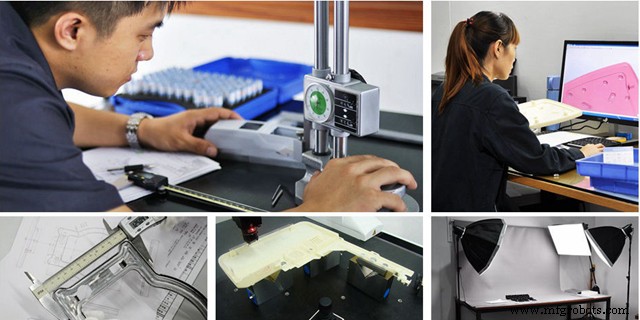
2. Strengthen Quality Control and Inspection
Quality control process
3. Ensure High-Quality Machined Components
4. Improve CNC Machine Shop’s Safety
4.1 Incorporate Flexible Work Schedules
4.2 Use Appropriate Dress code for Specific Situations
4.3 Proper Waste Management
4.4 Implement Fire and Other Hazards Preventive Measures
4.5 Regular Machine Maintenance
Tips to Choose a Quality CNC Machine Shop
1. Look for Long-term Value and Offer a Competitive Price
2. Find an ISO Certified CNC Machine Shop
3. Keep Customer Privacy
4. Good Communication and Understanding of the Needs of Customers
A Reliable CNC Machine Shop – WayKen
CNC Machine
- Why Investing in a CNC Machine During COVID-19 Is a Smart Move
- How to Choose the Right CNC Router: Key Factors to Consider
- Mastering CNC Machine Shops: A Comprehensive Guide for Professionals
- 7 Essential CNC Parameters Every Operator Must Master
- 9 Essential Machine Learning Applications You Must Know
- Comprehensive CNC Milling Guide: Techniques, Materials, and Best Practices
- CNC Machining in Energy Production: 3 Key Insights for Industry Professionals
- Master 5-Axis CNC Milling: A Comprehensive Guide for Professionals
- Master 5‑Axis CNC Machining: Expert Guide for Precision Manufacturing
- The Definitive Guide to CNC Machine Shops: Choosing the Right Partner in China