



8 Essential Criteria for Choosing a Local Diesel Mechanic School
Choosing a diesel school is a pivotal career decision, not just a campus search. The right program delivers more than classroom lectures—it equips you with hands‑on skills, deep system knowledge, and confidence for the field.
Whether you’re seeking a faster path than a four‑year degree, transitioning from military service, or simply craving hands‑on work, the program you choose should lay a solid foundation for a sustainable career.
Before committing, understand what truly distinguishes one training program from another. A quality curriculum builds foundational knowledge, teaches system diagnostics, and offers abundant hands‑on practice before you step into the shop.
Below are eight essential criteria to evaluate when searching for a local diesel mechanic school, illustrated with examples from Universal Technical Institute’s (UTI) Diesel Technology program.
Why Quality Diesel Training Matters
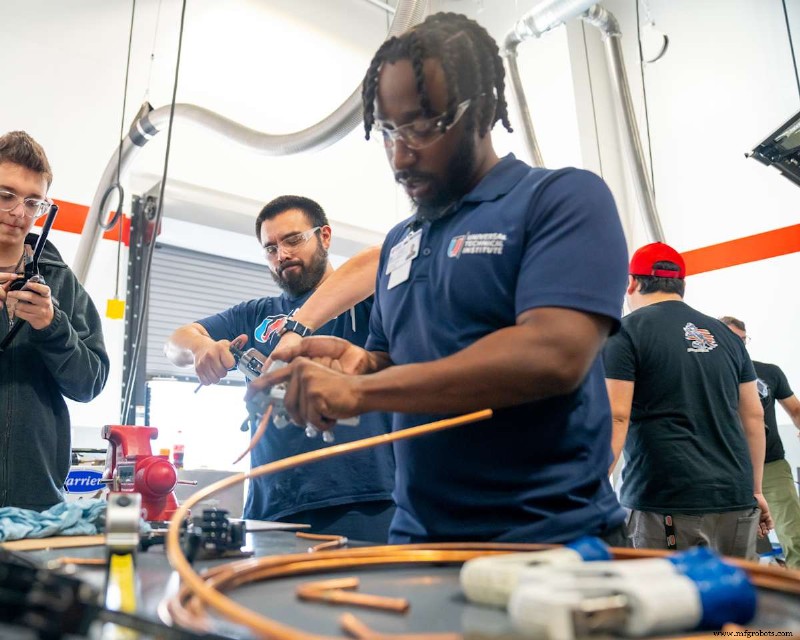
Diesel training is an investment in specialized, job‑ready skills. Instead of a broad curriculum, a focused program concentrates on diesel engines, hydraulics, electrical systems, and shop procedures—making the transition from student to technician smoother.
Builds Job‑Focused Skills
A top‑tier diesel program connects directly to real‑world tasks: diagnostics, maintenance, repairs, electrical troubleshooting, powertrain work, and more. The emphasis is on applying theory to practical scenarios.
Prepares for Complex Systems
Modern diesel vehicles incorporate advanced electronics, emissions controls, and hybrid components. A rigorous curriculum introduces students to the components, tools, and diagnostic processes used in professional shops.
At UTI, students encounter modules such as:
- Engines
- Brakes
- Hydraulics
- Electrical
- Transport Refrigeration
- Preventative Maintenance
Course offerings vary by campus but maintain a consistent standard.
Hands‑On Practice Before the Field
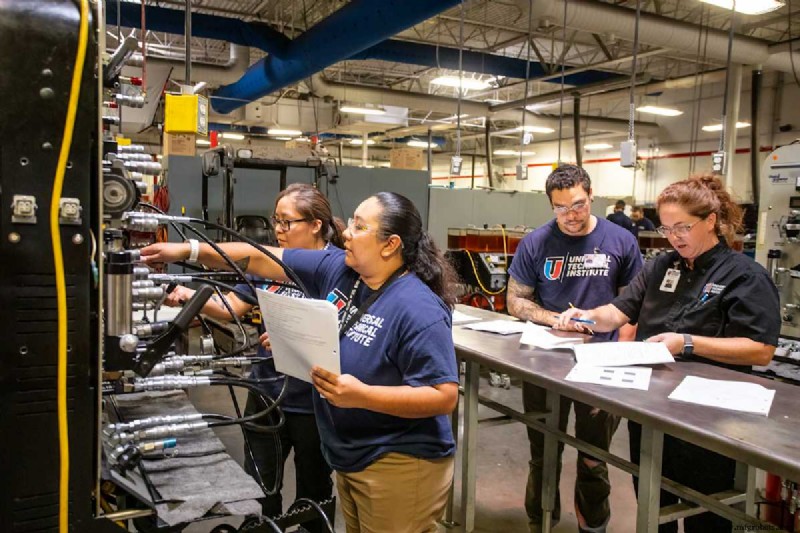
Hands‑on labs allow students to apply classroom knowledge in a supervised setting, building confidence before entering the workforce. Practical experience reduces the learning curve and improves job readiness.
1. Accreditation
Accreditation signals that a program meets industry‑established standards. Look for both institutional accreditation and program‑specific recognition.
Institutional Accreditation
Trade‑school accreditation evaluates overall quality, administration, and student support. UTI is accredited by the Accrediting Commission of Career Schools and Colleges (ACCSC), recognized by the U.S. Department of Education.
Institutional accreditation also enables eligibility for federal Title IV financial aid.
Program‑Level Accreditation
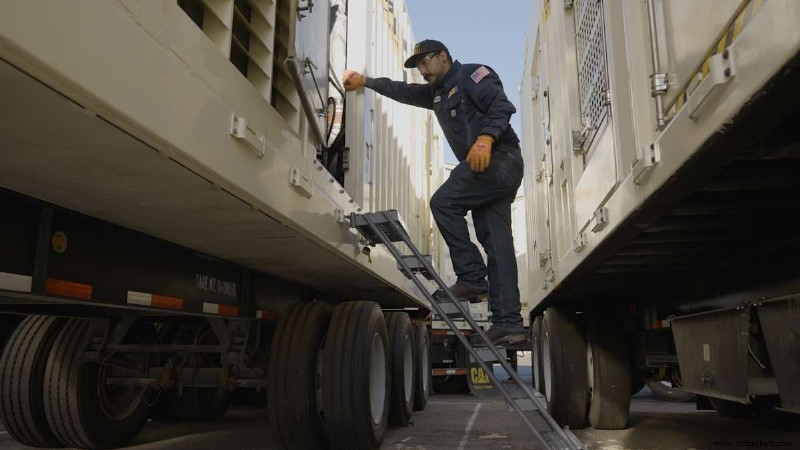
The National Institute for Automotive Service Excellence (ASE) Education Foundation accredits diesel and automotive training. UTI’s diesel program carries ASE accreditation at most campuses, preparing graduates for ASE certification exams.
2. Hands‑On Training Focus
Effective diesel education blends theory with shop work. UTI uses a blended learning model: online coursework complemented by lab sessions on real diesel systems.
Students train on brakes, chassis, engines, electrical systems, and more, ensuring they see concepts in action.
A hands‑on emphasis also helps students identify their learning style—visual, kinesthetic, or a blend.
3. Manufacturer Relationships
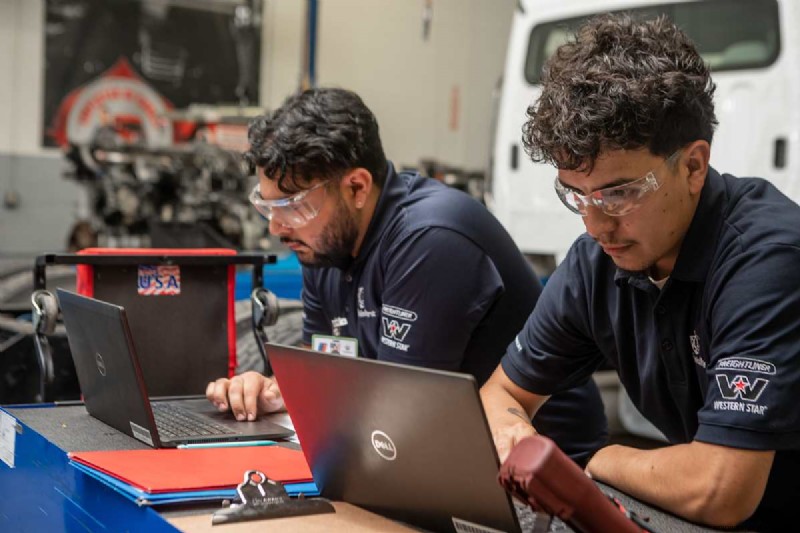
Partnerships with diesel manufacturers align training with industry practices and open pathways for advanced, brand‑specific courses. UTI offers Manufacturer‑Specific Advanced Training (MSAT) programs, covering models such as:
- DTNA Cascadia & Western Star trucks
- Detroit Diesel engine diagnostics
- Peterbilt suspension
- Cummins electrical circuit diagnosis
- Cummins ISX15 engines
- Cummins AC generators
- Motor control troubleshooting
Some MSAT programs are manufacturer‑funded for eligible students, and UTI’s Tuition Reimbursement Incentive Program (TRIP) may provide loan repayment or tool assistance for graduates hired by partner employers.
4. Fast Training
Program length matters when you’re eager to start earning. UTI’s core Diesel Technology program is designed to finish in under a year, giving students a clear timeline and focused curriculum.
Extended training, such as MSAT courses, adds depth without extending the initial diploma period.
5. Flexible Scheduling
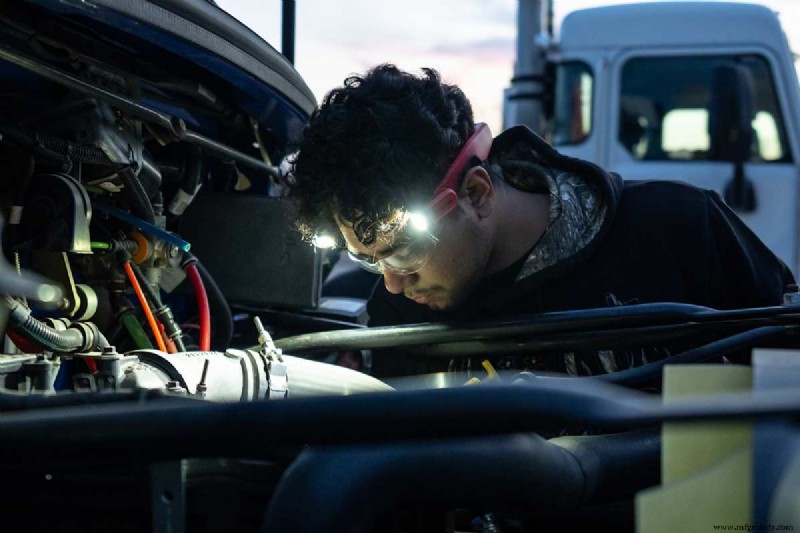
Whether you’re a recent high‑school graduate, a working parent, or a veteran transitioning to civilian life, scheduling options—daytime, evening, or accelerated tracks—make training fit your lifestyle.
6. Financial Aid
Cost is a top concern. UTI offers transparent tuition information and a full range of financial aid options, including scholarships, grants, and federal loans.
In 2025, UTI awarded over $27 million in scholarships and grants, underscoring its commitment to making quality training affordable.
7. Career Support

Career services at UTI help with resume building, interview preparation, job search strategies, and industry networking. The Early Employment Program connects students with part‑time opportunities at participating employers.
8. Veteran‑Specific Support
Veterans and active‑duty members often rely on VA benefits. UTI’s Military Admissions team assists with Post‑9/11 GI Bill® eligibility, paperwork, and benefit maximization.
Veteran‑friendly programs and support groups help ease the transition to civilian training.
Diesel Mechanic Schools Near You
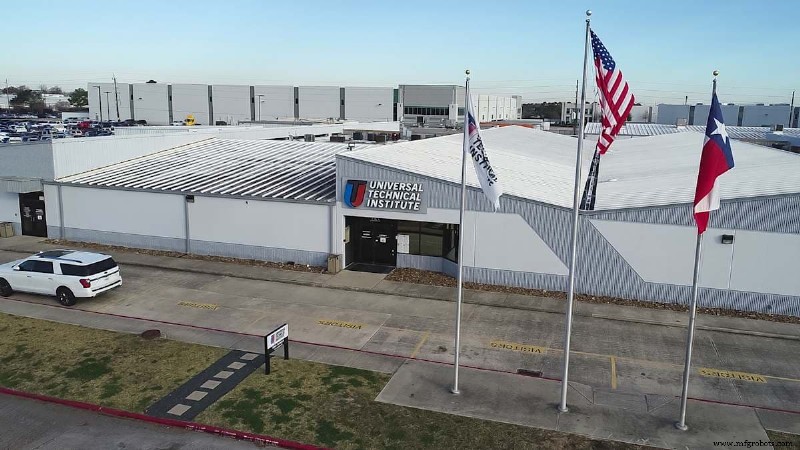
When choosing a local diesel school, consider location, commute, campus resources, and VA benefit availability. UTI operates campuses nationwide, offering consistent quality and tailored support.
FAQs on Diesel Mechanic Schools Near You
How long does diesel mechanic school take to complete?
The core Diesel Technology program is under one year; advanced MSAT courses add time based on the chosen specialization.
What is the cost and financial aid options?
Tuition varies by campus and program. Eligible students can access scholarships, grants, and federal loans through UTI’s Financial Aid team.
What should I look for when choosing a diesel mechanic school?
Prioritize accreditation, hands‑on training, manufacturer ties, flexible schedules, financial aid, career services, and veteran resources.
Can diesel mechanic school help me become ASE certified?
Yes—UTI’s ASE‑accredited program allows graduates to substitute training for two years of experience required for the ASE diesel mechanic exam.
Can I use GI Bill® benefits for diesel mechanic training?
Most UTI campuses accept VA benefits; confirm eligibility and documentation before enrolling.
Start With a Diesel Mechanic School Near You
Choosing the right local school boils down to accreditation, hands‑on learning, scheduling, financial aid, career support, and veteran resources. UTI’s Diesel Technology program exemplifies these standards, preparing students for a successful career in diesel repair.
Have questions? Request information online or call 1-800-834-7308 to connect with an Admissions Representative.
Ready to get started? Apply now.
CNC Machine
- Choosing the Right Spindle: A Comprehensive Guide for CNC Machinists
- CNC Bits: Mastering Selection, Use & Maintenance
- CNC Machining Explained: Precision Manufacturing for Metal & Plastic Parts
- Mastering Surface Finishing: A Comprehensive Guide for CNC Machined Parts
- Fadal L93NN BHC Subroutine – Accurate Bolt Hole Circle Drilling
- Why EDM Drilling Outperforms Conventional Drilling: Key Benefits
- 7 Common CNC Router Issues and Proven Solutions
- Step-by-Step Guide to Positioning the Tool Magazine on the LNC MW5800A
- Unlocking Productivity: How Precision CNC Machining Drives Efficiency
- Understanding the Role of a CNC Operator in Modern Manufacturing