



How Much Does a CNC Lathe Machine Cost? A Practical Guide
When you first encounter a CNC lathe advertised at $20,000 and then another at $80,000, the price disparity can be confusing. The difference isn’t simply a matter of brand—each machine’s cost reflects its capabilities, precision, software ecosystem, and the long‑term value it delivers.
In this guide, we break down the real price range for CNC lathes, explain the key factors that influence cost, compare new versus used options, and outline the hidden expenses that buyers often overlook. By the end, you’ll have a clear framework for selecting the right machine for your needs—and for negotiating the best deal.
1. CNC Lathe Price Tiers
Prices vary dramatically, from a few thousand dollars for a hobby‑grade unit to half a million for a fully automated industrial model. The range reflects size, precision, and the intended production volume.
Entry‑Level Lathes – $5,000 – $20,000
Designed for small workshops, hobbyists, and light production, these machines handle simple parts but lack the power and automation of larger systems.
- Manual or semi‑automatic operation
- Limited spindle speed and cutting power
- Compact work envelope suitable for soft metals and plastics
They’re ideal for beginners or low‑volume operations, but they’ll soon outgrow businesses that aim for higher throughput.
Mid‑Range Lathes – $20,000 – $80,000
Most small‑ to medium‑sized manufacturers choose this bracket. These machines offer daily production capability, higher precision, and a host of automation features.
- Faster spindle speeds and tighter tolerances
- Automatic tool changers and live tooling options
- Capability to machine tougher alloys like steel and titanium
Upgrading from an entry‑level to a mid‑range model can double output and unlock more complex job orders.
High‑End Industrial Lathes – $80,000 – $500,000+
Factories and large‑scale manufacturers rely on these machines for maximum speed, precision, and automation.
- Ultra‑high spindle speeds for mass production
- Robotic integration for fully automated workflows
- Custom software for multi‑axis machining and complex geometries
These units are a worthwhile investment when you produce thousands of parts daily, but for smaller shops the premium may not be justified.
2. What Drives CNC Lathe Pricing?
Even machines with similar specs can differ sharply in price. Understanding the drivers helps you avoid overpaying or buying a unit that falls short of your requirements.
Machine Type
- Horizontal vs. Vertical – Horizontal lathes are common and more affordable; vertical models handle heavier parts and cost more.
- 2‑Axis vs. Multi‑Axis – Basic 2‑axis units suit simple cuts; multi‑axis machines enable complex geometry in fewer setups.
- Swiss‑Type vs. Standard – Swiss lathes excel at small, high‑precision parts and carry a premium price.
Specifications
- Spindle Speed & Torque – Higher speeds yield smoother finishes; greater torque tackles hard materials.
- Motor Power – Drives deeper, more efficient cuts.
- Bed Length & Swing – Larger dimensions accommodate bigger parts but raise cost and footprint.
- Tool Turret Capacity – More tools reduce manual intervention but add to the upfront cost.
Control System & Software
- Leading brands—Fanuc, Siemens, Haas, Mitsubishi—offer reliability but can increase the purchase price.
- Software compatibility matters; some machines require costly updates or aren’t fully compatible with third‑party tools.
Build Quality
- Cast‑iron frames absorb vibration and improve accuracy.
- Aluminum frames are lighter and cheaper but may not provide the same stability for heavy workloads.
Brand & Manufacturer
- Reputable Japanese, German, or U.S. brands typically carry a premium but offer higher reliability, better resale value, and superior support.
- Chinese manufacturers have improved quality significantly; they can provide competitive performance at lower prices, but verify warranty and parts availability.
Customization & Add‑Ons
- Live tooling, bar feeders, and automatic tool changers boost efficiency but raise the final price.
- Enclosed machine designs enhance safety and dust control but add cost.
3. New vs. Used: Which Makes Sense?
Choosing between a brand‑new or a used CNC lathe depends on your budget, risk tolerance, and production demands. Below is a quick comparison to guide your decision.
| Factor | New CNC Lathe | Used CNC Lathe |
|---|---|---|
| Price | $20,000 – $500,000+ | 30–50% cheaper |
| Warranty | Manufacturer included | No warranty; buyer assumes risk |
| Maintenance | Minimal early on | May need repairs/replacements |
| Reliability | High, no hidden issues | Variable; depends on prior use |
| Technology & Features | Latest control systems, automation | May lack modern updates |
| Lead Time | Weeks to months | Available immediately |
| Depreciation | Quick after purchase | Slower |
| Support & Training | Manufacturer support | No official training; rely on self‑service |
| Risk | Low, backed by warranty | Higher risk of unexpected issues |
When opting for a used machine, conduct a thorough inspection—verify spindle, bearings, control system, and maintenance records. A well‑maintained second‑hand unit can offer substantial savings without compromising performance.
4. Hidden Costs That Add Up
The sticker price is only part of the equation. Below are the common expenses that can significantly increase your total investment.
Installation & Setup
- Space and floor reinforcement for larger units
- Electrical upgrades for high‑powered machines
- Compressed‑air system for tool changes and spindle cooling
- Professional delivery and on‑site installation fees
Tooling & Accessories
- Cutting tools, chucks, and collets appropriate for your material
- Tool holders for quick and accurate changes
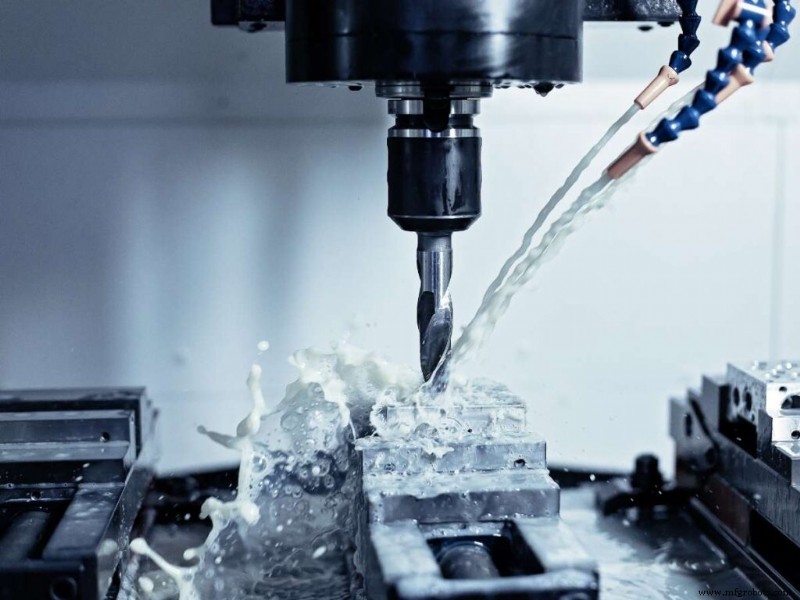
- Coolant systems to prevent overheating
- Chip conveyors and dust extraction for a clean work environment
In one case, a mid‑range lathe’s tooling cost approached $10,000.
Software & Licensing
- CAD/CAM software for design and program creation
- Annual maintenance or subscription fees for software updates
Maintenance & Repairs
- Regular preventive maintenance—lubrication, calibration, oil changes
- Availability and cost of spare parts (some brands have premium components)
- Professional repair services if breakdowns occur
Training & Labor
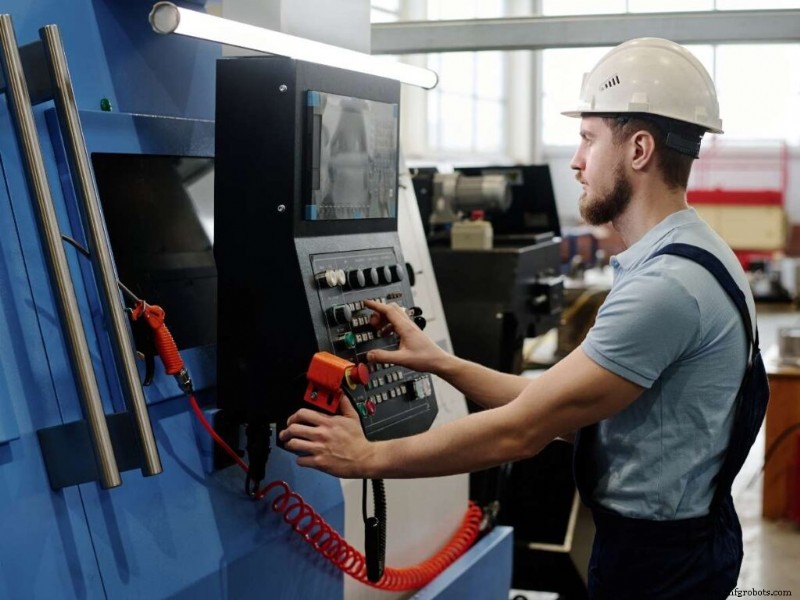
- Operator training to reduce errors and waste
- Competitive wages for skilled machinists
- In‑house training programs for long‑term knowledge retention
5. Smart Buying Strategies
Choose the Right Machine for Your Needs
Buying the wrong model can cost more in the long run. Assess your typical part geometry, material, and volume before deciding between a 2‑axis basic unit and a high‑end, fully automated machine.
Compare Quotes & Negotiate
Request multiple quotations and look for bundled offers—free installation, discounted tooling, or training packages can add up to thousands of dollars saved.
Inspect Used Units Carefully
For second‑hand purchases, verify the spindle condition, bearing wear, and control system integrity. Ask for detailed maintenance logs and, if possible, run a test operation.
Leverage Financing & Incentives
Leasing or manufacturer loans can ease cash‑flow constraints. Additionally, many regions provide tax credits or subsidies for new manufacturing equipment—check local incentives to reduce upfront costs.
Partner With a Reliable Supplier
Supplier support is critical. Look for firms with excellent after‑sales service, readily available spare parts, and positive customer reviews to minimize downtime.
Conclusion
With the right information, you can purchase a CNC lathe that meets your production goals without overpaying. Focus on the machine’s true value—capabilities, reliability, and support—and you’ll make a decision that pays dividends for years.
Ready to explore your options? Contact us today and let our experts guide you to the perfect CNC lathe for your shop.
Explore More
Still have questions? Our support team is available 24/7 to assist you.
CNC Machine
- Partnering with a Local Machine Shop: From Prototypes to Production
- 2022 Laser Cutting Machine Prices – Your Comprehensive Guide
- DIN 66025: Comprehensive Guide to NC Programming Codes
- CNC Rapid Prototyping: Revolutionizing Precious Jewelry Design
- Blue Elephant 2050 Carousel ATC CNC Machine Sent to Spain for Premium Aluminum & Acrylic Processing
- Understanding EDM Die Sinking: The Essentials of Cavity EDM for Precision Manufacturing
- Beginner’s Guide to Profitable High‑Efficiency Furniture Production Lines
- Comprehensive Hurco Mill G‑Code Reference for CNC Machinists
- Essential Machine Tool Tips Every Machinist Should Master
- Expert Online Training for Slovenia’s 1530 3‑Axis ATC Woodworking Machine