



How Industry 4.0 is Revolutionizing CNC Machining
Since its inception, manufacturing has evolved through successive industrial revolutions—from steam and coal to electricity and digital technologies. Today, the next wave—Industry 4.0—has already arrived, redefining the CNC machining landscape. Industry 4.0 is reshaping how CNC shops operate, offering smarter workflows, faster turnaround, and higher customer satisfaction. To stay competitive, facilities must adapt and upskill their workforce. In this article, we unpack Industry 4.0, explain its core components, and provide practical guidance for CNC shops looking to thrive in this new era. Industry 4.0 denotes the fourth industrial revolution, characterized by the integration of digital data and cloud computing into production. The Industrial Internet of Things (IIoT), artificial intelligence, and advanced computer integration form its backbone. These technologies automate manufacturing processes, creating a connected ‘smart factory’ where machines communicate, share real‑time data, and collaboratively optimize production—resulting in faster cycles and cost savings. The IoT is a network of internet‑connected devices that exchange data. In manufacturing, IoT devices range from smart lighting to fleet‑tracking GPS sensors, enabling continuous monitoring across the entire production chain. Real‑time data capture replaces manual checks, streamlining everything from product design to customer feedback. The result is a CNC shop that is both more productive and less prone to downtime. Three pillars drive Industry 4.0 success: All three drivers hinge on data and analytics. Interconnectivity allows automated, data‑driven decisions that transform not just individual machines but the entire business model. Industry 4.0 depends on digital tools—sensors that detect performance, analytics that predict maintenance, and autonomous systems that adjust operations on the fly. Examples include GPS trackers for logistics, smart vibration sensors on machines, and AI‑powered diagnostics that pre‑empt downtime. A proliferation of smart devices can create fragmentation if left unmanaged. That’s why industry standards and protocols are essential—they define how CNC machines share data and behave. Standards establish data tags and software behavior, promoting interoperability across vendors. The outcome is a coherent ecosystem where every device works together seamlessly. With standardized communication, shop owners gain granular visibility into cycle times, error rates, and utilization—unlocking efficiency gains across the floor. Smart technology and integrated software now enable CNC shops to deliver faster turnaround with fewer interruptions, directly boosting productivity. Sensors and analytics let shops test new products, monitor usage patterns, and refine designs based on objective data—ensuring the final product meets or exceeds customer expectations. Beyond product development, Industry 4.0 equips managers to optimize supply chains, delegate hazardous tasks to machines, and harness data to accelerate the entire manufacturing process. Automation reduces injury risk and increases output, but human operators remain essential to oversee these systems. Investing in IT talent is often necessary to support the new digital infrastructure. Industry 4.0 introduces connectivity and data analytics at the heart of manufacturing. Adopting these technologies demands careful planning, training, and cultural change. Providing comprehensive training to existing staff helps them adapt to new tools and processes, minimizing errors and downtime. A workforce that is confident with digital systems becomes a competitive advantage. Industry 4.0 is the latest industrial wave, offering CNC shops an opportunity to streamline operations, cut costs, and deliver superior value to customers. Rather than fearing obsolescence, shop owners can view Industry 4.0 as a catalyst for innovation—modern machines still need skilled operators and IT support. By embracing this evolution, CNC shops can achieve and surpass their goals.What Is Industry 4.0?
The Internet of Things
The Driving Factors of Industry 4.0
Standards for the IIoT on the Shop Floor
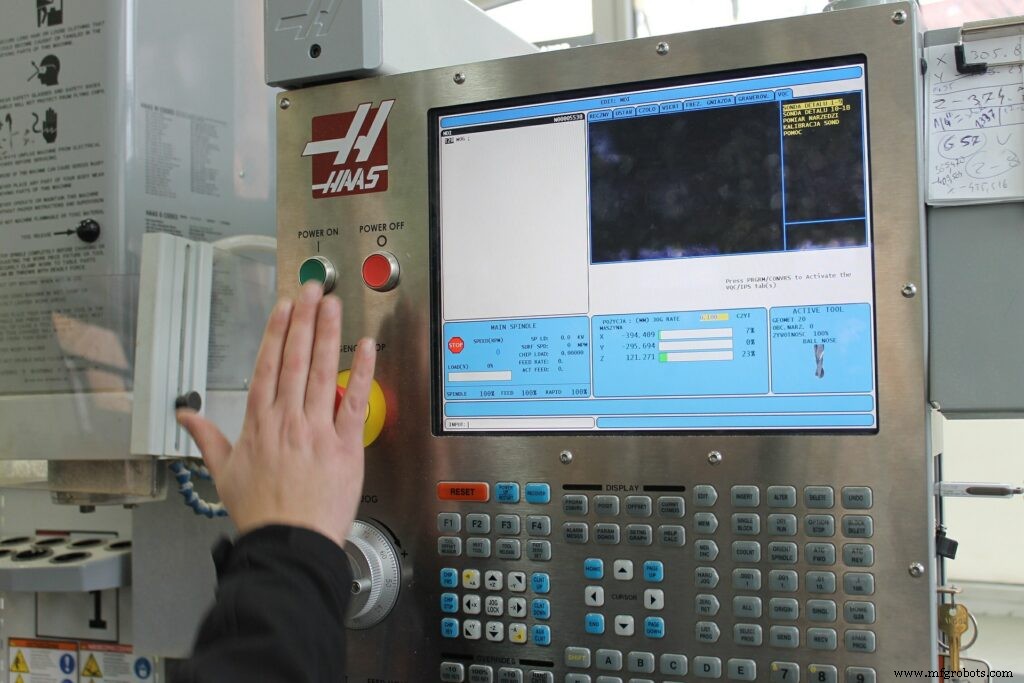
How Industry 4.0 Is Changing CNC Machining
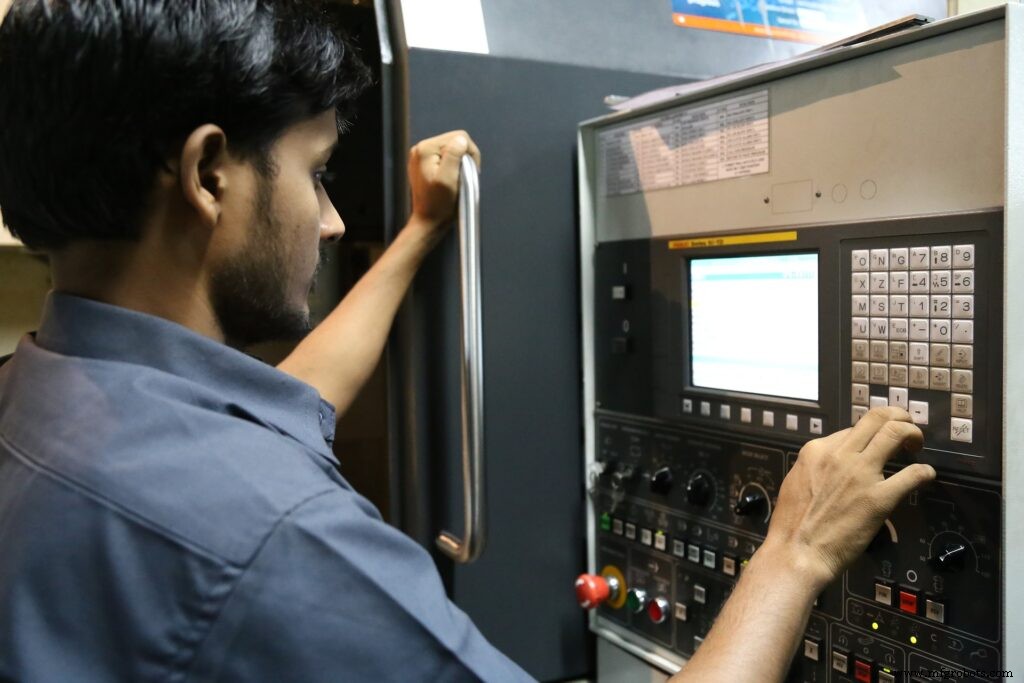
Embracing Industry 4.0 at Your CNC Machine Shop
Conclusion
Bring Industry 4.0 to Your Shop
CNC Machine
- Precision CNC Machining for the Semiconductor Industry: Key Insights
- How IoT is Revolutionizing Smart Factory Operations
- Precision CNC Machining in Modern Smartphone Production
- Prototype CNC Machining: Efficient Small-Batch Production for Industrial Innovation
- Understanding CNC Axis: How 3‑, 4‑, and 5‑Axis Machines Drive Precision Manufacturing
- Top CNC Machining Applications Transforming Medical Device Production
- Impact of Industry 4.0 on CNC Machining: Opportunities & Challenges
- Understanding 5‑Axis CNC Machining: Advanced Precision for Complex Parts
- Understanding Precision in CNC Machining: Key Concepts Explained
- Expert CNC Precision Machining for Telecom Components