



Essential Plasma Cutting Tips for DIY Crafters: 7 Expert Guidelines
Plasma cutting is a cornerstone of modern welding, offering unparalleled speed and precision for both industrial applications and creative DIY projects.
It is widely regarded as the go‑to tool for cutting a variety of metals—including steel, copper, and aluminum—without the need for pre‑heat or extensive setup. The result is a clean cut with a narrow heat‑affected zone, reducing distortion and improving finish quality.
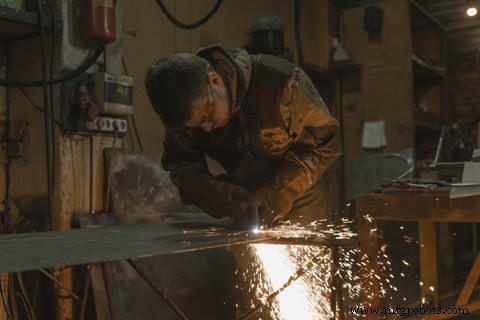
While home décor and furnishings often dominate the DIY mindset, the versatility of a plasma cutter extends far beyond interior design. Whether you’re crafting custom metal furniture, building a backyard grill, or constructing a decorative gate, mastering the fundamentals of plasma cutting can elevate your projects from amateur to professional.
Safety is paramount. Before you even consider turning on the machine, invest in proper protective gear and read the user manual thoroughly. According to the American Welding Society, plasma cutters can produce heat signatures that exceed 5,000°F, making eye protection and heat‑resistant clothing essential.
Explore the best electrical equipment and products at the electronic components shop.
How to Get the Most out of Your Plasma Cutter?
Plasma cutters can handle a wide range of conductive materials with remarkable speed and accuracy. Unlike oxy‑fuel cutting, plasma technology eliminates the need for pre‑heat, delivers a tighter kerf, and produces a smaller heat‑affected zone—minimizing warping and distortion.
Here are seven safety‑first, performance‑boosting tips that every DIY crafter should know:
-
Read the Manual Thoroughly
Begin with a careful review of the manufacturer’s manual. Understanding the specific operating parameters—such as recommended amperage, pulse settings, and maintenance schedules—ensures you maximize performance while keeping the equipment safe.
-
Equip Yourself with Proper Safety Gear
Protective gear is non‑negotiable. A plasma helmet with a movable face shield, high‑quality goggles, heat‑resistant gloves, flame‑resistant clothing, and sturdy boots form the first line of defense against intense heat, sparks, and radiation.
-
Trace the Path Before Cutting
Marking your cutting line in advance reduces the likelihood of stray sparks and ensures a smoother, more consistent cut—especially important for deep cuts or complex shapes.
-
Pay Close Attention to Setup
Secure the ground clamp to clean metal only. Remove rust, paint, or any contaminants that could impede electrical flow. Position the clamp as close to the cut as possible—ideally on the workpiece itself—to maintain optimal current density.
-
Know Your Thickness and Angle
Thin metals (≤¼ inch) can be cut at a 90‑degree angle to the surface. For thicker material, begin at a 45‑degree angle to avoid back‑sparking, then rotate the torch to 90° once the initial penetration is achieved.
-
Control Travel Speed
Speed affects cut quality: a faster traverse yields a smoother finish on aluminum, while slower speeds are preferable for thicker steel to prevent burn‑through. Adjust amperage and tip size accordingly to maintain a clean kerf.
-
Inspect Consumables Regularly
Worn or damaged electrodes and tip holes compromise cut integrity. Replace any tip that becomes uneven or pitted, and swap electrodes when they show signs of erosion or splatter buildup.
CNC Machine
- How to Care for Titanium Pans: Expert Tips for Longevity and Performance
- Choosing the Right Air Compressor for Plasma Cutting: Size, Power, and Expert Tips
- Comprehensive Guide to Plasma Cutting Technology
- Proven Tips for Maintaining Your Plasma Cutter: Extend Life & Performance
- CNC Plasma Cutters: Applications and Benefits in Modern Fabrication
- Six Proven Strategies for Accelerated Roughing & Tool Life
- Top 3 Thermal Cutting Tools for Precision Metal Work
- How to Choose the Right Waterjet Cutting Company: Expert Tips
- Laser vs. Plasma Cutting: Choosing the Right Metal Cutting Technology
- Portable vs. Robotic Plasma Cutters: Which Is Right for Your Business?