



The Definitive Guide to CNC Plasma Cutting Software: Features, Workflow, and Best Picks
Plasma, the fourth state of matter, is a high‑energy ionized gas generated by heating a conductive gas with an electric arc. Its intense temperature and focused beam make it ideal for cutting the toughest metals, from steel to stainless steel. CNC machines are specifically designed to harness this power with precision.
CNC Plasma Cutting Range
CNC plasma cutters use a programmable torch that follows G‑code instructions. They can handle a wide range of conductive materials—copper, brass, steel, aluminum, and stainless steel—and are widely employed in fabrication shops, automotive repair, construction, and salvage operations. Hobbyists and small workshops also use them for rapid prototyping.
Below we examine the machine itself and the software that drives it.
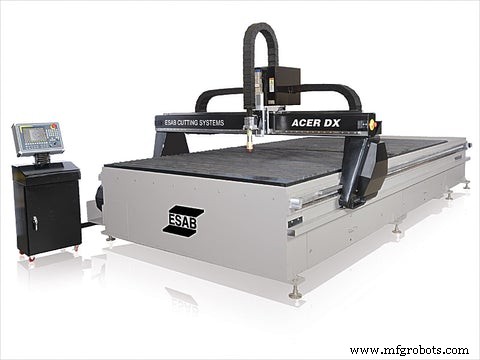
Key Components of a CNC Plasma Cutting Machine
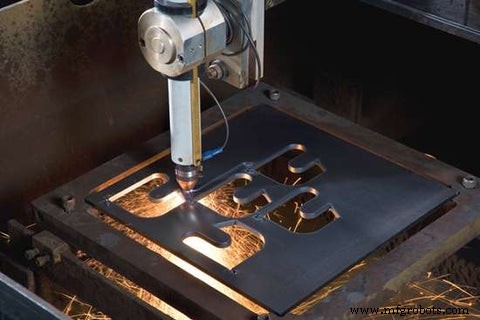
The main subsystems are:
- Control Unit (CNC) – The brain of the operation. It translates CAD/CAM data into machine‑readable G‑codes and M‑codes, schedules toolpaths, and manages all execution tasks.
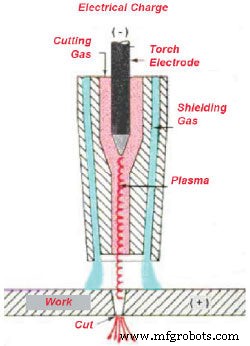
- Plasma Torch – The cutting tool. The CNC controller dictates when the torch ignites, its travel path, speed, and feed rate. The torch uses a conductive gas, a high‑voltage electrode, and a nozzle to form a focused plasma beam.
- Drive System – Motors, amplifiers, encoders, and cables that move the torch along the X, Y, and sometimes Z axes. Each axis typically has a dedicated driver that converts low‑level signals into high‑power motor commands. Encoders provide real‑time feedback for precision.
- Input/Output System – Electrical circuitry that monitors power delivery, torch status, and gas flow, ensuring the torch turns on/off at the correct moments.
How a CNC Plasma Cutter Operates
While the core mechanics mirror any CNC machine, the tool is a plasma torch. The torch’s gas conduit charges with an electrode, creating an ionized plasma channel that focuses into a narrow, high‑temperature beam. The beam melts the metal, and a shielding gas carries away molten slag.
For conductive workpieces, the plasma arc bridges the torch to the metal, instantly melting it. In “pilot arc” mode, the torch can score the surface without full penetration—useful for marking or rapid prototyping.
Essential Features of CNC Plasma Cutting Software
Operating a high‑power plasma cutter safely hinges on reliable software. A well‑designed interface not only reduces operator error but also unlocks the machine’s full potential.
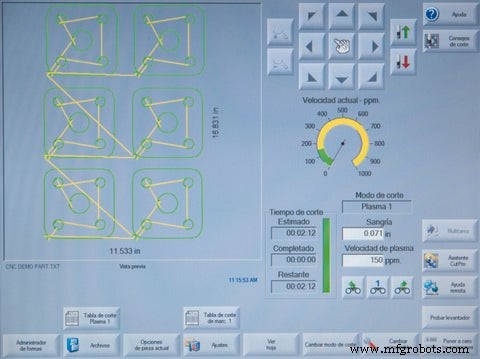
- G‑Code Generator – Most tools include a library of commands and default shapes, but advanced users can import custom DXF files. The generator lets you tweak parameters such as material thickness, amperage, kerf compensation, lead‑in/out, voltage, cutting speed, and torch height.
- Job Console – This GUI loads DNC files and lets you set table limits, sheet size, layout, and cutting sequence. Intuitive controls let operators preview and adjust paths before sending the job to the machine.
- Motion Management – A scheduling engine turns on/off subsystems, enforces table boundaries on the X, Y, and Z axes, and synchronizes toolpaths with machine state.
Choosing the Right Software for Your Operation
Selecting software is more than a feature checklist. Look for an application that:
- Simplifies complex cutting operations through a user‑friendly, graphics‑rich interface.
- Offers comprehensive training, onboarding, and responsive customer support.
- Scales with your budget, production volume, and operator skill level.
Ultimately, the best software aligns with your specific workflow, material mix, and business goals.
Author Peter Jacobs

Peter Jacobs is the Senior Director of Marketing at CNC Masters. He actively manages manufacturing processes and regularly contributes insights on CNC machining, 3D printing, rapid tooling, injection molding, metal casting, and broader manufacturing topics.
CNC Machine
- CNC Prototyping Guide: Precision, Speed, and Cost‑Effective Production
- Quick Guide to CNC Cutting: Evolution, Types, and the Future of Precision Manufacturing
- Comprehensive Guide to CNC Cutting Machines: Types, Benefits, and Applications
- Comprehensive Guide to Plasma Cutting Technology
- CNC Digital Knife Cutting Tools: A Comprehensive Guide for Precision Manufacturing
- CNC Router Glossary: Essential Terms Explained
- Essential Plasma Cutting Safety Guide for Professionals & Hobbyists
- The Definitive Guide to CNC Swiss Machining: Precision, Automation & Market Trends
- Ultimate Guide to CNC Machining Materials: Metals & Plastics
- Master 5‑Axis CNC Machining: Expert Guide for Precision Manufacturing