



Reduce Total Costs of Used Construction & Heavy Equipment with Strategic Rebuild Options
We’ve written several posts in the past answering questions like: When is a machine rebuild a better option than a replacement? When is certified used equipment a better choice? And when it is, How do you evaluate used equipment online? While these posts provide a lot of valuable information to help you better understand the pros and cons of rebuilds and buying used equipment, it got us thinking — we haven’t yet talked about when both options make sense, which is likely the case for many of you out there.
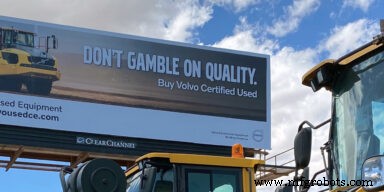
When you’re buying a piece of mining or construction equipment, the total cost of ownership of a used machine can at first seem like a gamble — but it really shouldn’t. At Volvo, for example, our Certified Used Equipment comes with a 140+ point inspection, machines are reconditioned using genuine Volvo parts and components, and customers know exactly what they’re getting. Buying from reputable certified used programs is an important first step because that means you’re essentially getting a work-ready machine at your specific price point — and you’ll be backed by the OEM should issues ever arise.
Purchasing certified used equipment creates the opportunity for a lower acquisition price that takes away the unknown of a used machine. Certified equipment sets a benchmark for overall condition — you’ll have a machine in the same condition as a new one, given current hours. Major components are oil sampled, inspected and tested for performance.
There are ways to get a second or third life out of a good piece of used equipment, making that initial investment a sweeter deal. This can be done by taking advantage of certified rebuild programs. Buying a quality used machine with the intent to rebuild it is smart depending on the type of work you do.
Here are some cases and scenarios where acquiring used or certified equipment would make the most sense for long-term use.
IF YOUR JOB IS PRIMARILY FOCUSED ON PRODUCTION, WITH NO COMPLETION DATE
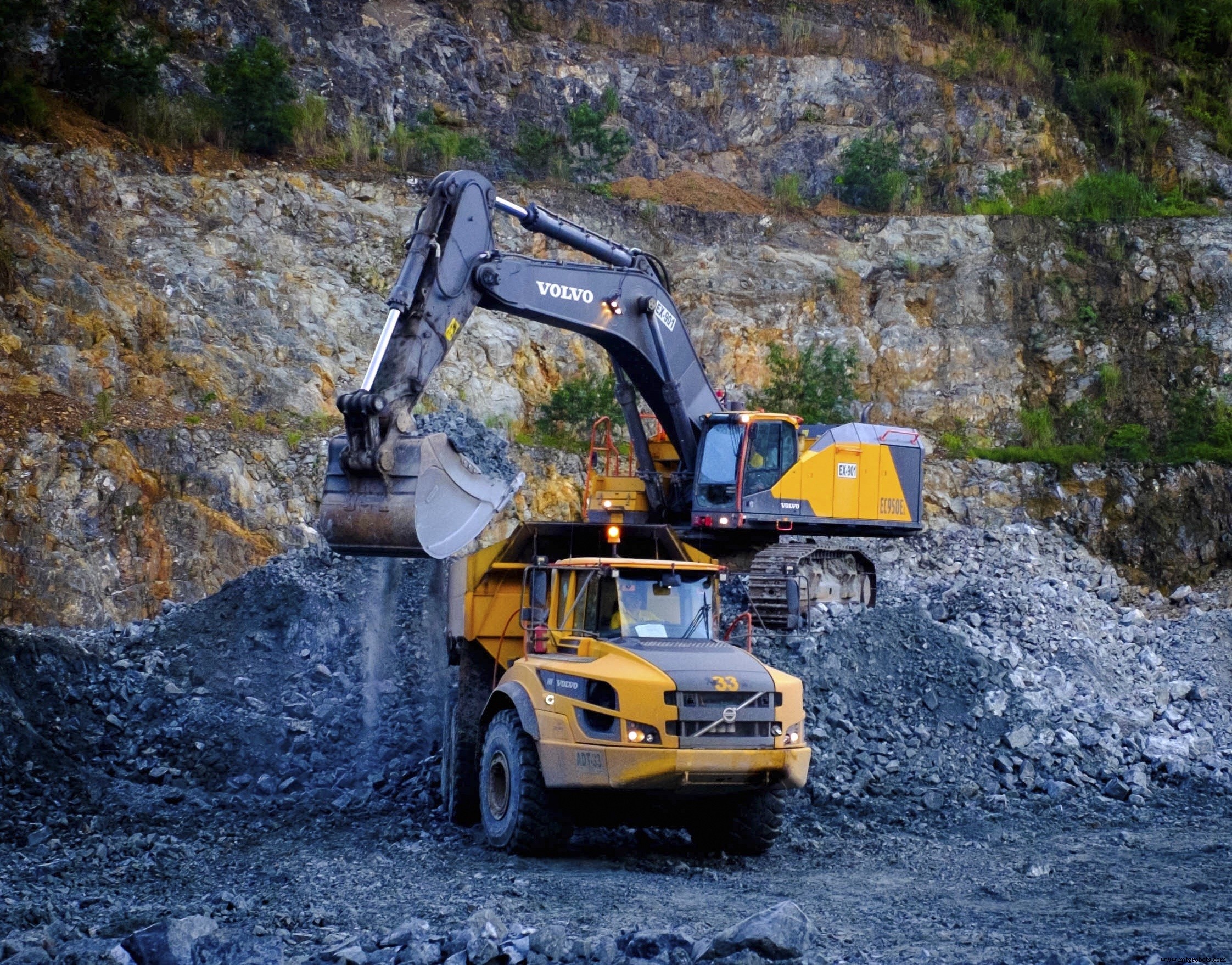
Most construction jobs are required to be completed within an agreed-upon timeframe in the contract. But work done in quarries and mines, for example, is ongoing. Efficient productivity is the key to lowering cost per ton, so purchasing certified used machines upfront makes sense to keep ownership and operating costs down.
The same can be said for machines used to maintain a farm, or those used in extraction or load and carry applications. And as your used machine starts to reach a point where components have exhausted their first life, a certified rebuild can bring your machine back to its full potential at a fraction of the cost of buying new.
You have to keep a close eye on your machine to identify when you start seeing a rise in parts consumption before it gets out of hand — that’s your sweet spot for rebuilding a machine. And at that point you should look at your budget and what you’re willing to risk to determine what the right time is for your specific situation.
You’ll then have the opportunity to plan for the downtime to rebuild it (winter is usually best if the timing works out). Most dealers have a well-established rental fleet and the capacity to offer loaner machines if needed. The best scenario, though, is when you and your dealer can work together to effectively plan the downtime. Construction equipment rebuilds are generally completed in the 60- to 90-day range, and once you have your machine back up and running, you can expect it to get the work done without excessive downtime.
IF YOU DON’T PUT AN EMPHASIS ON RESALE VALUE
For short-run construction jobs, resale value can be instrumental to lowering the total cost of ownership (TCO) of a machine. But for some contractors and owners, resale value isn’t a primary factor. This might be true for production-focused jobs with no contract end date, or customers simply looking to squeeze every useable hour out of a machine until there’s nothing left. If that’s the case for you, used machines are ideal investments if you’re assured that the machine is in excellent working condition. Then as the machine hours tick up into the 12,000+ range, you can start looking at programs to refurb the machine to get it back in prime working condition to lower that machine’s TCO even further.
IF THE USED MACHINES HAVE A HISTORY OF OIL SAMPLES
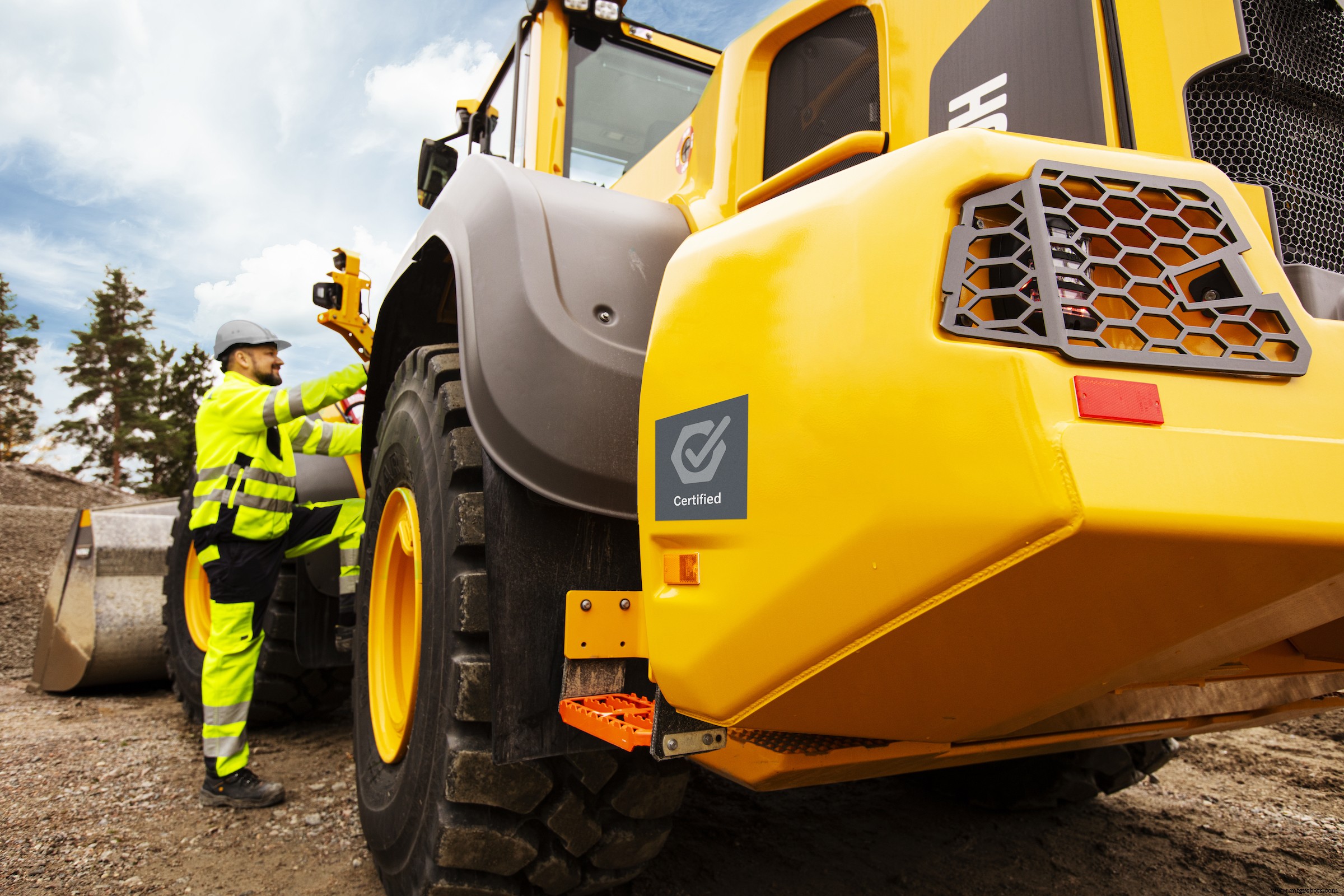
When you purchase a used machine, be sure you get the history of oil samples taken. That allows you to establish a benchmark of where your machine is in its lifecycle. Having an oil sample history is in some ways like having a machine that was purchased new — you know everything about the machine’s history, and you can make better-informed decisions about a rebuild when the time comes to get a second or even third life out of it.
A typical rebuild for a piece of construction equipment occurs around the 12,000- to 15,000-hour mark. And when you look at rebuild estimates, you should be targeting to stay under 60-65% of the cost of a new machine.
IF YOU’RE NOT READY TO INVEST IN TIER 4 MACHINES
A lot of contractors aren’t ready to invest in Tier 4 machines, whether they’re not yet comfortable with the idea of running DEF through an engine or simply prefer the equipment they’ve been running for years. In these instances, many used equipment sites offer older tier machines, and to get the most out of the investment, certified rebuilds can keep them running longer and more efficiently to cut down on operating costs long term.
If you think you’ll eventually turn to models built for new emission standards, certified rebuilds are a great way to buy some time before you make the switch.
IF YOU WANT TO KEEP YOUR OPERATORS IN MACHINES THEY KNOW AND LOVE
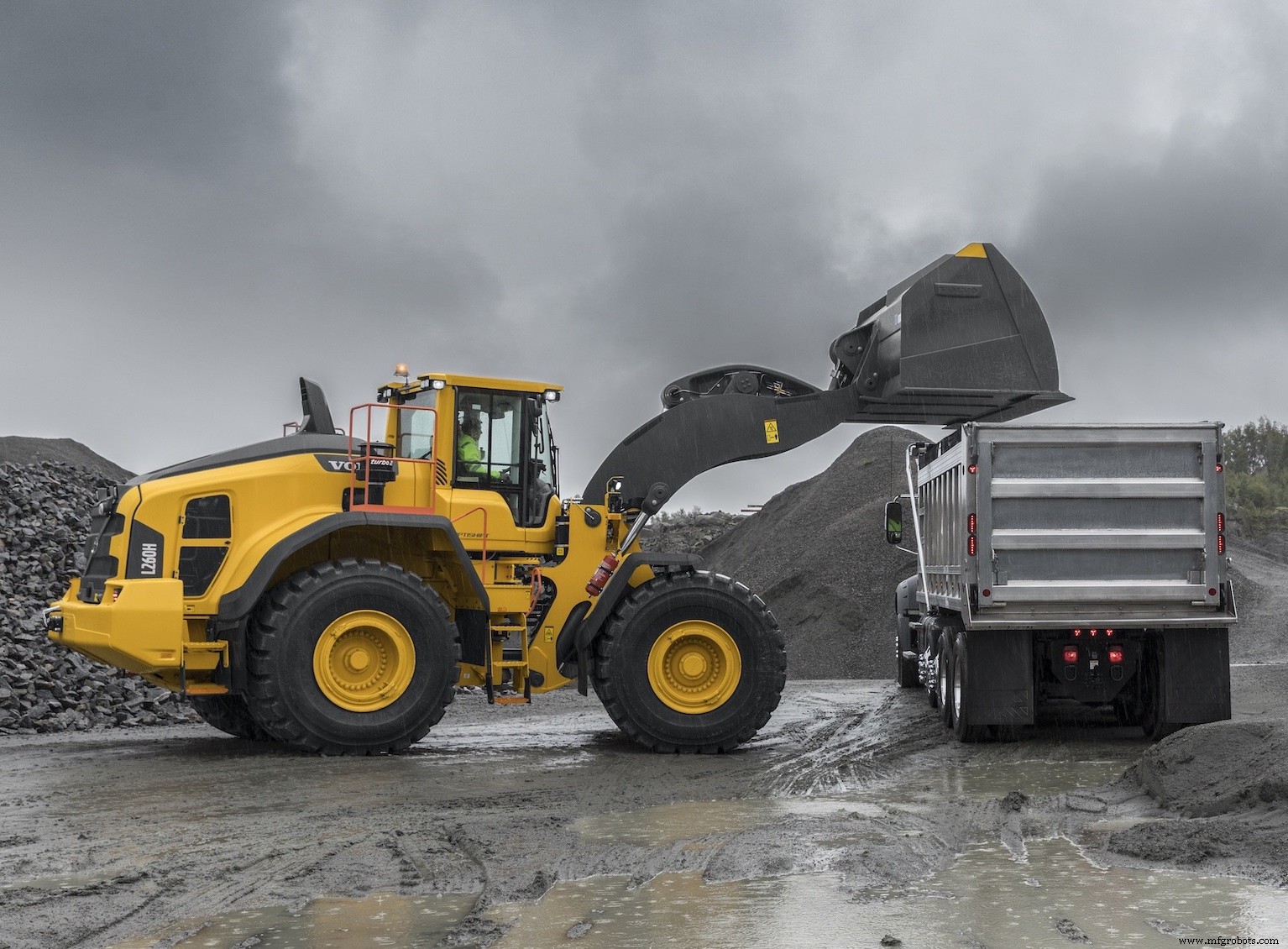
A lot of it comes also down to the intangibles like operators. Are they productive in the machine? Do they like it? Are they familiar with it? For operators who know how to run certain machines — and for techs who know how to easily maintain them — certified rebuilds allow owners to invest back into familiar machines to keep the crew more productive. And once the machine has reached its full life, replacing it with a piece of certified used equipment can essentially restart the process, all at a lower cost than buying new.
LEARN MORE ABOUT VOLVO’S CERTIFIED USED EQUIPMENT
You can talk more with our Volvo Certified Used Equipment experts firsthand to understand the value of certified used construction equipment for your specific needs, then learn more about the Volvo Certified New Life Program to extend your machine’s life and get the most out of your investment.
Should I Rebuild my Machine or Replace it? — Your Questions Answered
I’ve talked to a lot of contractors who had machines approaching the end of their first life and discussed with ...Read More
How to Evaluate Used Equipment Online
Some of you may be apprehensive about buying construction equipment during COVID-19 — and that’s understandable. The desire to avoid ...Read More
By Jared Haughton and Hilton Wood.
Industrial equipment
- Protecting Lives on Construction Sites: Understanding the Risks of Heavy Equipment
- Avoid Costly Repairs—Properly Winterize Your Heavy Equipment Today
- Volvo ECR25 Electric Excavator & L25 Loader Tested by Industry Experts at Utility Expo 2021
- Revolutionizing Construction & Mining: Electric & Autonomous Heavy Equipment
- Mastering Total Cost of Ownership in Used Equipment Purchases
- 5 Essential Safety Practices for Heavy Equipment Operators
- Avoid the 7 Common Mistakes When Buying New or Used Machinery
- Accurately Valuing Used Heavy Equipment for Buyers & Sellers
- Top 4 Causes of Heavy Equipment Breakdown and How to Prevent Them
- Reduce Fabrication Project Costs Without Compromising Quality