



Industrial Vacuum Systems: Types, Benefits, and Applications
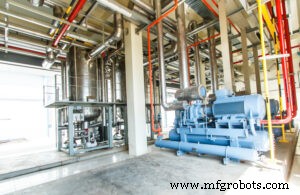
Industrial vacuum systems offer a wide range of benefits for businesses and industries. They can help increase efficiency, save money, and improve safety.
These systems are used in various settings, including manufacturing, processing, and packaging. They can be used to evacuate air and gas from tanks, pipes, and other vessels. Industrial vacuums can also improve the efficiency of the process and improve safety.
In this article, we will discuss the benefits of investing in industrial vacuum systems and the different types that are currently available.
Advantages of Industrial Vacuum Equipment
There are many advantages to using industrial vacuum equipment. Here are some of the most notable benefits:
Customization Capabilities
One of the main advantages of industrial vacuums is that they can be customized to suit your business’s specific needs and environment. That means you can get a system that is specifically designed to meet your company’s unique needs.
For example, you can choose a system designed for use in a dusty environment or one specifically designed to handle hazardous materials.
Additionally, different tools like nozzles and hoses can be installed on the vacuum system to further customize it for your company’s specific needs.
Durability and Longevity
Another big advantage of industrial vacuums is that they are designed to last. These systems are designed for heavy-duty use and can withstand years of use. You won’t have to replace your system as often, saving you money in the long run.
Industrial vacuum systems are built to handle tough conditions and demanding applications. That means they are a wise investment for industries that need a durable and long-lasting solution.
Ease of Use and Maintenance
Industrial vacuums are easy to operate and require minimal maintenance. That means you won’t have to spend a lot of time training employees on using the system. Additionally, you won’t have to spend a lot of time or money maintaining the system.
The vacuum system will come with clear instructions on how to operate it. The equipment will only require regular cleaning and servicing to keep it running properly. Internal components are also designed to be easily maintained and replaced if needed.
High Performance
Industrial vacuums offer high performance. They are designed to work quickly and efficiently. That means you won’t have to wait for the system to do its job. You can get back to work quickly and finish the job at hand. They can also handle high volumes of material quickly and efficiently.
These systems can completely pull dust, debris, and other contaminants from the work area to contained units for efficient disposal.
Limited Cross-Contamination
An industrial vacuum system can all minimize combat risks, cross-contamination, and health hazards. Industrial vacuums can effectively remove debris to help you minimize the risk of cross-contamination, unplanned mixtures, and dangerous working conditions like fires or explosions.
Vacuum systems also ensure that specific contaminants such as asbestos fibers are properly contained to protect workers’ health and contaminate production materials or products.
Made of Quality Components
Industrial vacuums are designed, built, and powered by many high-quality components. That means the system will withstand years of constant use without the risk of breaking down.
Components like hoses are reinforced to prevent tearing, motors are made for long-term use, and certain parts are capable of minimizing friction or static buildup. You can count on an industrial vacuum to get the job done right, provided it’s well-maintained and properly managed.
Different Types of Industrial Vacuum Systems
There are many different types of industrial vacuum systems available on the market. That means you can find a system specifically designed for your industry’s needs.
However, they are often divided into two major categories: medical vacuum pump systems and industrial vacuum pump systems.
Medical Vacuum Pump Systems
Medical vacuum pump systems are designed for use in hospitals and other healthcare settings. These systems are typically oil-free and used to pump oxygen or other gases.
There are three main types of medical vacuum pump systems: oil-free claw, lubricated vane, and oil-less vane.
- Oil-Free Claw: Oil-free claw medical vacuum pump systems are designed for use in oxygen concentrators. These systems are quiet and have a small footprint.
- Lubricated Vane: Lubricated vane medical vacuum pump systems are designed for use in anesthesia machines. Like oil-free claws, these systems are also generally quiet and don’t leave a significant footprint.
- Oil-less Vane: Oil-less vane medical vacuum pump systems are designed for use in suction pumps. These systems don’t require any oil and are designed for durability.
Industrial Vacuum Pump Systems
Industrial vacuum pump systems are designed for use in various industries, including the food and beverage, manufacturing, and semiconductor industries.
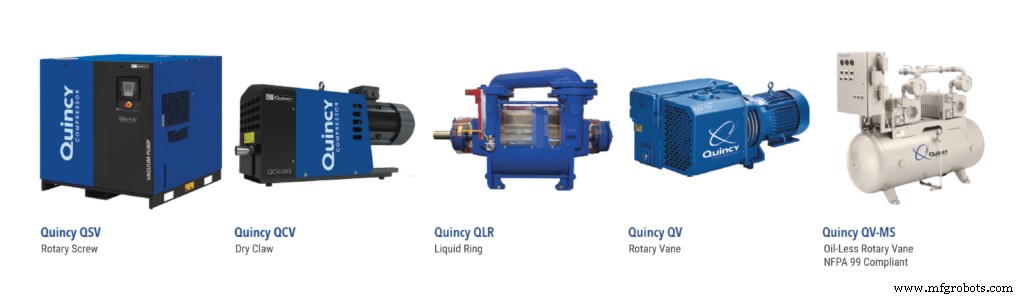
These systems are generally built for durability and extensive industrial use. They are available in a variety of sizes and have seven main types of vacuum pump systems:
- Rotary Screw: Rotary screw industrial vacuum pump systems are commonly used in the food and beverage industry. They are designed for use with various materials, including powders, liquids, and solids.
- Lubricated Rotary Vane: Lubricated rotary vane industrial vacuum pump systems are commonly used in manufacturing. They are designed for use with various materials, including liquids and solids.
- Claw: Claw industrial vacuum pump systems are commonly used in semiconductor. They are specifically designed for wafer transfer, cleaning, and drying applications.
- Liquid Ring: Liquid ring industrial vacuum pump systems are commonly used in the chemical industry. Applications like distillation, dehydration, and evaporation utilize liquid ring systems.
- Rotary Vane: Rotary vane industrial vacuum pump systems are commonly used in the pharmaceutical and food industries. These systems are designed for use with various materials like liquids, solids, and sludges.
- Rotary Piston: Rotary piston industrial vacuum pump systems are commonly used in the aerospace, metal drying, and printing industry. There are used by various industries for applications such as heat treatment, drying, and casting.
- Regenerative Blowers: Regenerative blower industrial vacuum pump systems are commonly used in the paper and textile industry. They are utilized in applications like air knife drying and fiber separation.
- Rotary Lobe: Rotary lobe industrial vacuum pump systems are commonly used in the packaging and plastic industry. They are used as central vacuum systems and are designed for durability. They are used in applications such as material handling and bulk solids conveying.
Invest in Industrial Vacuum Pump Systems
While there are many different types of vacuum systems available on the market, each with its unique benefits and advantages, industrial vacuum pump systems offer several distinct advantages that make them the ideal choice for a wide range of industries.
Investing in industrial vacuum pump systems can help increase productivity, improve safety, and reduce downtime in your facility.
If you’re looking for a versatile, durable, and reliable vacuum pump system for your industrial facility, consider contacting John Henry Foster. We are a leading distributor of industrial compressed air vacuum pumps and medical vacuums.
Contact us today, and our team would be happy to help you choose the right type of industrial vacuum pump equipment for your company.
Industrial equipment
- Flameless Heaters: A Safer, More Efficient Solution for Industrial Jobsites
- Industrial Blenders & Mixers: Types, Benefits & Applications
- Industrial Automation Explained: Types, How It Works, and Key Benefits
- Mastering Vacuum Audits: Why They Matter and How to Execute Them
- Industrial Air Compressors: Types, Benefits & Efficiency Tips
- Industrial Gearboxes Explained: Types, Functions, and Key Applications
- CNC Machines Explained: Types, Components, and Key Advantages
- 2018 Webinar Recap: Boosting Efficiency & Savings with Variable Speed Drive Vacuum Pumps
- Industrial Vacuum Pumps: Types, Uses, and Selection Guide
- Why Hydraulic Systems Are Essential for Modern Engineering