



Gearbox Explained: How It Transforms Power & Torque
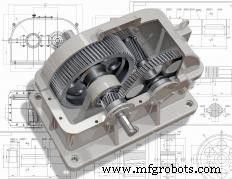
A gearbox is a mechanical method of transferring energy from one device to another and is used to increase torque while reducing speed. Torque is the power generated through the bending or twisting of a solid material. This term is often used interchangeably with transmission.
Located at the junction point of a power shaft, the gearbox is often used to create a right angle change in direction, as is seen in a rotary mower or a helicopter. Each unit is made with a specific purpose in mind, and the gear ratio used is designed to provide the level of force required. This ratio is fixed and cannot be changed once the box is constructed. The only possible modification after the fact is an adjustment that allows the shaft speed to increase, along with a corresponding reduction in torque.
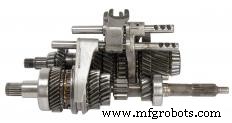
In a situation where multiple speeds are needed, a transmission with multiple gears can be used to increase torque while slowing down the output speed. This design is commonly found in automobile transmissions. The same principle can be used to create an overdrive gear that increases output speed while decreasing torque.
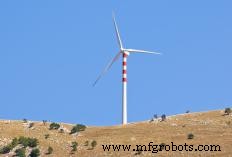
A wind turbine is an example of a very large gearbox. The turbine moves at a slow rate of rotation with a great deal of torque. The transmission translates this power into the faster but lower torque rotational speed of the electricity generator. Due to the sheer size and the amount of power they can generate, wind turbines have multiple gears and stages. This feature is required to ensure that the electricity generator can provide a consistent output even as the turbine rate of rotation fluctuates.

In an automobile, there are three types of transmission: automatic, manual, or continuously variable. A manual transmission vehicle provides the best example of a simple gearbox. In both the automatic and continuously variable transmissions, the gearboxes are closed systems, requiring very little human interaction.
Manual transmission is available in two different systems: sliding mesh and constant mesh. The sliding mesh system uses straight cut spur gears. The gears spin freely and require driver manipulation to synchronize the transition from one speed to another. The driver is responsible for coordinating the engine revolutions to the road speed required. If the transition between gears is not timed correctly, they clash, creating a loud grinding noise as the gear teeth collide.
The constant mesh system has diagonally-cut helical or double helical gear sets that are permanently meshed together. Friction cones or synchronized rings have been added to the gears to create a smoother transition when changing gears. This type of transmission is usually found in racing cars and agricultural equipment.
Industrial equipment
- Understanding Containerization: Efficient Global Shipping & Logistics
- Understanding the Come‑Along: A Compact Hand‑Operated Winch
- Understanding Stainless Steel: Composition, Benefits, and Applications
- Polymer Adhesives: Definition, Properties, and Industrial Applications
- Lye Explained: Uses, Hazards, and Safe Handling
- Breakaway Torque Explained: The Initial Rotational Force
- Articulated Trucks Explained: How They Power Construction and Heavy Transport
- Understanding the Steel Trowel: Design, Uses, and History
- Mandrel Explained: Key Functions in Metalworking and Machine Tools
- Understanding Speed Reducer Gearboxes: Selection, Installation, and Maintenance