



Gas Valves Explained: Types, Functions, and Safety Tips
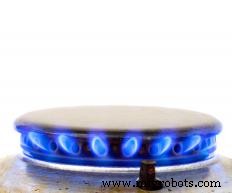
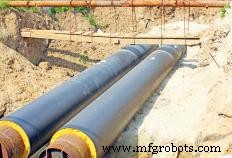
A gas valve is a device used to regulate the flow of gas through a system. Whether it be located on a pipeline or on a storage tank, a gas valve makes it possible to stop the flow or allow the flow of gas past the point of the valve. Typically created from a brass material, the gas valve is designed to not create a spark when turned. There is typically a gas valve on the gas supply line to any appliance as well as on the carburetor of the appliance. When attempting to work on an appliance, it is recommended that the valve on the supply line be turned to the "off" position.
Most gas fittings utilize a counter-clockwise thread. This is reverse of any other fitting. The purpose of this thread design is to ensure that an unsafe gas valve cannot be installed in a gas line. For example, a shutoff valve for water or another substance could be manufactured of steel; this type of valve could spark when turned and cause an explosion if it were installed on a gas line. By using a specific gas-only fitting thread, the potential for this kind of trouble can be eliminated.
When installing any new gas valve or fitting, it is wise to use a bubble test to ensure that no leaks are present. The bubble test is performed by using a mixture of soap and water and applying it to all gas line connections. Any leaking gas will cause a bubble to form in the soapy water. If any bubbles are detected, the fitting must be tightened or redone. Typically, a quality connection will include the use of a Teflon liquid or tape sealant applied to the threads.
Many gas valves used on main supply lines will include a locking lug. The locking lug is a device fashioned into the valve that allows a padlock to be installed. This lock keeps the valve in the closed position until removed by the person who installed it. This is a safety device that is used to prevent tampering or accidental gas flow to an open line, which could result in an explosion or poisoning of people in the vicinity.
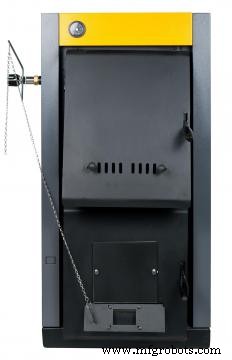
Many gas valve designs used on heaters and furnaces require the user to push the valve down and hold it down in order to ignite the unit. This is another safety feature intended to make it difficult to unintentionally ignite the gas. By creating such safety devices in the gas valve, accidental fires, explosions and deaths can be reduced.
Industrial equipment
- Understanding Angle Valves: Function, Types, and Uses in Plumbing and Industry
- Halon Gas Explained: Types, Uses, and Safety Considerations
- Understanding Drain Valves: Function, Types, and Applications
- Block Valve Explained: Types, Functions & Applications
- Motorized Valves: Precision Control for Large-Scale and Remote Fluid Systems
- Understanding Valves: Types, Functions, and Applications
- What Is a Dump Valve? How They Work and Why They’re Essential
- Understanding Overflow Valves: Purpose, Function, and Safety Benefits
- Biogas Explained: Renewable Energy from Organic Waste
- Understanding Servo Valves: How They Control Fluid Flow