



Metal Fabrication Fundamentals: Processes, Techniques, and Applications
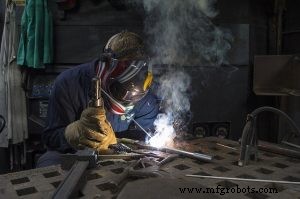
Metals possess distinctive characteristics—hardness, strength, malleability, and ductility—that set them apart from other raw materials. These properties make them indispensable across industries such as aerospace, automotive, construction, and energy. However, to transform raw metal into functional parts, a manufacturing company must engage in metal fabrication.
What Is Metal Fabrication?
Metal fabrication is the suite of techniques used to convert raw metals into finished products, components, or structural assemblies. It blends manual craftsmanship with advanced automation, producing items known as “fabrications.” The process typically follows a workflow: material selection, cutting, shaping, assembly, and finishing.
Cutting Processes
Cutting is the first step in shaping a metal piece. The goal is to separate a workpiece—either partially or completely—into desired shapes. Common cutting methods include:
- Shearing: A high‑speed, straight cut achieved with alligator or bench shears. Ideal for sheet metal.
- Torch Cutting: Oxy‑fuel or plasma torches melt metal along a controlled line, allowing precise cuts on thicker sections.
- Laser Cutting: A focused laser beam offers high precision and minimal heat‑affected zones, suitable for complex geometries.
These techniques are governed by industry standards such as ASTM E21 (Shearing) and ISO 11010 (Laser Cutting).
Bending Processes
Bending reshapes metal without cutting. It is essential for creating angles, curves, and complex geometries. Techniques include:
- Hammer Bending: Hand or powered hammers deform metal by striking it. Powered hammers provide consistent force for larger workpieces.
- Press Brake Bending: A machine‑controlled press applies precise pressure to sheet metal, enabling accurate angles and repeatability.
These methods are commonly used in sheet‑metal fabrication, architectural façades, and automotive panels.
Assembling Processes
Assembly joins multiple metal components into a single structure. Two foundational methods are:
- Welding: Heat fusion melts metal surfaces, creating a strong, permanent bond. Techniques such as MIG, TIG, and spot welding are selected based on material and design requirements.
- Riveting: A rivet—essentially a smooth‑shaft fastener—anchors components without heat. Riveting remains popular in shipbuilding, aircraft frames, and structural steel connections.
Proper surface preparation and adherence to codes like AWS D1.1 (Structural Welding) ensure durability and safety.
By mastering these processes, manufacturers can produce reliable, high‑quality metal products that meet the rigorous demands of modern engineering.
Industrial equipment
- Passivation in Metalworking: A Technical Guide to Corrosion Protection
- Mastering Metal 3D Printing: A Comprehensive Guide
- Mastering Sheet Metal Fabrication: Cutting, Bending, and Advanced Techniques
- Top 5 Benefits of Custom Metal Fabrication
- Advanced Metal Fabrication Techniques: Cutting, Stamping, and Beyond
- Understanding Metal Fabrication: Processes & Applications
- Custom Metal Fabrication: Top Benefits for Your Projects
- Sheet Metal Fabrication Basics: Turning Flat Sheets into Functional Parts
- Comprehensive Overview of Metal Fabrication Techniques
- Mastering Metal Fabrication: The Three Core Processes Explained