



IoT & Home Automation: Shaping the Smart Living of Tomorrow
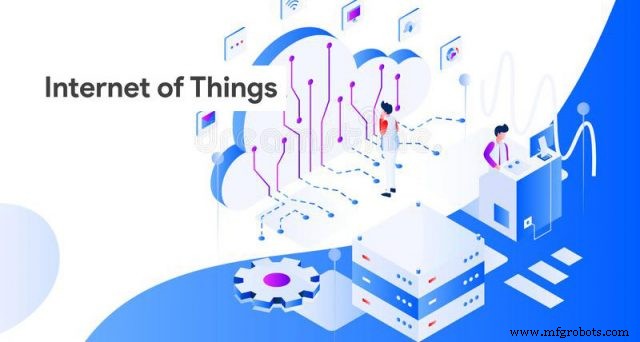
Smart home technology, once a futuristic vision, is steadily integrating into everyday life worldwide. Analysts project the global smart‑home market to reach $40 billion by 2020.
Typical IoT‑powered home functions include:
- Lighting
- Doors
- Windows
- Thermostats
- Gardens
- Daily routines
These interconnected devices simplify multi‑task management, cut energy costs, and save valuable time, says Rushabh Patel, founder and CEO of Siddhi InfoSoft.
The IoT ecosystem now covers thermostats, refrigerators, security systems, and even appliances like dryers and kettles. As technology matures, more devices and smarter features will join the network.
IoT Home Automation – The Rise of Smart Living
To understand the impact, let’s revisit the Internet of Things (IoT). The term describes any technology that connects a device to the internet, enabling data collection, monitoring, and automated control. For example, a smart kettle can automatically shut off at a preset temperature and notify the user via an app.
Scale this concept to an entire home: each device can respond to events, be controlled via a single app, or even by voice. The future lies in homes that anticipate and execute actions without user intervention.
Lighting
Smart lighting today lets you schedule on/off times and dim levels. Tomorrow’s systems will adapt in real time to your activities—dimming when you start a movie or turning off entirely for a horror film to create the right mood.
Doors
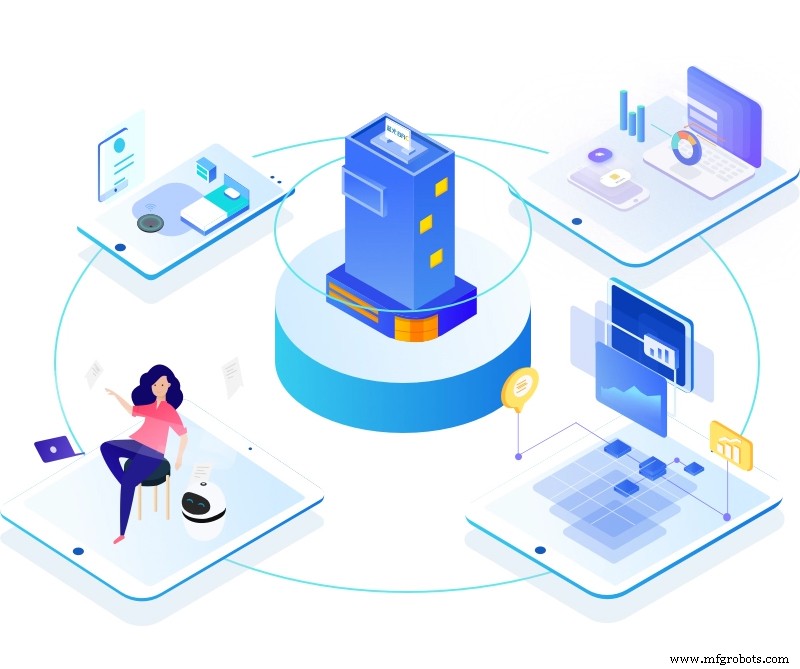
Intelligent doors can open on approach, using proximity sensors or facial recognition. Coupled with the rest of the house, they trigger lights, adjust climate, and notify you as you enter or exit.
Windows
Automated shutters can open with sunrise, close at sunset, or react to weather conditions. Curtains might lower automatically when you watch a film, enhancing the viewing experience.
Thermostat
Remote app control is common, but future thermostats will detect your arrival, evaluate indoor and outdoor temperatures, and pre‑heat or cool the space accordingly. They may also adjust settings based on activities like showering or exercising.
Gardens
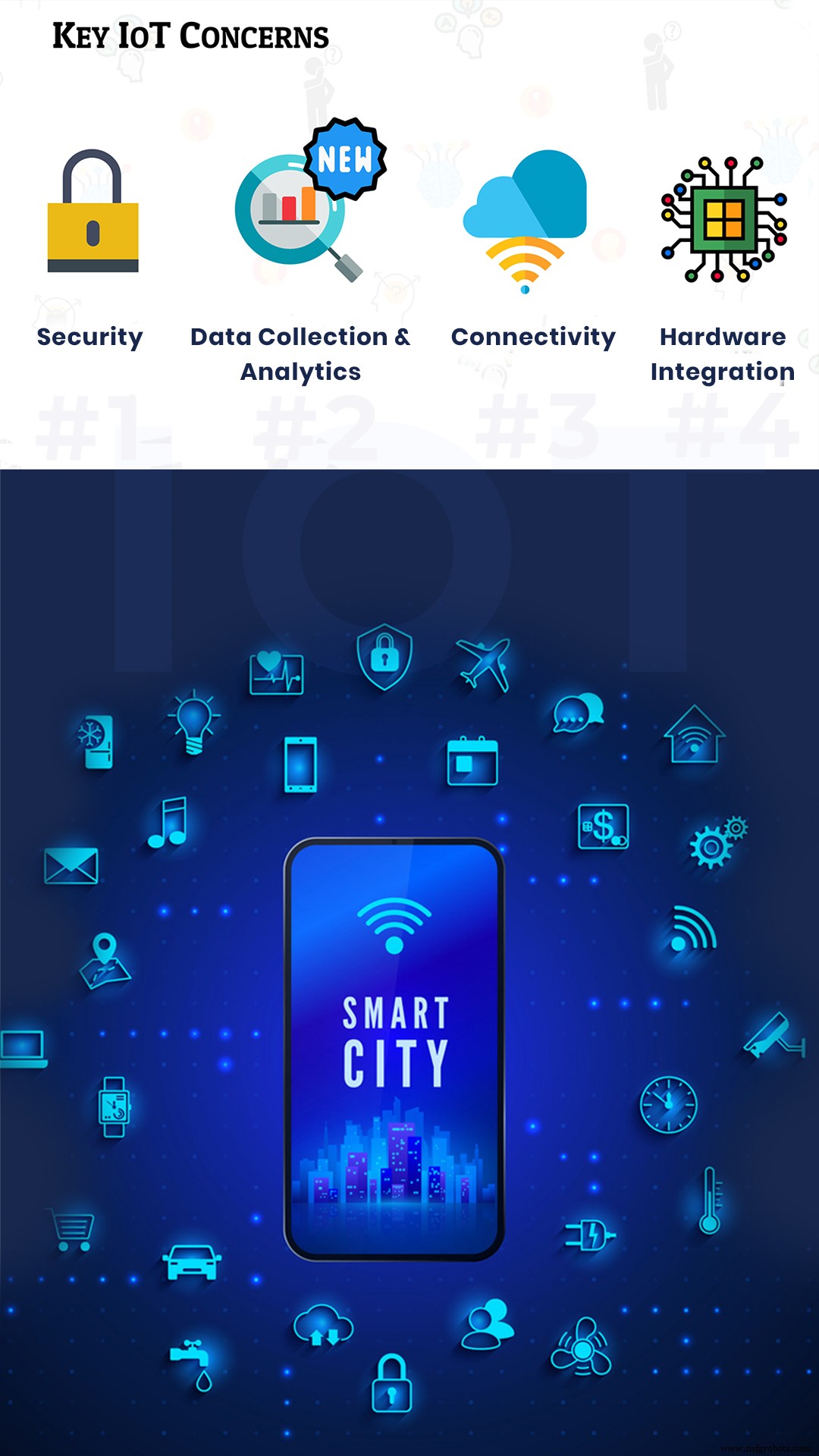
IoT sensors will monitor soil moisture, triggering irrigation when needed. Robotic mowers can be dispatched automatically once grass reaches a set height, keeping gardens pristine with minimal effort.
Home Routines
Smart sockets can automate device on/off cycles, while alarms can play personalized music or news. Voice assistants already coordinate lights, appliances, and climate. In the future, entire morning routines could unfold without a single touch: blinds open, coffee brews, shower water warms, music starts, and the TV pulls up your favorite news channel—all before you even wake up.
Widespread adoption faces hurdles: upfront costs, privacy concerns, and current technical limitations that prevent seamless inter‑device communication. Addressing these challenges will unlock the full potential of IoT‑powered homes.
To learn more about Siddhi InfoSoft, click here.
Author: Rushabh Patel, Founder & CEO of Siddhi InfoSoft
About the Author
Rushabh Patel leads Siddhi InfoSoft, a top Indian web and app development firm specializing in iOS, Android, and full‑stack solutions.
Internet of Things Technology
- How IoT is Driving the Next Generation of Manufacturing
- How IoT Is Transforming Home Water Management
- How IoT and Cloud Computing Shape the Future of Enterprise Data
- The Future of Robotic Welding: Innovations, Opportunities, and Industry Impact
- IoT in Smart Cities: Shaping Tomorrow’s Urban Landscape
- 2020 Supply Chain: Future Trends Revealed by Industry Leaders
- How Automation Shapes the Future Amid Crisis: Innovation & Opportunities
- The Future of Predictive Maintenance: Trends, Challenges, and Opportunities
- How Automation is Shaping the Future of Digital Manufacturing
- Future Trends in Printed Circuit Boards: Innovations and Applications