



Geo‑IoT: How Asset Tracking Transforms Business – Lessons from 67 Industry Leaders
During the Industry of Things World in Berlin, Bosch.IO’s team presented cutting‑edge Industry 4.0 solutions and hosted a workshop led by Dr. Daniel Hug, renowned expert in lean production. The session explored how geo‑IoT is reshaping asset tracking across sectors.
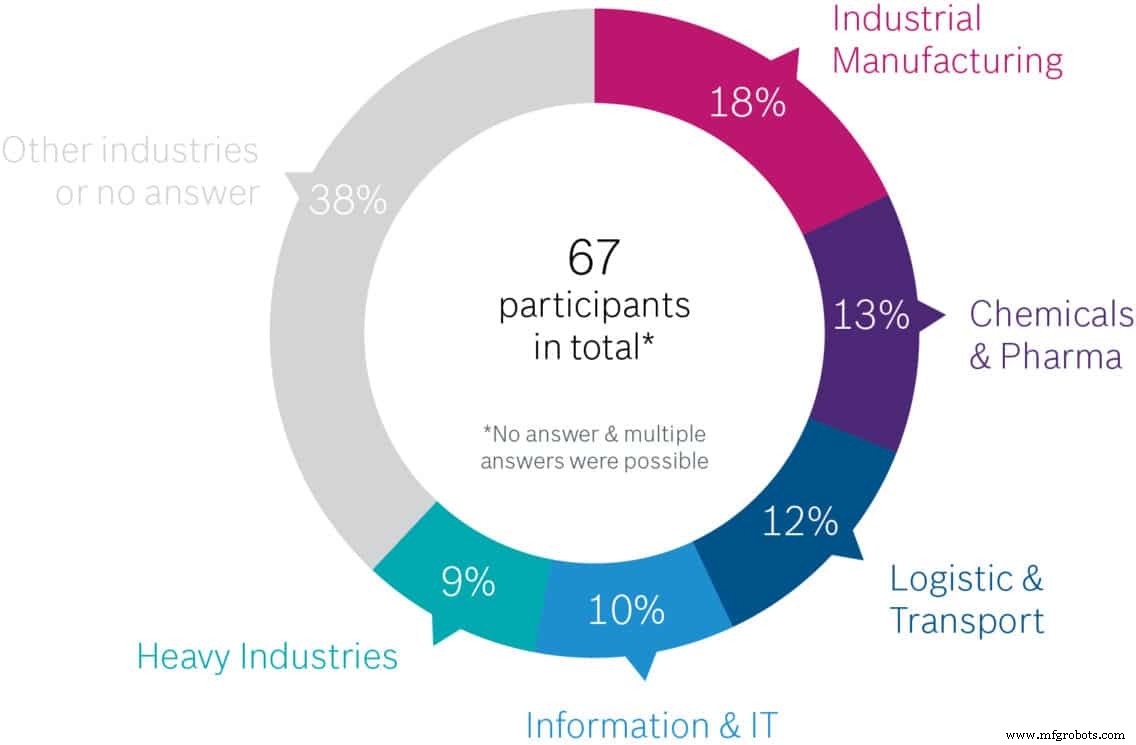
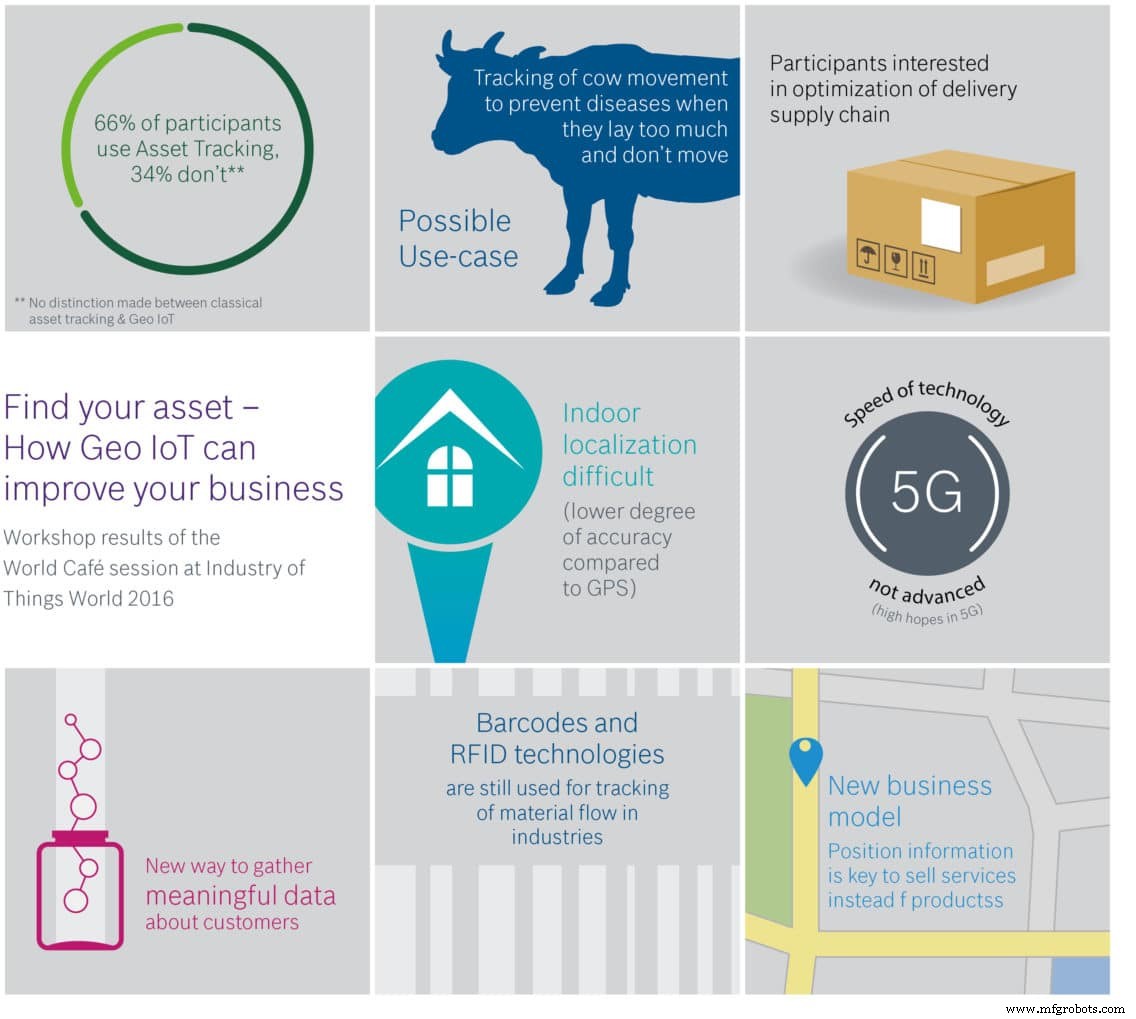
In a series of five 30‑minute World Café sessions, 67 participants—12 from industrial manufacturing, 9 from chemicals & pharma, and 8 from logistics & transport—shared their experiences and expectations. Six‑sixteen percent had already implemented geo‑IoT or traditional asset‑tracking systems, while 34 % were newcomers to the technology.
What Exactly is Geo‑IoT?
Unlike basic asset tracking, which merely pins an object’s location, geo‑IoT adds contextual intelligence. It tracks not only where an asset is but also how long it remains stationary, whether it’s actively in use, and can trigger alerts or access controls based on movement patterns.
Real‑World Use Cases
Participants highlighted diverse applications:
- Agriculture: GPS‑enabled cattle monitoring improves herd management and health diagnostics.
- Manufacturing: A pump manufacturer pilots GPS tracking during shipment to monitor vibration levels and prevent damage, thereby optimizing the supply chain.
- Chemicals & Pharma: Continuous monitoring of temperature and pressure preserves product integrity and supports predictive maintenance.
- Consumer Goods: An electric‑toothbrush maker used location data to refine marketing strategies and better understand consumer usage patterns.
In the chemicals sector, real‑time transport conditions are critical—extreme temperatures can compromise product efficacy. By correlating sensor data with transport routes, companies can anticipate and mitigate damage, paving the way for proactive maintenance services.
Key Advantages
Beyond cost savings and maintenance optimization, geo‑IoT offers:
- Enhanced customer insight by revealing how products are used in the field.
- Improved supply‑chain visibility, enabling faster response to disruptions.
- New revenue streams through service‑based business models driven by positional data.
Challenges and the Road Ahead
Participants identified several hurdles:
- Indoor Localization: GPS struggles indoors; existing indoor positioning solutions are often expensive or lack the required precision.
- Cost vs. Benefit: High‑accuracy mapping and advanced sensor suites may exceed budget thresholds, especially for smaller firms.
- Legal & Privacy: Tracking people raises regulatory concerns that must be addressed before widespread adoption.
- 5G promises higher data rates and reliability, potentially unlocking real‑time tracking for complex logistics scenarios.
Three Take‑Aways
- Localization technology is pivotal for the IoT‑driven transformation of business models; positional data enables “product‑as‑a‑service” offerings.
- In industrial settings, barcodes and RFID will likely remain the primary means of tracking material flow, especially when cost constraints dominate.
- There is no universal solution—geo‑IoT success depends on tailoring technology to specific use cases and investment appetite.
Source: Bosch.IO
Internet of Things Technology
- 7 Key Success Factors for Maximizing Value in Geo‑IoT Projects
- Unlocking IoT Data: How Business Rules Management Drives Enterprise Value
- Essential Lessons from Validating IoT Business Models
- How IoT is Revolutionizing Asset Management Solutions
- How IoT Will Transform Your Business
- How Bright Bars Drive Efficiency and Profitability in the Industrial Sector
- Strategic IoT Integration: A Proven Path to Business Growth
- Harnessing IoT to Protect the Planet: Proven Success Stories
- Harnessing IoT to Transform Logistics: Boosting Efficiency and Asset Management
- Harnessing IoT for Smarter, More Efficient Supply Chain Management