



Advanced 3D Printing Techniques for Electrostatic Discharge (ESD) Safe Products
Electrostatic discharge is a common phenomenon in nature. It can be provoked by an electrical short (short circuit), a dielectric breakdown, or when contact occurs between two electrically charged objects (static electricity), resulting in a sudden and short flow of electric current. ESD is commonly generated in two ways. One of them is tribocharging, which occurs when two materials are joined and then separated, resulting in a difference of electrical potential. The other reason for ESD events to occur is electrostatic induction. It occurs when an electrically charged object is near a conductive object not in contact with the ground.
Video 1. Electrostatic discharge risks in aviation. Source: Aircraft Science.
Everyone has experienced an ESD event at some point in their lives. There are numerous everyday life examples of ESD, including lightning, hair static caused by nylon/woolen clothes, a plastic comb or a slide, styrofoam sticking to the skin, the dust gathering on the TV screen seconds after it was cleaned, the famous “spark” or “kick” when touching a doorknob or another person.
Risks associated with ESD
ESD events are mostly harmless, although annoying, to humans. Static electricity can also be a very useful phenomenon. Technologies based on static electricity are used in photocopiers, electrostatic precipitators in air purifiers, electrostatic spray painting, or dryer sheets/dryer balls. However, in certain contexts, ESD can be very dangerous and have dire consequences, especially in manufacturing or high risk industries.
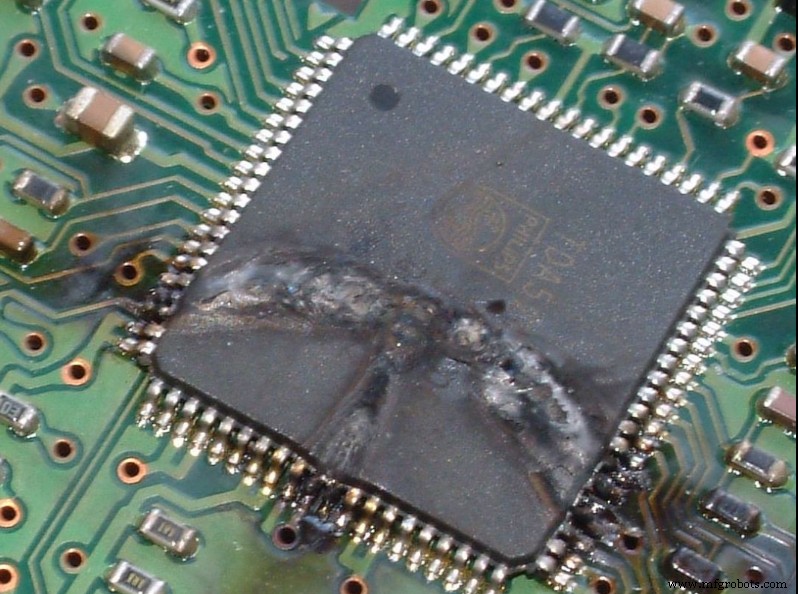
Image 1. The serious consequences of an ESD event on a motherboard. Source: Techno FAQ.
ESD is very threatening to sensitive electronics, especially integrated circuits and microchips. They can be permanently damaged (catastrophic or latent damage) when a high voltage current passes through them. This can happen in three ways:
-
HBM (Human Body Model) - human body transfers an electrostatic charge to a device.
-
MM (Machine Model) - a charged conductive object, such as a metallic tool or fixture, transfers an electrostatic charge.
-
CDM (Charged Device Model) - occurs when an electrostatic charge is transferred through packaging or a work surface.
Electrostatic discharge is also extremely dangerous in environments with potentially explosive atmospheres, such as spaces containing gas, fuel vapor, coal dust or even flour dust.
ESD prevention
ESD prevention is of utmost importance on manufacturing floors, shipment centers, or in spaces with flammable and explosive atmospheres.
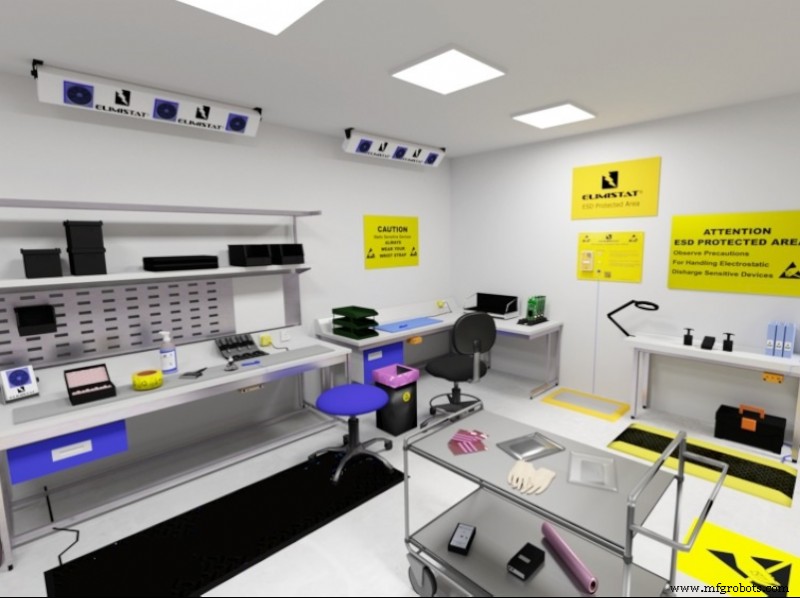
Image 2. An ESD-safe workspace. Source: Safety Working TECH.
There are many antistatic materials, substances and devices elaborated and manufactured especially for the purpose of protecting people and devices from the consequences of electrostatic discharge. ESD protection solutions include:
-
Chemical agents.
-
Electrical grounding.
-
ESD clothing, antistatic wrist straps, ESD jigs and fixtures.
-
Antistatic bags for the storage and shipment of electronics.
-
Ionizing bars on production lines.
-
ESD office furniture.
-
Clean rooms designed to keep dust, airborne organisms or vaporized particles from getting inside, and prevent viruses, harmful substances or radiation from getting out.
-
Antistatic systems of machines using electron or photoemission to reduce ESD.
Proper ESD security can not only protect device malfunction, but also reduce failure-related financial losses and even save lives.
ESD safety in 3D printing
Subtractive production methods, such as injection molding and CNC machining, have been around for a long time and they are great for large-scale production of standardized tools. But when it comes to producing small quantities of highly customized tools, jigs, or fixtures, additive manufacturing is the best option. The design and making of molds takes a very long time and it does not pay off for producing small quantities of customized tools and fixtures. Furthermore, advanced plastics used in CNC machining are very expensive and often waste away during the machining process. Using 3D printing to make customized specialistic tools, jigs, and fixtures in-house and on demand is a step forward for many businesses as it has many advantages. If the proper material is used, a 3D printed version of a traditional tool or fixture can be stronger, more resistant to corrosion, lighter, and way cheaper and faster to make in-house rather than through external contractors through injection molding or CNC machining. All this grants manufacturers greater flexibility and the possibility to customize the working processes based on the company’s needs. 3D printing takes less time, it is more affordable, and it eliminates material waste since only what is needed is going to be printed.
Video 2. A success case - Mercury Systems start 3D printing ESD safe tools and fixtures. Source: Essentium.
ESD safety is no exception, since 3D printing - the fast adapting discipline that it is - already has a well-tested and reliable solution for making antistatic tools, jigs, and fixtures. ESD safe materials in 3D printing can come in many forms. There are antistatic filaments, pellets, resins, and powders.
Filaments
ESD safe filaments use various technologies to achieve the antistatic properties, the most common ones being carbon black or graphite fillers. The amount of carbon filler in the polymer determines the level of surface resistivity (measured in Ohms) - electrically conducting, dissipative or insulating. Another way to make a material antistatic is to add antistatic coatings or, as is the case of Essentium, a surface layer of conductive nanopolymers to reduce the risk of performance degradation commonly seen with ESD fillers or coatings.


Image 3. A hard disk housing (left) and a conductivity meter 3D printed with the Zortrax-Z ESD V2 PET-based filament. Source: Zortrax.
Almost all polymers commonly used in 3D printing have an ESD safe option. There are antistatic standard plastics (ABS, PLA) and engineering plastics (PA, PET, PCTG), as well as antistatic plastics designed for advanced applications (PEKK, TPU).
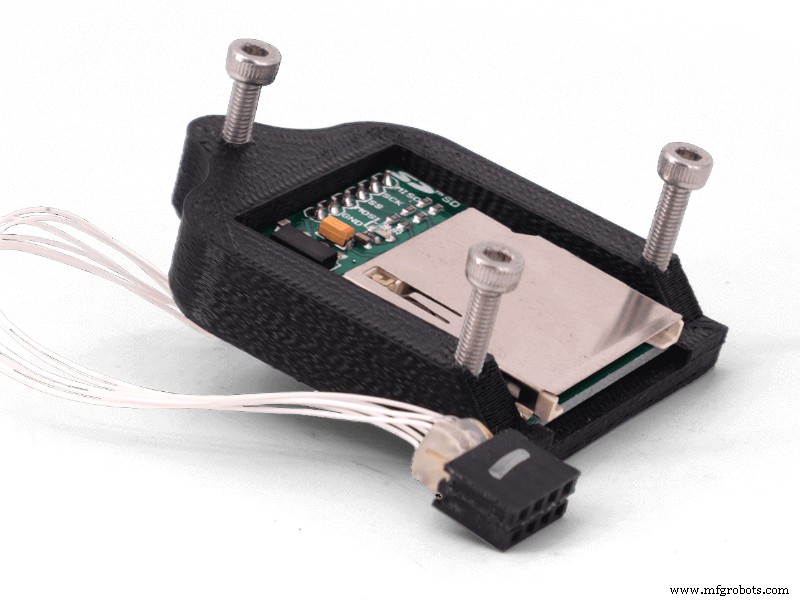
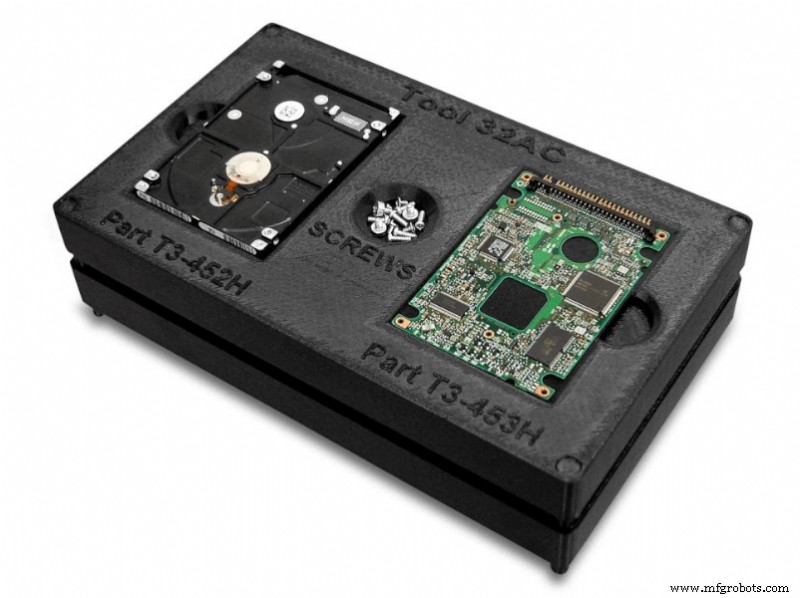
Image 4:Secure electronics enclosures printed with ESD PLA from 3DXTech (left) and ESD ABS from Nanovia (right). Source: Filament2Print.
There are antistatic filaments designed for specific sectors, such as the Essentium TPU 58D-AS from the family of flexible advanced filaments.
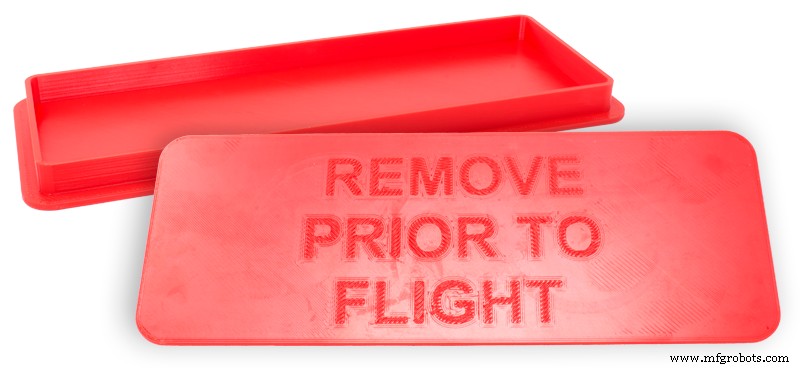
Image 5. Tags 3D printed with TPU 58D-AS. Source: Essentium.
Apart from applications in the aerospace industry, this filament can be used to 3D print abrasion-resistant panel covers, ESD-safe storage boxes or ESD-safe dust caps. Dust and other particles tend to accumulate static electricity and provoke system failure in many electronics factories.
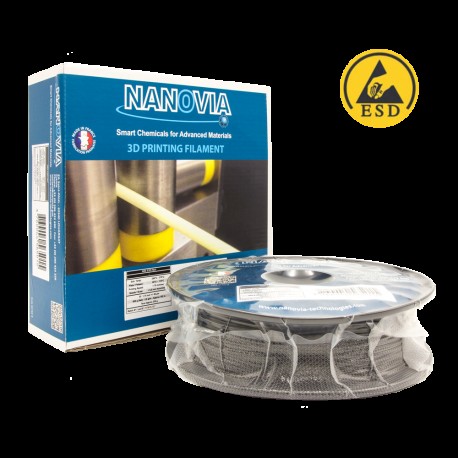 Nanovia ABS ESD
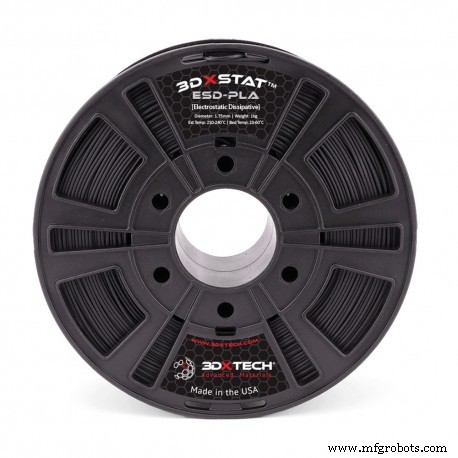 3DXSTAT ESD PLA
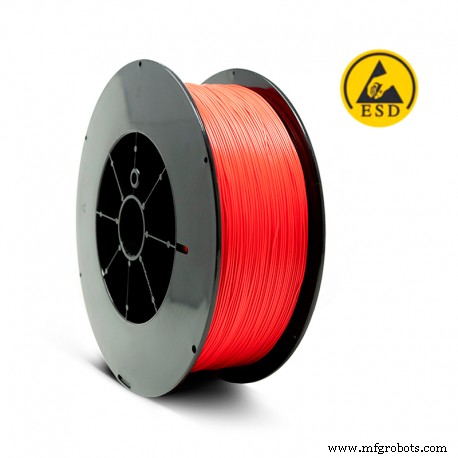 Essentium TPU 58D-AS
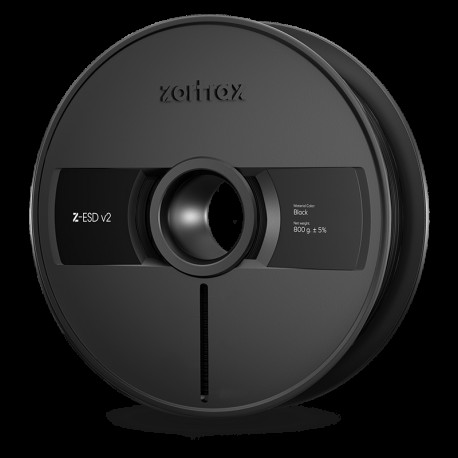 Zortrax Z-ESD V2
Resins and powders
There are also non-filament options for 3D printing ESD safe objects, such as resins for SLA 3D printing, and powders for SLS 3D printing. They all have excellent properties, depending on the plastic and intended applications - ranging from the automotive industry and scientific-technical instrumentation to consumer electronics.
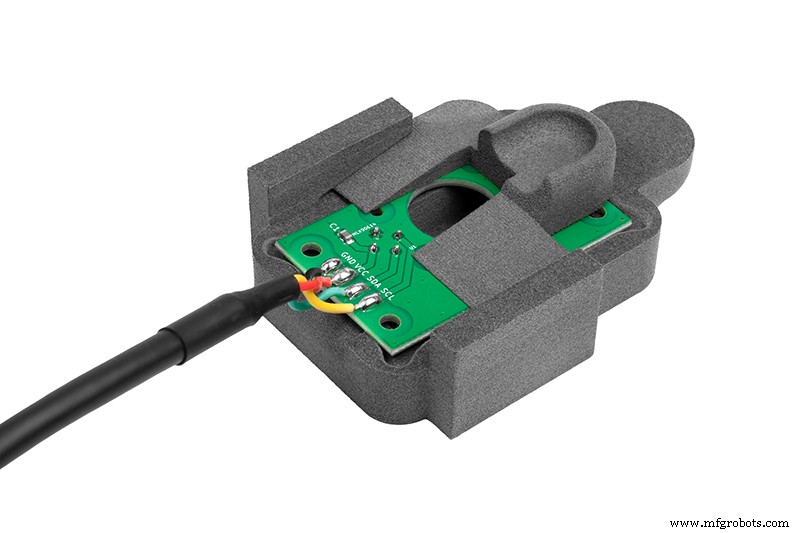
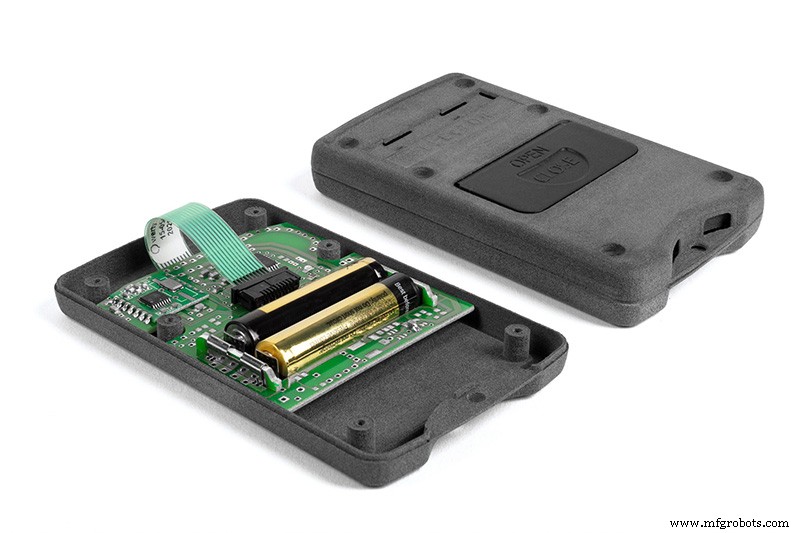
Image 6. 3D printed housings with PA11 ESD by Sinterit. Source: Sinterit.
ESD-safe resins and powders are good for 3D printing antistatic tools, jigs and fixtures for the production, assembly and testing of electronic components, as well as for the production of components for use in explosive atmospheres. Some ESD-safe materials even have dust repelling properties. As mentioned before, dust and other particles tend to accumulate static electricity and increase the risk of ESD events. Since most plastics attract dust and dirt, using an ESD-safe option is much safer in ESD-sensitive environments.
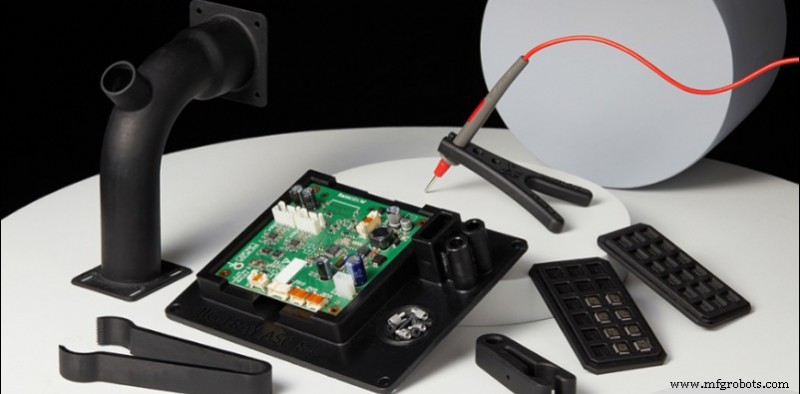
Image 7. Tools and fixtures printed with the Formlabs dust repellent ESD resin. Source: Formlabs.
One such material is the Formlabs ESD resin, which can be used to 3D print tools and fixtures for even the most demanding manufacturing conditions.
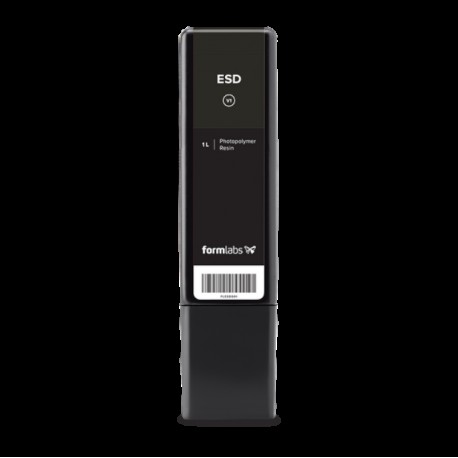 Formlabs IBT resin
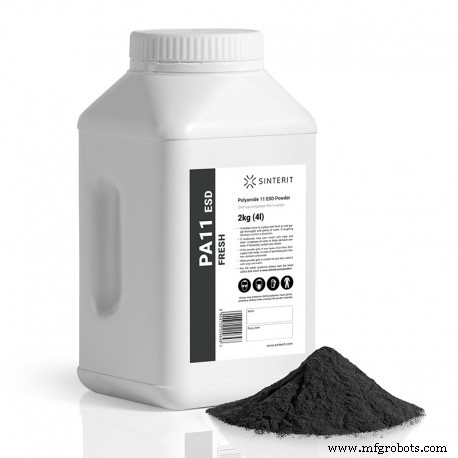 Sinterit PA11 ESD powder
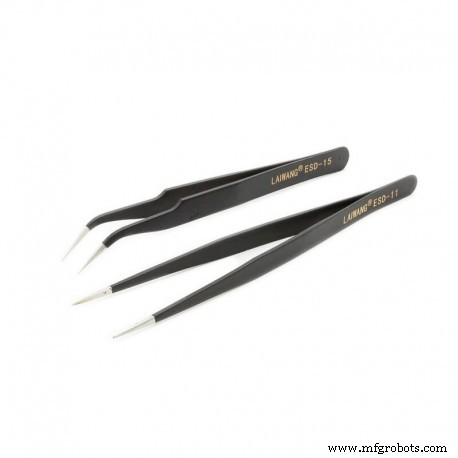 Precise ESD tweezers
 Novus 1 antistatic 3D printer cleaner
ESD accessories
ESD safety in the 3D printing world isn’t only limited to printing filaments, resins, and powders. There are also various cleaning agents and accessories that ensure ESD safety during the printing process or the maintenance of the 3D printer. The Lawang ESD precision tweezers are useful when it comes to removing parts from the build plate, cleaning material out of the nozzle, removing supports or printer maintenance. To minimize the risk of an ESD event that could damage the 3D printer’s electronics, it is recommended to use the ESD safe precision tweezers.
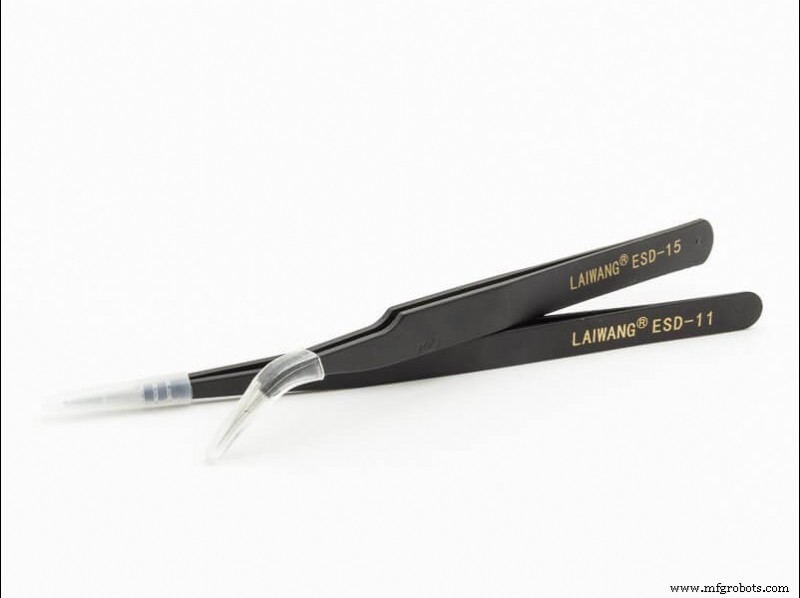
Image 8. Lawang ESD-safe precision tweezers. Source: Filament2Print.
Another precaution to take at the time of 3D printing is ensuring the printing surface is free of dust, particles and static electricity. One way to ensure that is to use a cleaner of some sort, for example the Novus 1 acrylic cleaner for resin tanks. It cleans plastics without scratching them and prevents fogging, repels dust and eliminates static charge. It is crucial for successful SLA prints because dirt in the resin tank can deflect the laser and result in failed prints.

Image 9. Novus 1 acrylic cleaner for resin tanks, eliminates dust, dirt and static charge. Source: Formlabs.
The 3D printing industry is up to the task of satisfying the needs of even the most demanding industries that require tools, materials and technologies that can ensure not only superior performance but also versatility of uses and safety. Materials with ESD-safe properties can be found in FDM printing (antistatic filaments and pellets), SLA printing (ESd resins), and SLS (anti-ESD powders). The safety of printing surfaces is also covered thanks to ESD-safe 3D printer maintenance tools and cleaning accessories.
3D printing
- 3D Printing: From Rapid Prototyping to On‑Demand Manufacturing
- Harnessing 3D Printing in Higher Education: Benefits, Case Studies, and Resources
- Tinkercad for 3D Printing: A Comprehensive Review for Beginners
- Is SketchUp Ideal for 3D Printing? A Comprehensive Review
- SolidWorks for 3D Printing: What You Need to Know
- Blender for 3D Printing: Pros, Cons, and Alternatives
- Explore the Versatile Applications of 3D Printing in Industry and Healthcare
- 10 Strongest 3D Printing Materials for Ultimate Durability
- Essential Pre-Print Checklist for Reliable 3D Printing
- Revolutionizing Healthcare: How 3D Printing Is Transforming Medical Applications