



PLA vs ABS vs Nylon: Choosing the Right 3D Printing Filament
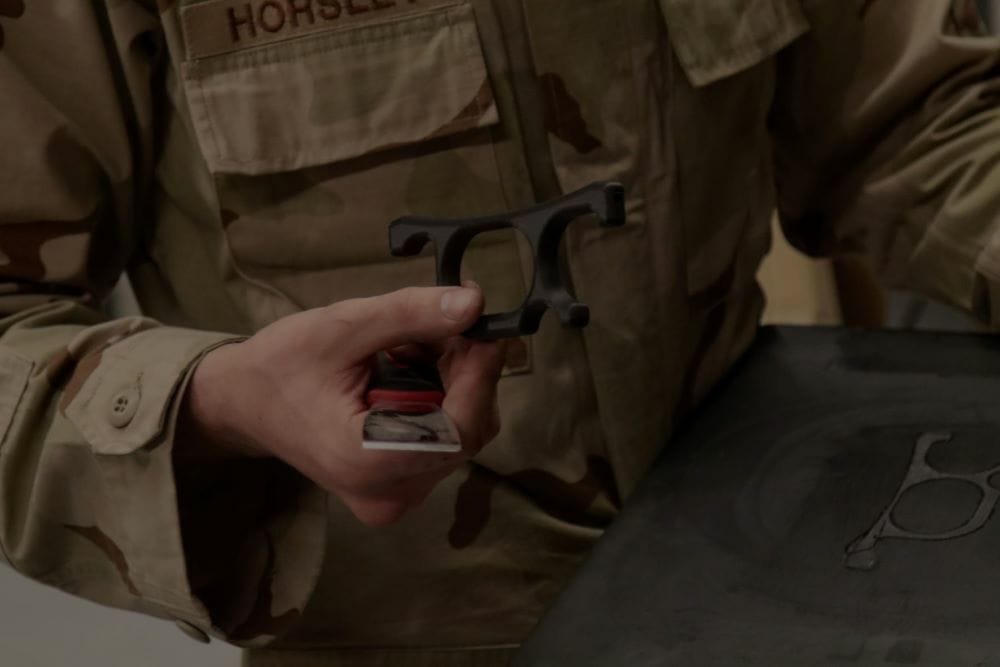
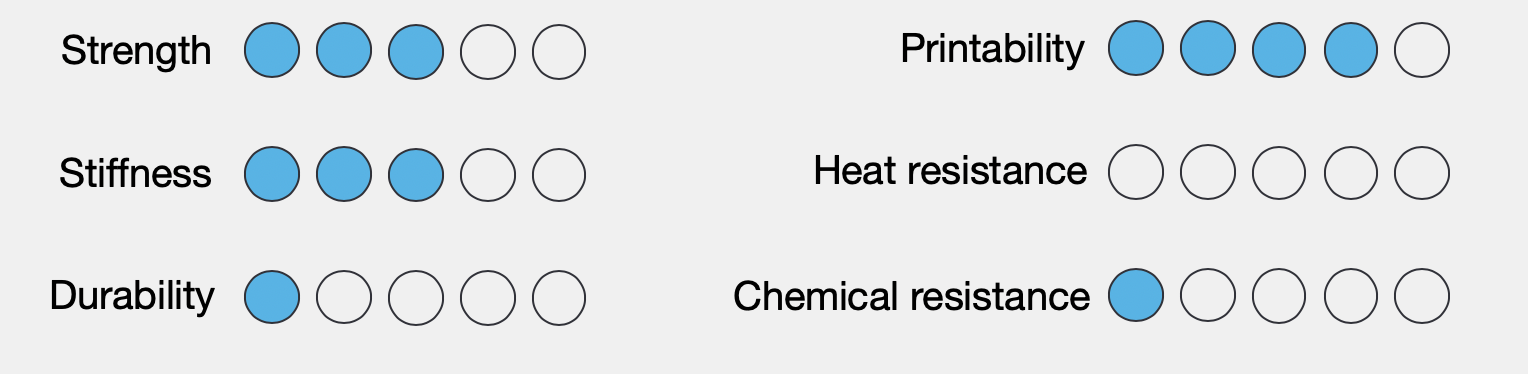
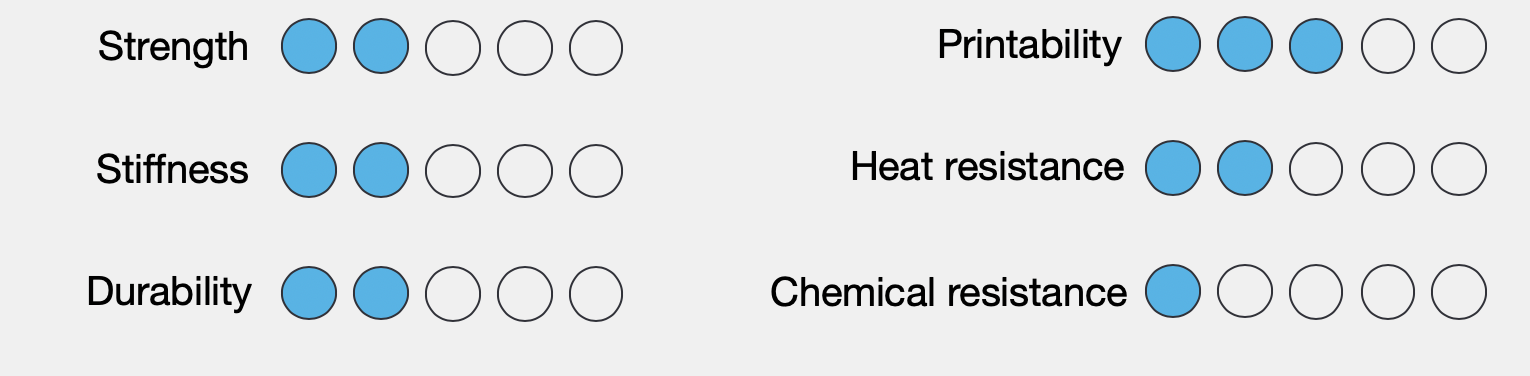
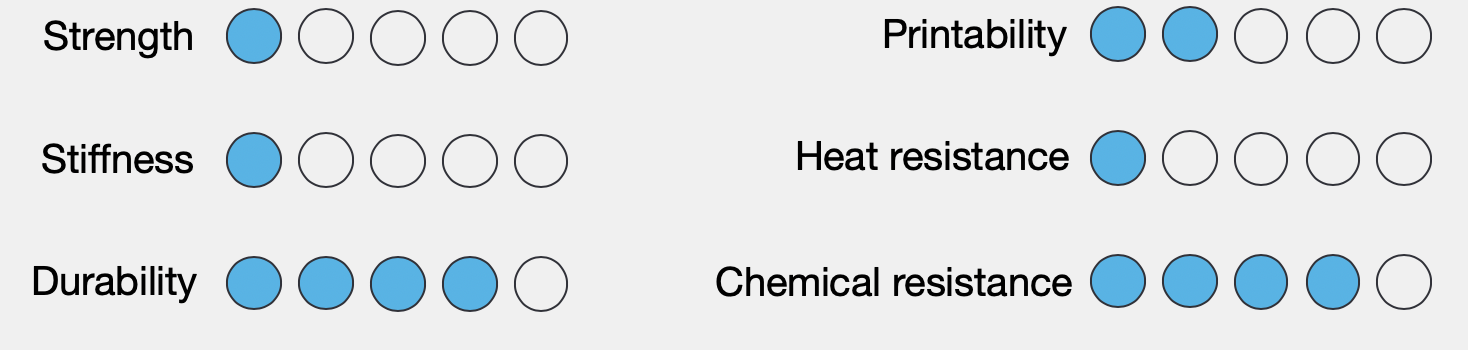
Read our newest customer success story about a major training base for the U.S. Army. PLA, ABS, and nylon rank among the top three 3D‑printing filaments. Each can be printed on standard consumer printers and costs roughly $20 per spool, making them highly affordable. While the PLA‑vs‑ABS comparison dominates discussions, nylon brings a distinct set of mechanical traits worth exploring. Both PLA and ABS are thermoplastics. PLA offers higher strength and stiffness than ABS, but its low melting point means it loses stiffness above 50 °C and is brittle, limiting its use to hobby projects. ABS, while slightly weaker and less rigid, is tougher, lighter, and has four‑times higher impact resistance, making it suitable for prototyping and low‑stress end‑use parts. Nylon introduces flexibility and superior chemical resistance. It is tougher than both PLA and ABS, with impact resistance ten times that of ABS, yet its lower strength and stiffness restrict widespread industrial use. This article compares PLA, ABS, and nylon, explores how fiber‑reinforced variants expand their capabilities, and highlights the Onyx filament as a practical example. PLA is a user‑friendly thermoplastic that delivers higher strength and stiffness compared to ABS and nylon. Its low melting temperature and minimal warping make it one of the easiest materials to print. However, PLA loses most of its stiffness above 50 °C and is brittle, resulting in parts with limited durability and impact resistance. These drawbacks confine PLA mainly to hobbyist applications. ABS is weaker and less rigid than PLA but offers greater toughness and lighter weight. It is about 25 % lighter than PLA and four times more impact‑resistant. Printing ABS requires a heated bed and an extruder temperature 40–50 °C higher than PLA, which helps mitigate warping and improves dimensional stability. Although not heat‑resistant, ABS has a higher heat deflection temperature than PLA and nylon, making it suitable for prototyping and low‑stress functional parts. Nylon is a flexible, durable plastic with lower strength and stiffness than PLA and ABS. Its malleability confers superior toughness, achieving impact resistance ten times that of ABS. Nylon also offers good chemical resistance, opening possibilities for industrial use. However, it requires high extrusion temperatures and a dry storage environment to prevent moisture absorption. Filled nylon blends nylon with reinforcing particles such as fiberglass or carbon fiber. This preserves nylon’s toughness while significantly enhancing strength and stiffness. Markforged’s Onyx filament exemplifies this approach, combining nylon with chopped carbon fiber to yield a material 1.4 × stronger and stiffer than ABS. When paired with continuous fiber reinforcement, filled nylons achieve the high performance required for factory‑floor parts, fixtures, jigs, functional prototypes, and even end‑use components. PLA, ABS, and nylon are excellent entry‑level thermoplastics due to their affordability and ease of printing. For industrial applications, however, fiber‑reinforced nylons such as Onyx provide the strength, durability, and chemical resistance needed to withstand manufacturing environments. To learn more about Markforged’s continuous fibers, read our blog post comparing fiberglass and carbon fiber.U.S. Army Case Study
PLA
ABS
Check out our Composites Design Guide
Nylon
Filled Nylon and Onyx
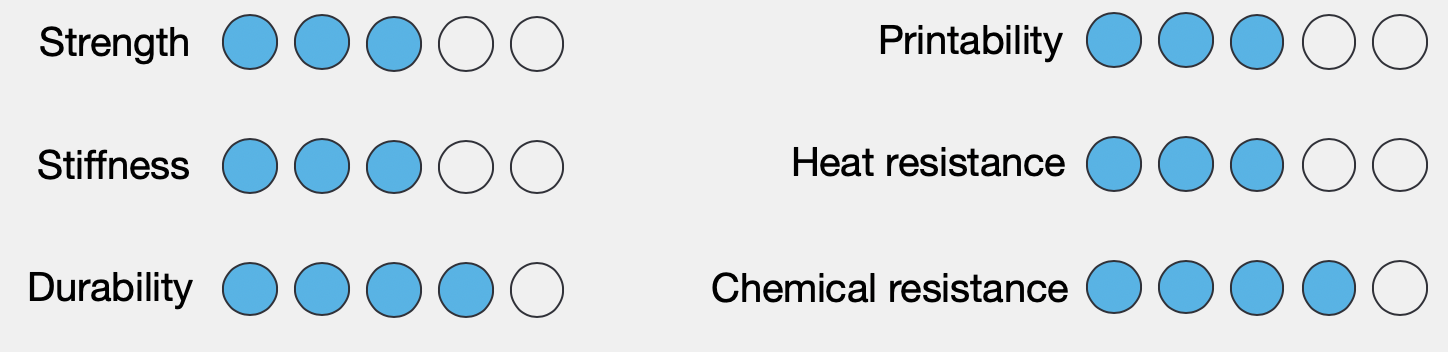
PLA vs ABS vs Nylon: Making a Decision
Read our 3D Printer Buyer's Guide
3D printing
- PLA vs. ABS in 3D Printing: Key Differences and When to Use Each
- PLA vs ABS: Which Filament Is Best for Miniature 3D Printing
- PLA Heat Resistance Explained: Comparing ABS, ASA, PETG and Other 3D Printing Materials
- Which 3D Printing Filaments Bond Best Together?
- Flammability of Common 3D Printing Filaments: PLA, ABS, PETG, TPU Explained
- ABS vs Nylon in 3D Printing: Key Differences Explained
- PLA vs ABS: Key 3D Printing Differences You Must Know
- HIPS Filament vs PLA, PETG, ABS: Which Is Best for 3D Printing?
- Expert Guide: Drying PLA, ABS, and Nylon Filament for Perfect 3D Prints
- Nylon 6 vs. Nylon 66: Expert Guidance for Machining Decisions