



Study Reveals Organizations Only Begin to Tap Automation's Full Potential
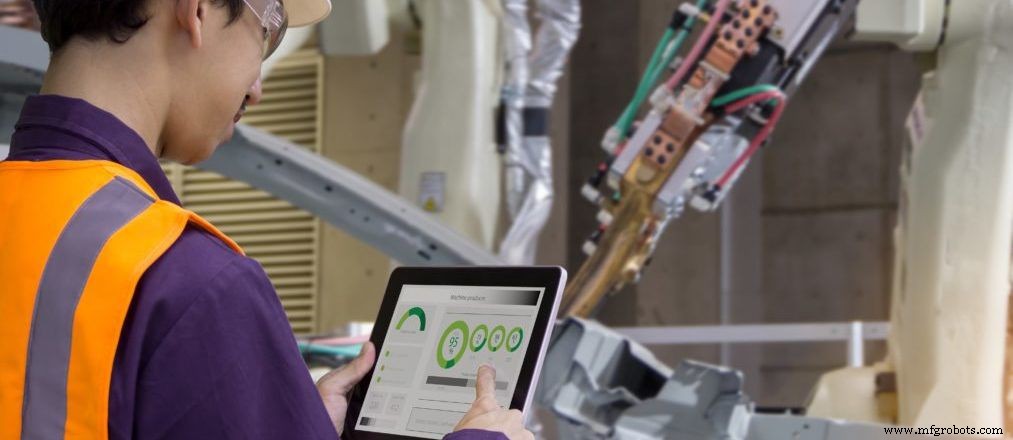 Capgemini surveyed over 700 executives from organisations that are currently experimenting with or implementing automation solutions and analysed over 110 real-world use cases across six sectors.
Capgemini’s Research Institute’s latest report “Reshaping the future: Unlocking automation’s untapped value”, shows that despite automation offering greater efficiency and gains, less than a fifth (16%) of global businesses have adopted multiple automation use cases at scale.
For over 40% of organisations, the number one objective behind automation initiatives is the aim to improve quality, only 23% are looking to gain incremental revenue. Furthermore, only 32% of surveyed organisations are focusing on use cases deemed “quick wins” – those that are not only easy to implement but also highly beneficial.
Capgemini surveyed over 700 executives from organisations that are currently experimenting with or implementing automation solutions and analysed over 110 real-world use cases across six sectors. According to the study, automation leads the way in wide-scale deployments.
According to Capgemini, within these sectors, when it comes to implementing automation, it’s the back and middle-office that recognise the biggest gains: over half (56%) of organisations using automation have deployed it in IT and over a third (37%) have implemented automation solutions in the middle office. The back-office functions of procurement and supply chain and human resources realise on average the greatest return on investment (ROI) at 18% and 15%, respectively, 29% of organisations using automation have deployed it in front-office functions such as sales and marketing.
>See also: 5 steps to successful RPA implementation
According to Christian Gottswinter, Head of Central Business Excellence at Siemens: “Organisations need to have a strategic roadmap for driving automation initiatives and new technology advancements, with employees as their backbone in this transformation journey. The workforce needs the confidence of their job environment to support automation and build a momentum for the change. Businesses need to foster an agile culture with open-minded people who find value in taking a digital-led approach.”
>See also: Robotic process automation: an operations silver bullet?
Automation Control System
- Molding 2019: Automation Insights for the Modern Molder
- Automation: The Only Path Forward for U.S. Manufacturing
- Expert Warns: Trump’s Trade Policies Could Spark Unprecedented Automation Surge
- DHL Foresees Automation and Digitalization to Transform Logistics Industry by 2025
- How COVID-19 Is Reshaping the Future of Work and Automation – Insights from a New Study
- Unlocking Efficiency: How Organizations Harness RPA Benefits
- Are UK Companies Capitalising on Automation Amid the Fourth Industrial Revolution?
- Infosys Study Reveals Youths' Growing Concerns Over Automation's Impact on Their Careers
- Kryon: Automation Is Key to Strengthening Healthcare Amid Pandemic Strain
- Surface Water Drainage Types: Choosing the Right System for Your Property