



Debunking 4 Common Confined Space Myths for Safer Workplaces
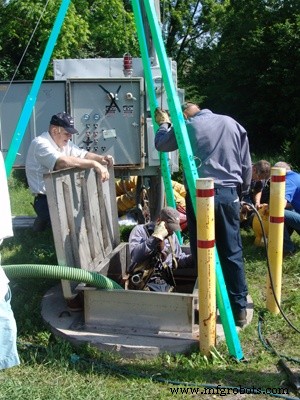 Confined spaces are common in many industrial and municipal work spaces. These spaces vary by size and location, and each present their own set of challenges, albeit hazardous air or just tight conditions. However, day in and day out, workers are required to do their daily jobs in such areas. How can you be sure your team is as safe as possible? Make sure they have the right information about the confined space at your facility, and that they are aware of these 5 common confined space myths.
1. A CONFINED SPACE IS ALWAYS ENCLOSED
It is common for employers to misinterpret OSHA’s definition of a confined space to only enclosed space. Doing so puts workers at risk when they don’t preplan and take proper safety precautions in truly confined spaces like pits, open-top tanks, vaults, etc.
2. ALL CONFINED SPACES REQUIRE A PERMIT
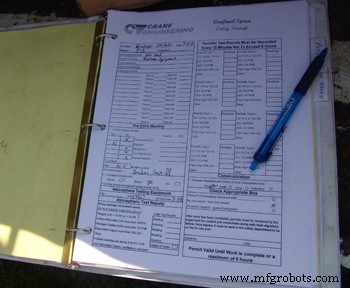
- Not designed for continuous personal occupancy
- Has a limited mean of egress
- One of the following characteristics
- Less than 19.5% oxygen
- Flammable/combustible/explosive atmospheres present or able to be generated or enter into the area
- Toxic atmospheres present or able to be generated or enter into an area
- Areas not protected against entry of water, gas, sand, gravel, ore grain, coal, biologicals, radiation, corrosive chemicals, or any other substance which could possibly trap, suffocate, or harm a person
- Poor ventilation
- Restrictive entry for rescue purposes
3. WATCHING VIDEOS OR INTERACTIVE WEB BASED LEARNING IS GOOD ENOUGH FOR CONFINED SPACE TRAINING
Videos and web based learning are great supplementary tools for learning about confined space, but nothing can replace the practical, real life, on the job training. No fire fighter or police officer would be put on the street with that type of training, why would employees be allowed into potentially dangerous areas without thorough, hands on training program.
4. NON-ENTRY RESCUES ARE ALWAYS BEST FOR CONFINED SPACES
Oftentimes, non-entry rescues are the best, but not always. In cases where a non-entry rescue poses a greater risk to the workers involved, those trained to perform confined space rescues should be called in. Possible emergencies should be planned for to determine the smartest and safest rescue approach.
Many myths and misconceptions about confined space exist in workplaces across the country. They are repeated and taught so many times, they are believed and become true. Correcting common misconceptions is important to protecting employees and conducting a safer, more knowledgeable work place.

Industrial Technology
- Spacesuit: Engineering, History, and the Future of Extravehicular Mobility Units
- Precision Industrial Maintenance Inc. Cited by OSHA After Fatal Confined Space Incident
- Debunking 4 Common Myths About American Manufacturing
- Debunking Manufacturing Myths: The Real Impact of Automation & Career Opportunities
- Essential Gear for Successful Confined Space Rescues
- Confined Space Work: Hazards, Safety Protocols & Best Practices
- Optimizing Warehouse Space Utilization: A Practical Guide
- Debunking the Top 10 Myths About Compressed Air
- Structural Steel Building Myths Busted: Facts You Need to Know
- Debunking 4 Common Myths About Choosing a Custom Metal Fabrication Partner