



How 3D Printing Elevates Metal Fabrication: Key Benefits Explained
As a leading CT Metal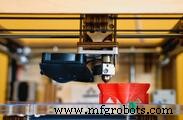 Fabrication company, CAMM Metals is deeply interested in new developments across the metalworking industry. We’re always thrilled to see new machines appear, new tools and software releases, and new techniques and tips to help improve the different aspects of the fabrication process. As you can imagine, we’ve been pretty interested in the 3D printing trend that’s gripped the public’s attention in recent years, as well as how it relates to those of us in the metalworking industry.
We’re proud to announce that we’ve acquired “The Mark Two” 3D Printer. With that said, let’s examine how 3D printing works as well as how the 3D Printing boom benefits metal fabricators.
What is 3D Printing?
3D printing is a wide-ranging term used to describe a variety of different methods, including selective laser sintering (SLS), stereolithography (SLA) and others. The similarity between these methods is that they are capable of building up products from scratch.
In other words, 3D printing is an additive process, the polar opposite of subtractive manufacturing. This results in a vastly different product with a different set of attributes. 3D printing is a valuable manufacturing process for rough prototyping and one-off products, with a unique set of benefits.
What are the Benefits of 3D Printing for Metal Fabricators?
More Efficient Prototyping
Prototyping helps to take our ideas and make them real. 3D printing offers a more efficient means to an end. In years past, someone would sketch out his or her ideas on paper or detail the project design in CAD. From there, the product is crafted from metal. Now, 3D printing technology has evolved the prototyping process to be faster, less expensive and more precise. Companies now have the opportunity to evaluate a design through 3D printing, allowing them to analyze and improve on design with minimal investment.
Reduced Waste
Considering that it’s an additive process, 3D printing only uses the amount of material necessary to produce a product; therefore, minimal material is wasted during the 3D printing process. That being said, there can be waste produced when a mistake happens in the printing process or when the product has to be post processed with grinding and sanding. Still, both of these situations result in a minimal amount of waste compared to other production methods
Less Design Restrictions
If you can model the design of your product in CAD, you can 3D print the product. CNC machining is limited by what the tools can reach; however, 3D printing can build anything from the ground up, including complex internal geometries that would otherwise be impossible to create with a CNC machine.
Potential to Deliver a Printed Part in Less than 24 Hours
Another benefit is that the machine can run overnight, unattended. So, a fabricator can start a print during the day and the machine can run overnight until a parts is completed, giving the fabricator the potential to deliver a printed part in less than 24 hours.
Final Thoughts
3D printing offers incredible opportunities and possibilities for numerous industries, especially in the case of medical technology and prototyping. When a client needs a single highly customized part, 3D printing can do the job effectively. While 3D printing is an excellent choice for one-off products like prototypes and small-scale custom products, there are other, more efficient tools for manufacturing large quantities of quality products of all sizes and materials— Regardless, we are proud to have added a 3D printer to our arsenal of quality machinery.
Deburring in Metal Fabrication: Enhancing Precision, Safety, and Performance
When to Use Inconel: Choosing the Right Alloy for High-Performance Projects
Industrial Technology
- Metal 3D Printing: Business and Technical Advantages That Drive Innovation and Cost Savings
- How Lean Practices Boost Efficiency and Cut Costs in Metal Fabrication Job Shops
- Explore Professional Metal Finishing Options for Durability and Aesthetic Excellence
- Why Waterjet Cutting? Key Benefits for Precision Metal Fabrication
- Unlocking Value: The Key Advantages of Custom Sheet Metal Fabrication
- Why Powder Coating Is the Superior Choice for Metal Fabrication Projects
- Discover Why Powder Coating Is the Premium Choice for Steel Fabrication
- Sandblasting: Key Benefits for Surface Preparation and Metal Fabrication
- Why Partnering With a Local Metal Fabricator Boosts Reliability and Cost‑Effectiveness
- Unlock Efficiency: How Sheet Metal Design Software Drives Fabrication Success