



Mastering FRP Machining: Overcome Fiber Fraying, Delamination & Thermal Damage
Fiber reinforced plastics (or FRPs) are used in applications where high specific strength and low weight are essential. To machine FRPs and stacks (FRP/metal-layer composite) without component damage, cutting edge quality and wear resistance are of absolute importance.
Challenges With Machining FRPs
• Fraying or splitting of fibers• Delamination• Component damage through “peel-up” or “push-out”• Burr development• Thermal damageGuhring's FR 100 high-performance milling cutters address the challenges associated with machining FRPs.
Features:
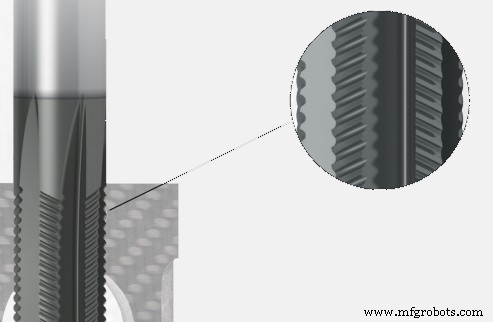
Compression cut
The shearing action of the FR 100 prevents delamination, fiber fraying and thermal damage.
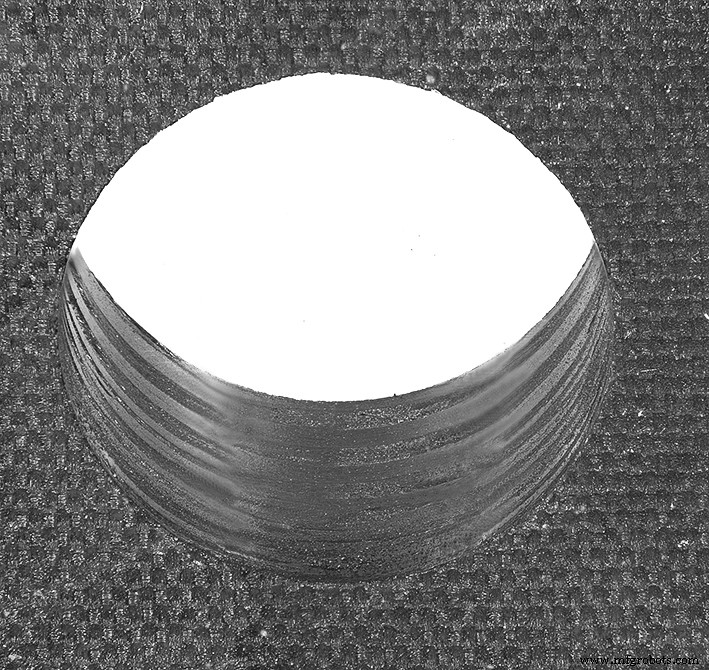
A clean exit
The goal is to avoid delamination or fraying of the FRP fibers. An exit hole with a clean edge proves Guhring’s success.
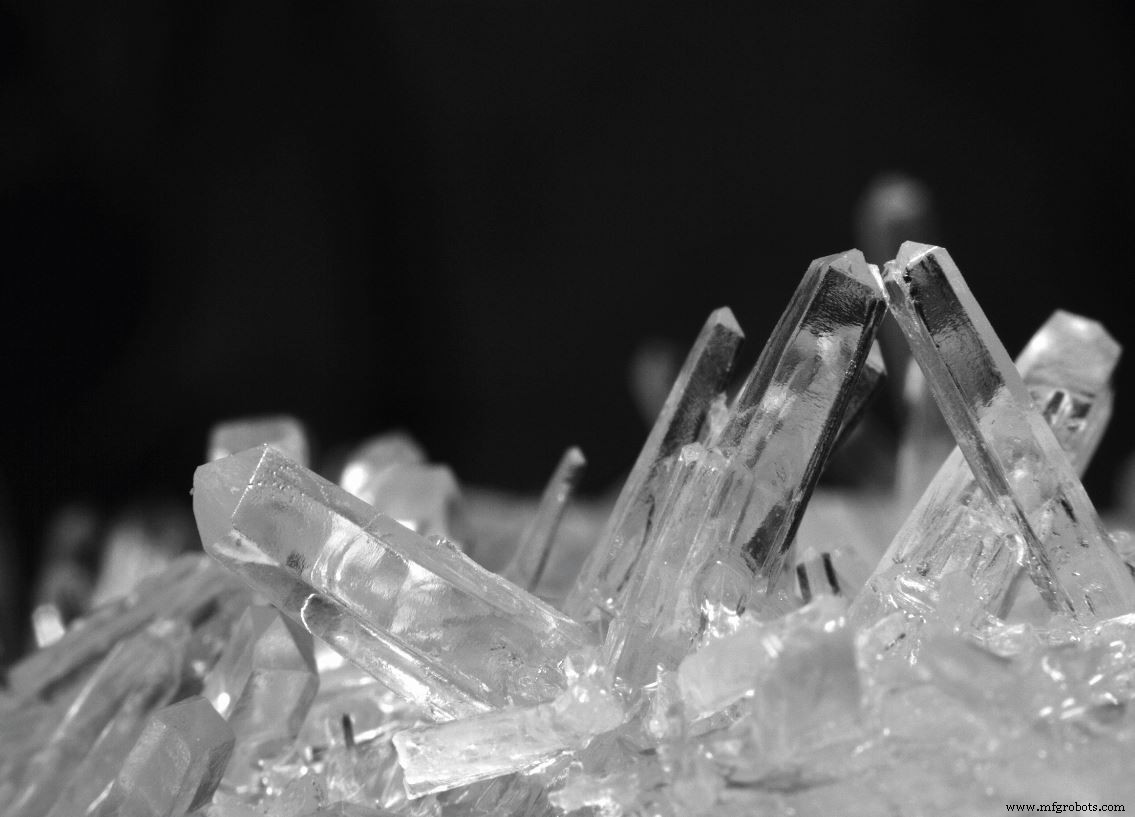
Economic efficiency
The exceptional hardness value of diamond enables this coating to tackle highly abrasive applications. Tool life is extended by the design features and the coating.
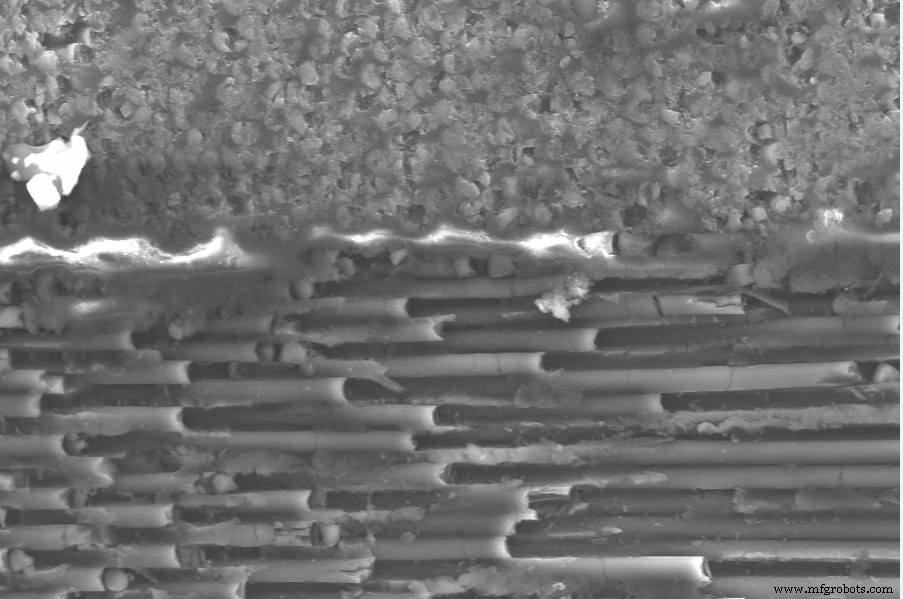
Cutting edge matters
Machining results, magnified 500-fold, show the compression geometry paired with a superior cutting edge retains the structure and direction of the fibers in the material. No thermal damage or delamination occurs.
Industrial Technology
- How Lightweight Composite Materials Are Transforming Modern Medicine
- Composite Manufacturing: Advancing Materials for Aerospace, Energy, and Healthcare
- Top 5 CNC Machining Challenges: What to Expect & How to Overcome Them
- Precision Machining Technologies: Advancing Accuracy & Efficiency
- Overcoming the Challenges of Large Part Machining: Key Strategies and Solutions
- Mastering Long-Reach Machining: Strategies to Overcome Current Challenges
- How Medical Materials Have Transformed Orthopedic Surgery
- Choosing the Optimal CNC Machining Materials for Superior Part Performance
- Top 5 Corrosion-Resistant Materials Every Manufacturer Should Know
- Choosing the Right Materials for CNC Machining: A Practical Guide