



Additive Manufacturing: 5 Essential Insights into 3D Printing for Business Leaders
3D printing and additive manufacturing are set to grow dramatically over the next several years. But those companies interested in adopting the technology are confronted with a dizzying array of terms, techniques and processes. Here’s a handful you should know about.
Additive manufacturing, also known as 3D printing or the abbreviation AM, is set for substantial growth. Industry analysts Statista and Fortune Business Insights predict a CAGR (compound annual growth rate) of 26.4 percent and 25.8 percent respectively, the latter suggesting that the global 3D printing market will reach $51.77 billion by 2026.
Simply put, it’s a great time to be in additive manufacturing.
However, those seeking to enter this booming market face a blizzard of terms, techniques and technologies. These include SLA (stereolithography), DLP (digital light processing) and FDM (fused deposition modeling) machines, to name just a few. The question is, “How do we as designers and manufacturers know where to begin? And what type of 3D printer best serves our needs and fits within our budget?”
You might start by asking Zach Simkin, the president of New York-based AM software and consulting firm Senvol LLC. His products and services “allow companies to access AM data, generate AM data, and analyze AM data.” One such product is the Senvol Database, a free resource that provides searchable details on more than 1,500 industrial additive manufacturing machines and an incredible 3,200-plus materials.
“It’s important to know that the term ‘additive manufacturing’ is actually an umbrella term that encapsulates various and quite distinct forms of the technology,” Simkin says. “The American Society for Testing and Materials (ASTM) defines seven different AM process classifications, ranging from some of the more commonly known ones such as material extrusion and powder bed fusion to lesser-known ones like sheet lamination.”
Simkin notes that his company is a member of America Makes, an organization that provides valuable information and support to the AM community. So is Stratasys Ltd., an Eden Prairie, Minnesota-based 3D printer manufacturer whose founder, Scott Crump, invented and patented FDM in 1989.
Michael Mignatti, vice president of engineering for MakerBot Industries LLC, a Stratasys company based in Brooklyn, New York, offers the following advice for anyone aiming to invest in a 3D printer, regardless of whose logo sits on the front of the machine:
No. 1: Get to Know the Workflow
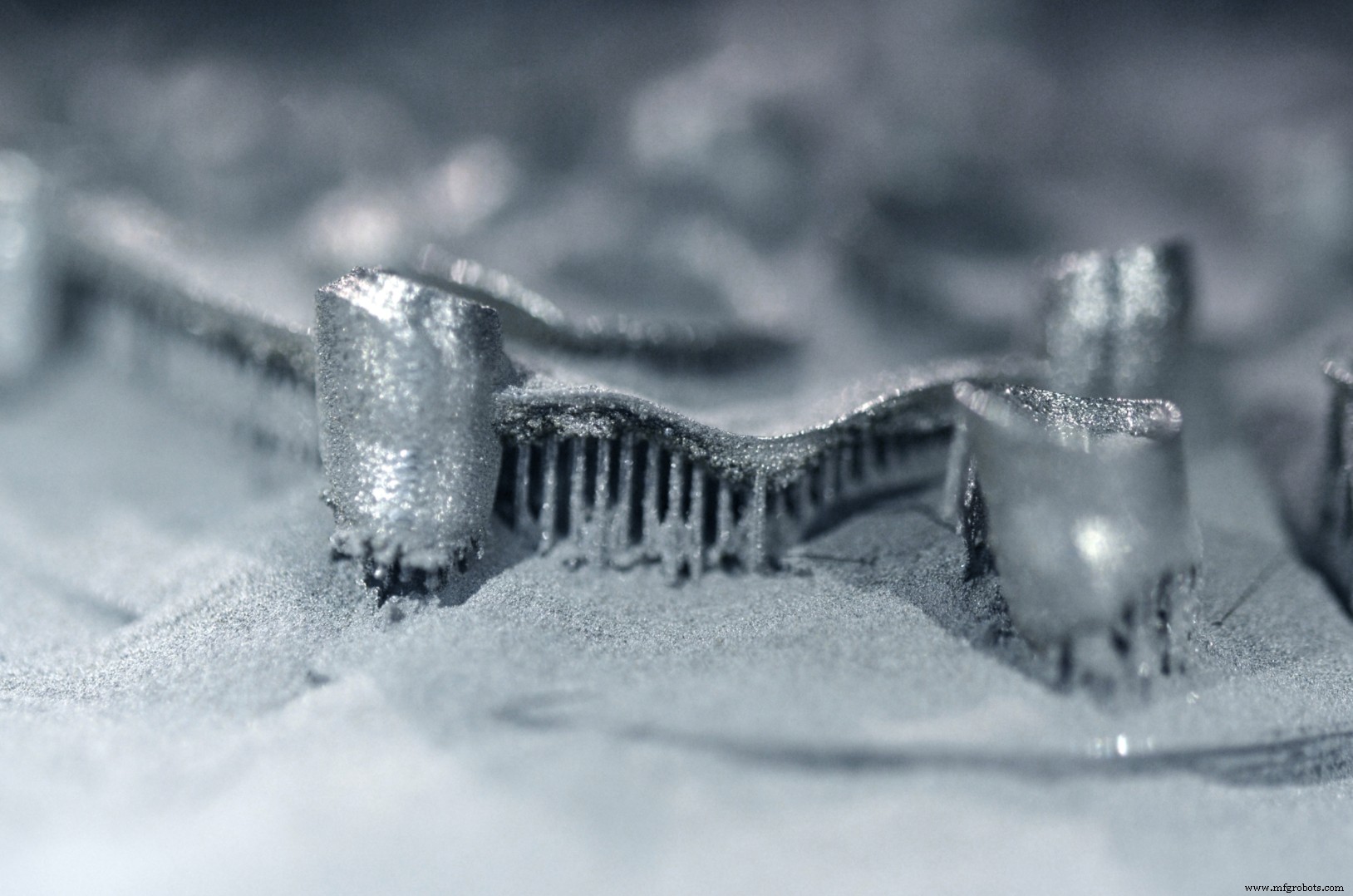
If this is your first experience with 3D printers, you may be surprised by the workflow. For instance, the print that comes out of the machine will often need post-processing steps before it is ready to use. This could be support removal and general model cleanup, sanding or polishing to get the desired surface finish, installation of inserts, and so on. Each technology is different and has different steps—be sure you understand this so you are not surprised or disappointed after your first print.
No. 2: Optimize Where Possible
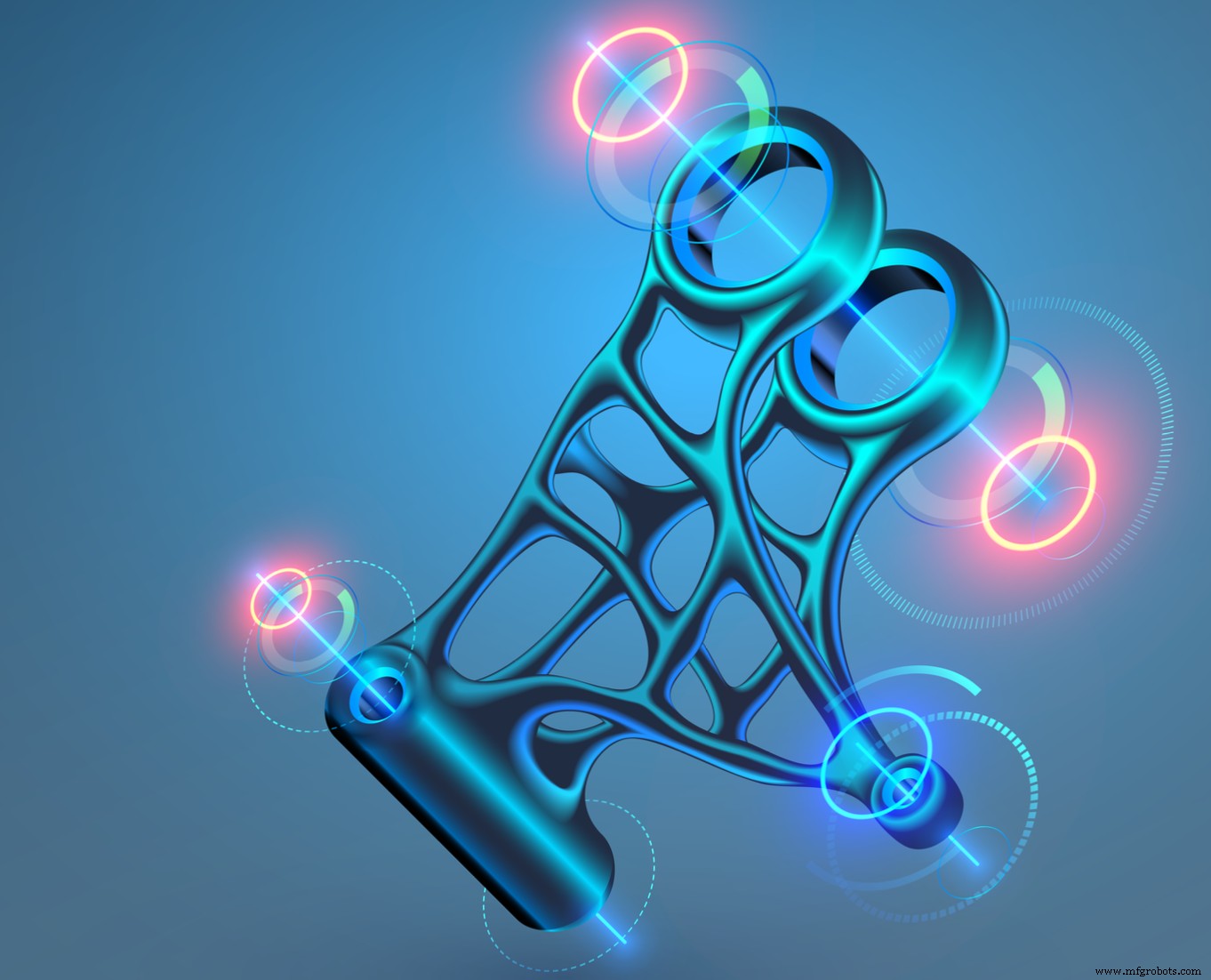
The technology is still relatively young. 3D printers have complex electronics, many moving parts, and in our case, molten plastic. Regardless of whose machine you’re using, some amount of failed prints are inevitable. Don't get discouraged. Parts don't necessarily need to be designed specifically for 3D printing, but there are optimizations available that will increase the success rate. This becomes second nature once you get the hang of it, although there is a bit of a learning curve.
No. 3: Do Your Homework
There are many different technologies to select from (FDM, SLA, DLP, etc.) and they each have different strengths and weaknesses. Look at your application and choose the technology that best fits your needs. FDM printers are some of the most popular because they are easy to use, have a large material offering, and can be used for a variety of purposes, including end-use components, functional prototypes, jigs and fixtures, cosmetic parts, and so on.
No. 4: Material Is Key
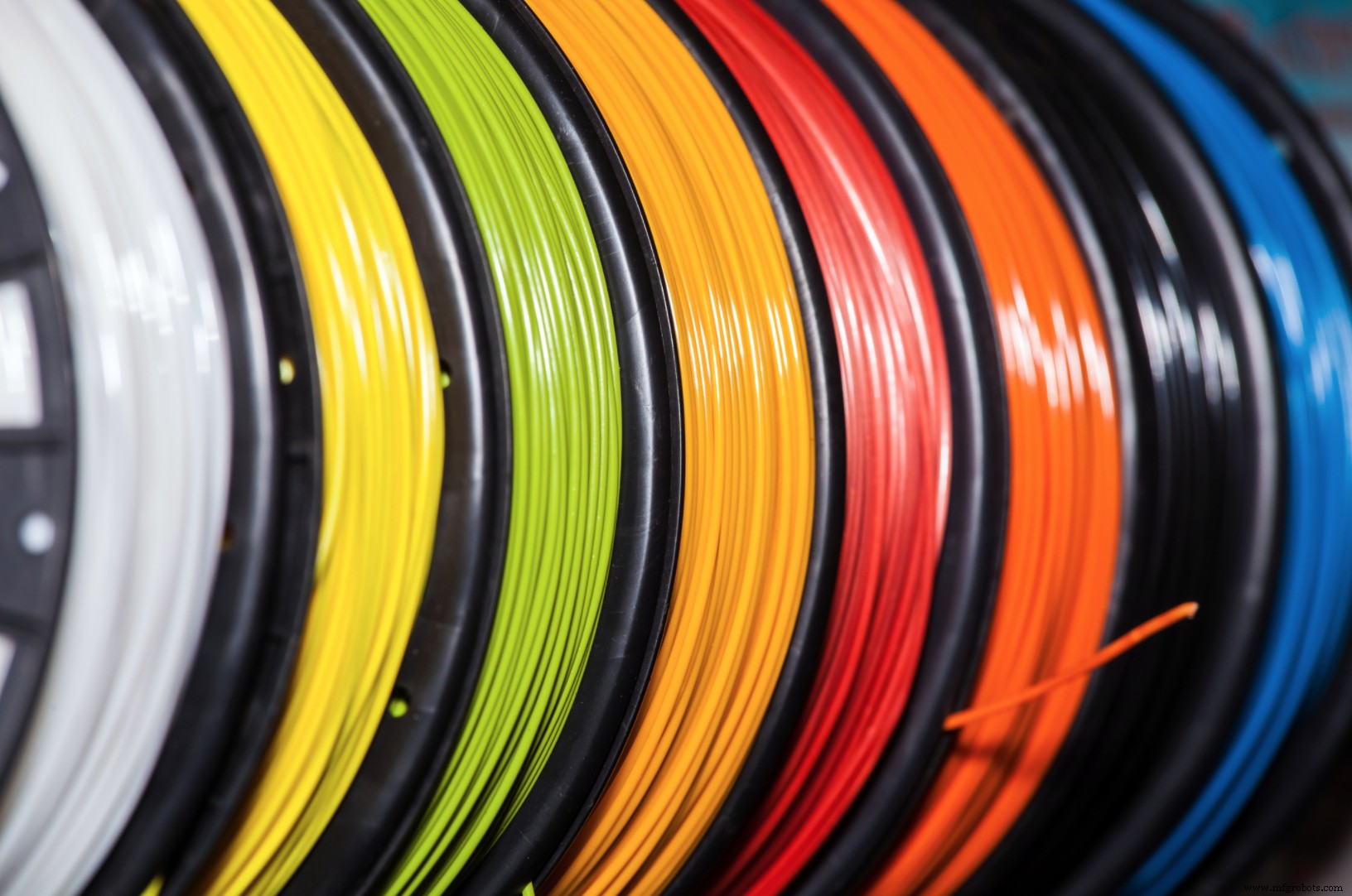
Most FDM machines can print commodity materials such as PLA, PETG, etc. As you move into more advanced or engineering-grade materials like ABS, PC, nylon, PEKK, carbon fiber and others, printing difficulty increases significantly. Some materials require controlled environments such as a heated or oxygen-free chamber to be successful, while others require special extruders and systems to handle the material requirements. Make sure you know what materials you’re interested in using and that the machine can handle them successfully.
No. 5: Bigger Isn't Always Better
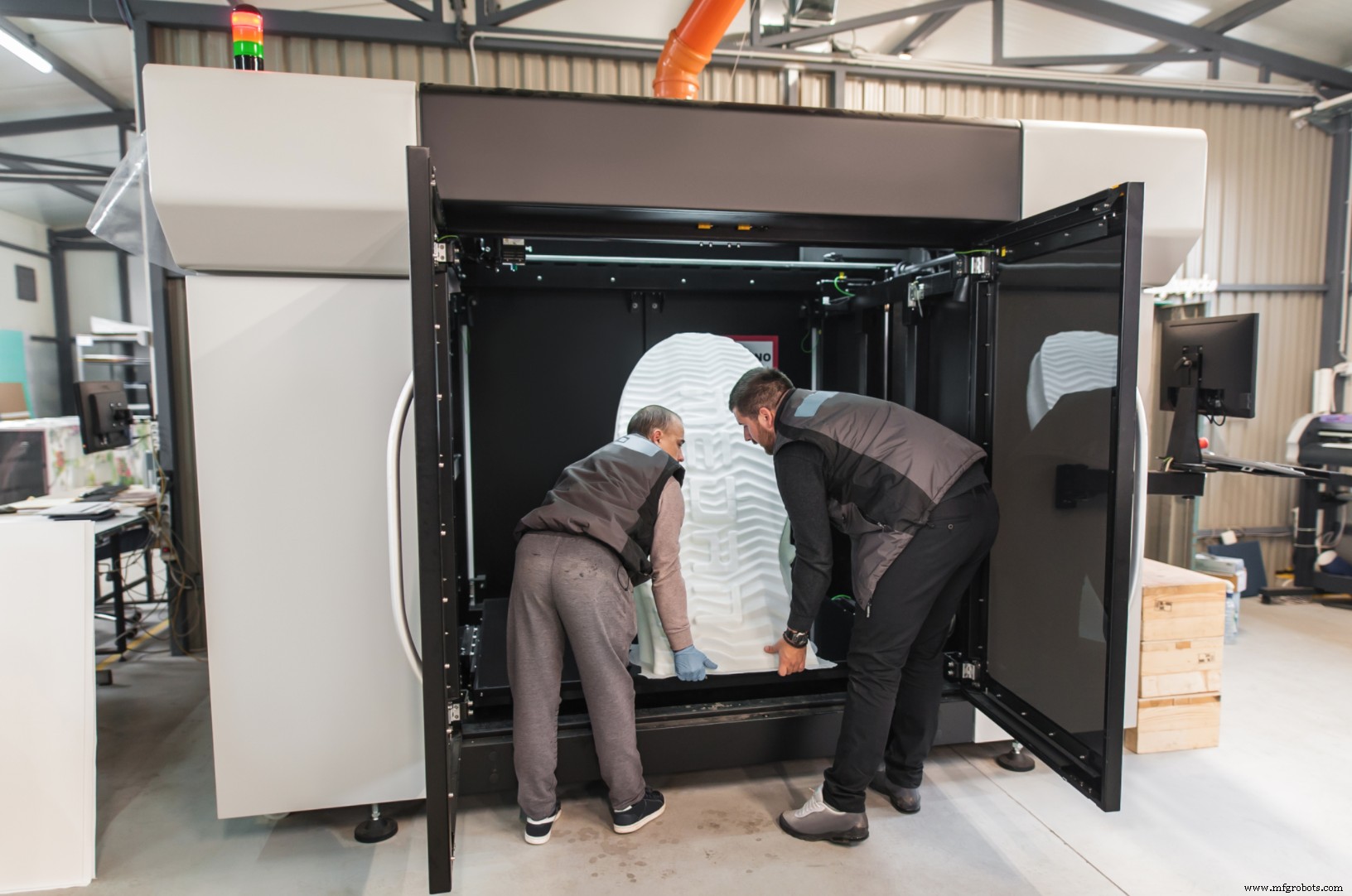
Contrary to what many suggest, a larger build volume is not always better. While it is tempting to future-proof and get a machine with the largest build volume you can afford, this does not always make sense. Large prints can take a very long time, particularly those with support material, and this is not always practical. In many cases, you are better off going to a service bureau for the rare instances where a large build volume is required. Of course, this is a decision that must be made based on your unique needs.
As mentioned earlier, Mignatti’s words are relevant no matter what printer you’re currently using or are considering buying. And yet it’s essential to refer back to what Simkin says—that seven 3D printing technologies exist, each with its own strengths and weaknesses. MakerBot and its parent company Stratasys represent three of these—FDM, SLA and PolyJet—although competing technologies SLS (selective laser sintering), DMLS (direct metal laser sintering), Binder Jet and others are no less relevant to the manufacturing community.
3D Printing Technologies
For those new to 3D printing, here are a few of the additive manufacturing technologies as categorized by the International Organization for Standardization (ISO/ASTM 52900).
All build parts or part features one layer at a time, usually from the bottom up, and all require that parts undergo some level of post-processing support removal that may include cleaning, sanding and machining.
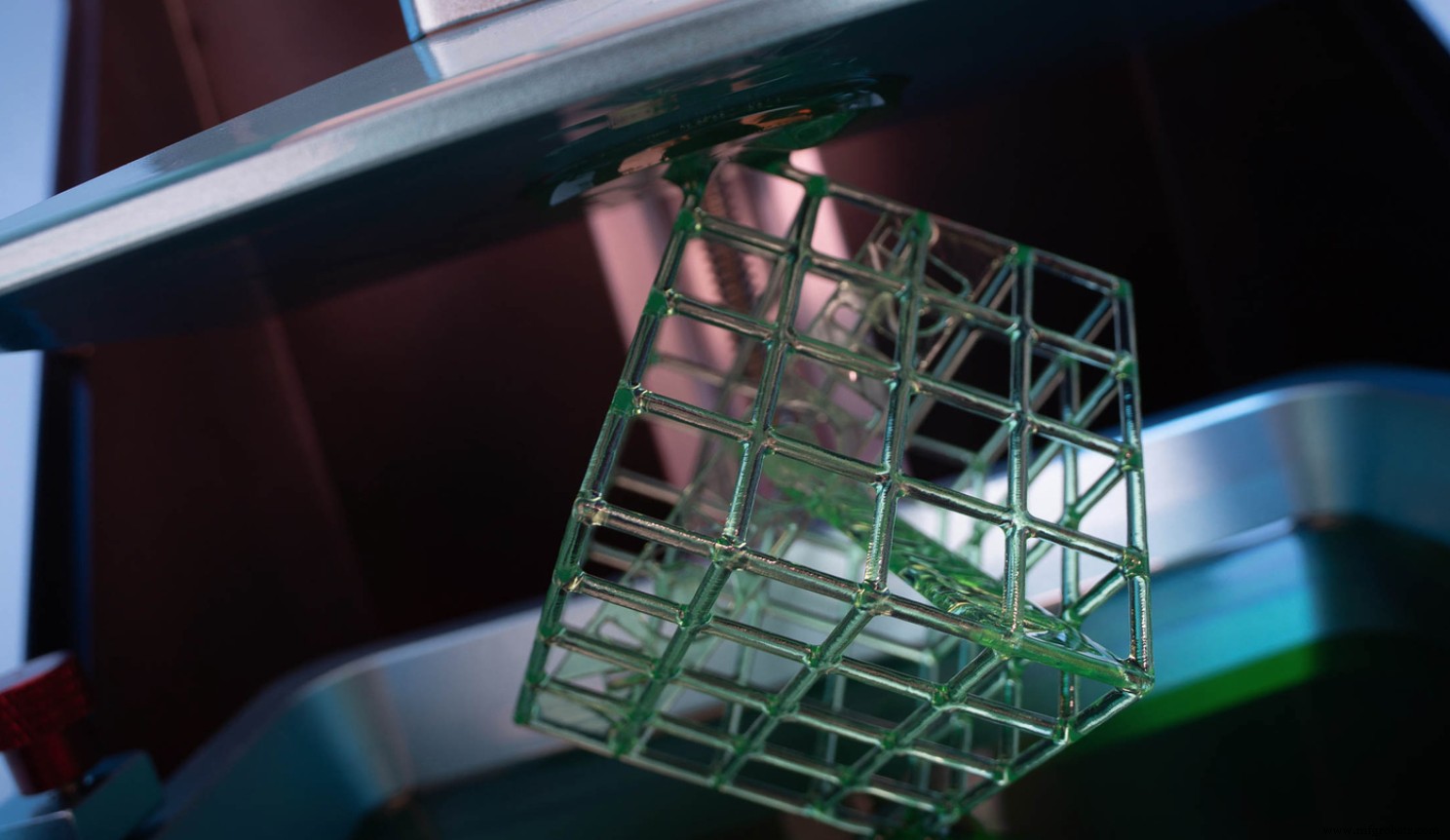
Vat photopolymerization includes stereolithography (SLA) and digital light processing (DLP). As the name implies, it employs a vat of photoreactive resin and a movable build platform, together with an ultraviolet (UV) light source such as a laser or digital projector to “cure” each layer of liquid resin.
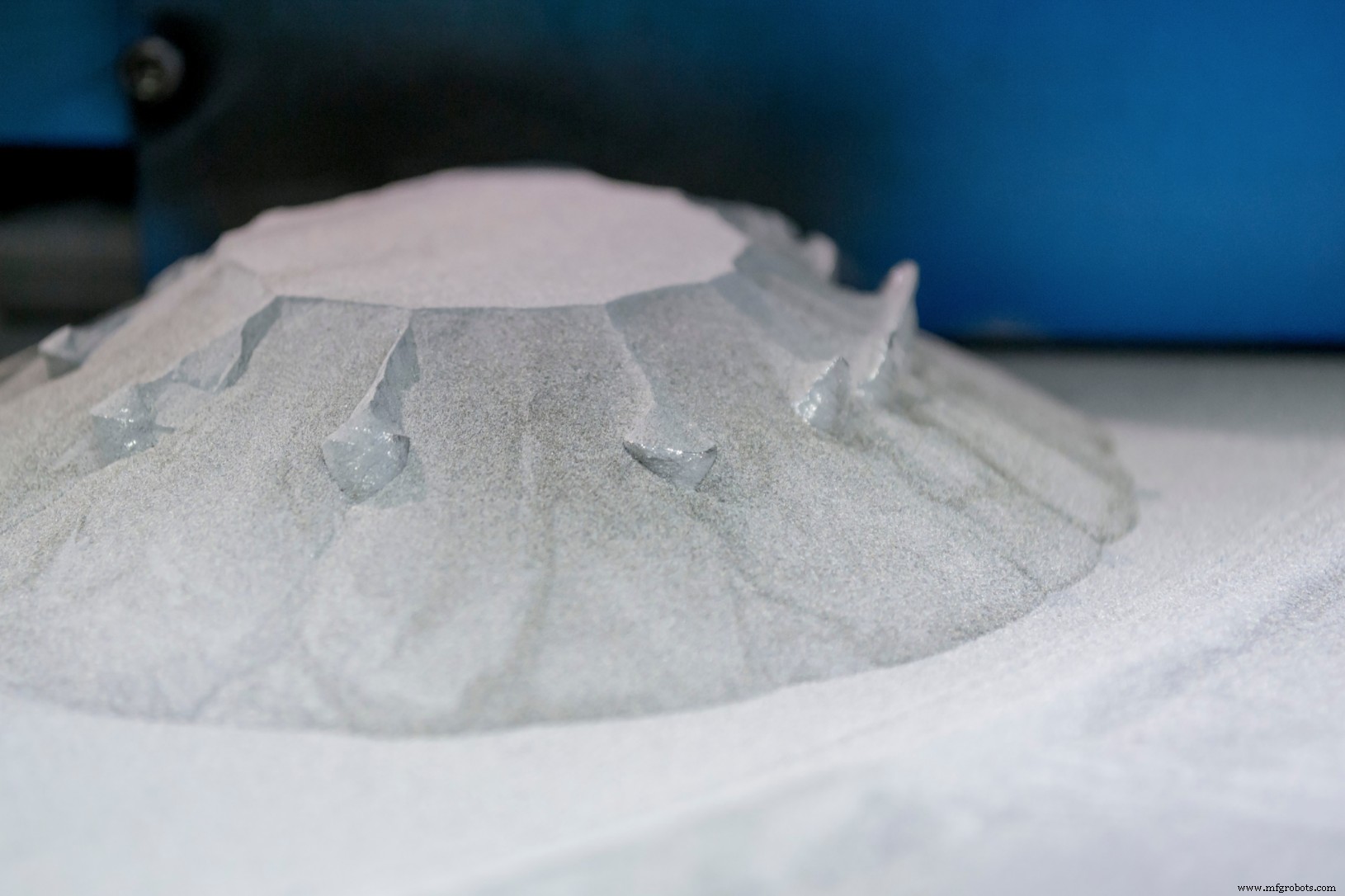
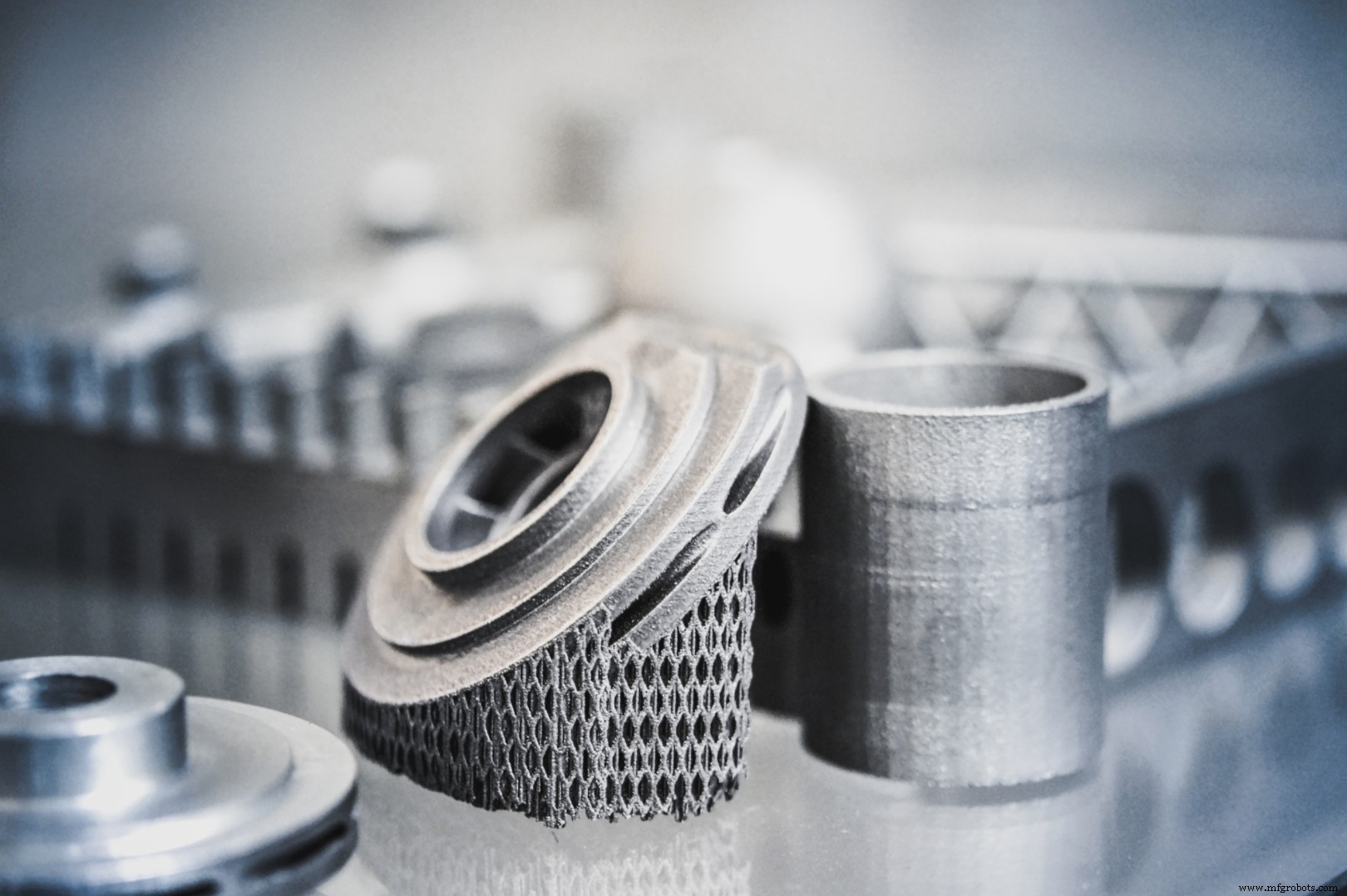
Powder bed fusion (PBF) printers make metal or plastic parts by using a laser to fuse or even melt together individual bits of powder resembling fine sand. Companies such as GE Aviation have made the news over recent years by 3D-printing fuel nozzles for the LEAP engine, although countless other applications exist for this important technology.
Sheet lamination (SL) is more commonly known as laminated object manufacturing (LOM), which involves gluing laser-cut pieces of paper one on top of the other to build parts. Newer systems have moved to fiber-reinforced composites rather than paper, making them suitable for large structural components found in the aerospace and automotive industries.
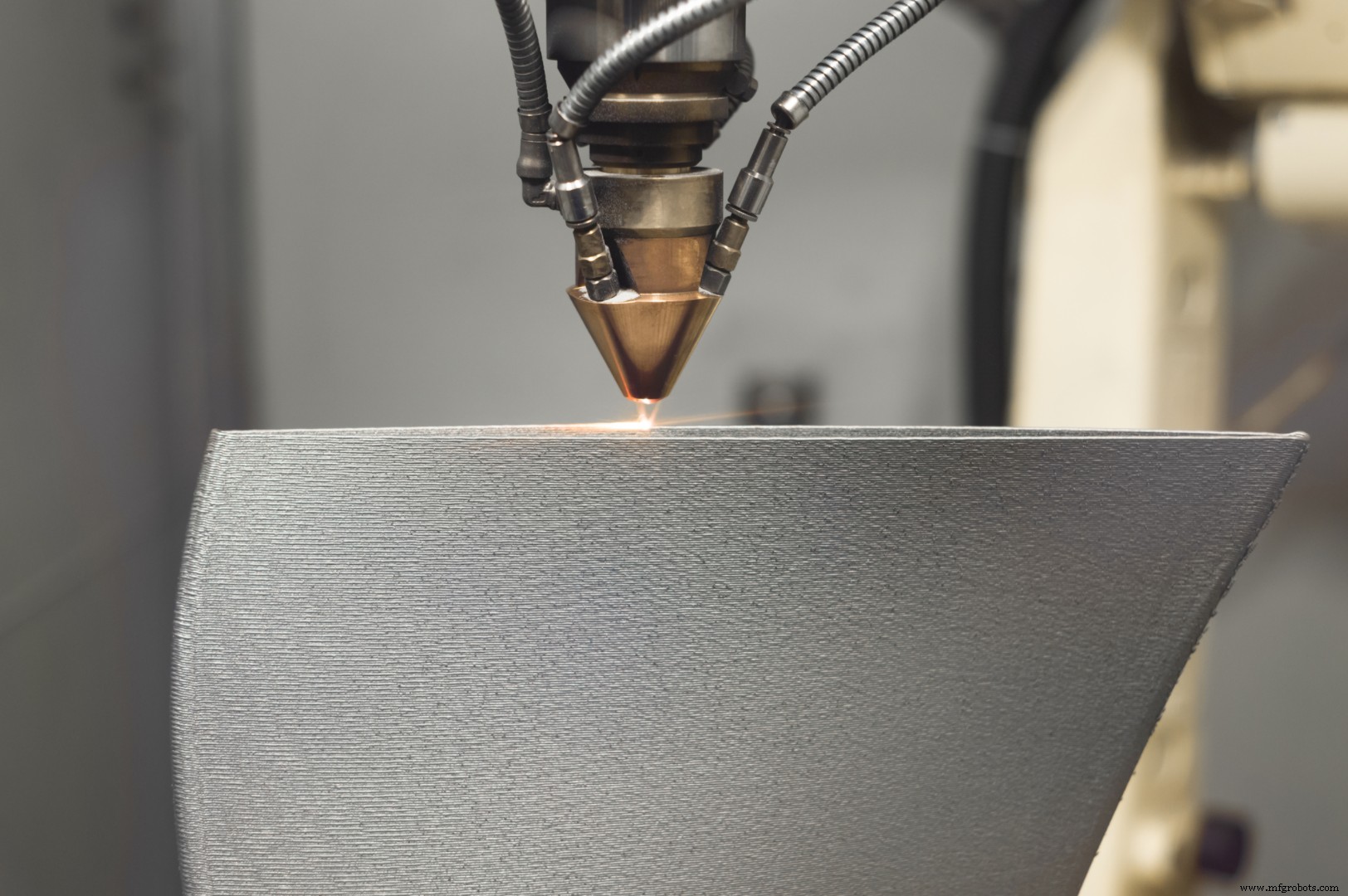
There’s plenty more. Electron beam manufacturing (EBM) is just as its name describes, using an electron gun rather than a laser to melt metal powder. Binder jetting (BJ) injects glue-like liquid binder onto a bed of plastic powder, while material jetting (MJ) sprays liquid photopolymers onto a build platform, then cures them with UV light. For fifty bucks, anyone wishing to read the complete specification can find it here: ISO/ASTM 52900:2015.
How are you leveraging additive manufacturing in your facility? Share your thoughts and insights in the comments below.
Industrial Technology
- 6 Essential Insights About 3D Printing You Probably Haven’t Heard
- Metal Additive Manufacturing: Key Insights for Modern Production
- 7 Key Insights Into DC Motor Controllers
- Essential Insights into Metal Casting: Techniques, Applications, and Advantages
- Additive Manufacturing & 3D Printing Explained: Key Insights & Applications
- A Comprehensive Guide to Pumps: How They Work, Types, and Key Benefits
- Essential Guide to the Pitot Tube: How It Measures Airspeed and Fluid Flow
- Essential Guide to the Honing Process: Precision Finishing for Industrial Applications
- Essential Insights into the Lapping Process for Precision Surface Finishing
- Essential Insights into PCB Silkscreen Printing