



Custom Casting: Superior Benefits for Nylon Parts
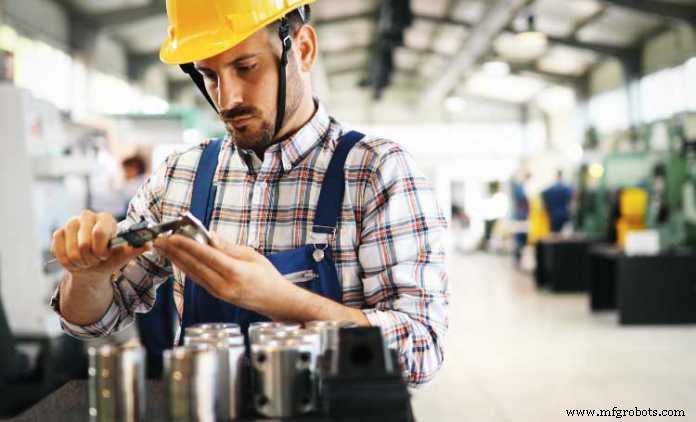
The process of manufacturing nylon custom cast parts consists of polymerising liquid monomers directly into nylon in a mould. Custom casting is an effective method to create parts featuring a wide array of thickness values and sizes, without affecting their internal soundness. Custom casting is the ideal alternative to injection moulding of thermoplastic parts and tooling from stock shapes. This method works best for small and medium production volumes, as well as for large parts that would be very expensive to manufacture using injection molud technology.
Here are a few of the most important advantages of custom casting by comparison to injection moulding and stock shapes machining:
- Good manufacturing solution to cater to small and medium series production volumes
- Ability to produce large parts that are too expensive to manufacture using injection mould
- Drastic reduction or even complete elimination of machining processes
- Better product performance
- Scrap reduction
- Opportunity to use special formulations
- Up to 40% material savings are possible
- Avoidance of long machining time that comes at a high cost
- Resulting parts feature better mechanical properties
- The creation of custom markings and special logos is possible
- The manufacturing of heavier parts is possible
- Significant decrease of tool investments
- Heavy cross-sections and wall thickness variations are easy to achieve
By comparison to machining stock shapes, custom casting provides the benefits of material savings, special formulations, better mechanical properties, elimination of expensive machining time, and even the creation of custom logos and markings. Take a look at https://www.plastechgroup.com/plastic-tubes/medical-tubes. This method suits the creation of heavier items (up to 200 kg) and of wall thickness variations and heavy cross-sections, with lower tool expenses by comparison to injection moulding.
Custom Casting Methods And Technologies
There are three types of custom casting:
1. Atmospheric Pressure Casting
This technology can manufacture parts without applying pressure from the outside. It suits low to medium production volumes, as well as parts featuring intricate designs with lots of details. This method keeps flow-induced tensions at a minimum, hence improving dimensional stability and allowing for larger cross-sections. The resulting parts are less prone to changing their shape during use.
2. Low-Pressure Casting
LPC can produce all the above-mentioned types of parts. In addition, it is the ideal method to manufacture bigger parts with thinner sections and complex shapes. The best production runs from an economical standpoint are 100-300 items.
3. Reaction Injection Moulding
Reaction Injection Moulding is a low-pressure custom casting method that uses specific additives to create parts with specific properties. This technology suits a wide array of items with different shapes, sizes, and properties.
Custom Casting Options
There are three main categories of custom casting options available:
1. Custom Mill Shape
This type suits the production of tod, sheets, or tubes in custom sizes.
2. Near Net Shapes
This type creates castings slightly larger than their finish dimensions that undergo a machining process.
3. Cast To Size
This type makes items complete or nearly finished dimensions. Some of these parts may require machining, others may not require any additional operations.
Industrial Technology
- Precision CNC Machining for Custom Parts – Fast, Accurate, Tailored Solutions
- Top 5 Benefits of Custom Metal Fabrication
- Casting vs 3D Printing: Choosing the Right Manufacturing Method
- Proven Casting Techniques to Enhance Efficiency and Safety
- Premium Custom‑Fabricated Repair Parts for Reliable, Cost‑Effective Solutions
- Urethane Casting vs. Injection Molding: Choosing the Right Manufacturing Method
- Discover 5 Key Advantages of Urethane Casting for Efficient Production
- Die Casting: Key Benefits and Drawbacks Explained
- Aluminum Die Casting Explained: Precision Part Manufacturing
- Top Benefits of Roll Forming for Custom Metal Parts