



Understanding Supply Chain Management: Key Concepts & Benefits
A Definition of Supply Chain Management
Supply chain management (SCM) has become “a highly sophisticated, technology-dependent, and collaborative discipline that combines the business functions of purchasing, operations, inventory management and warehousing, customer service, and logistics (source).” Supply chain management professionals focus on managing the flow of goods, information, and revenue while surpassing customer expectations and keeping costs to an absolute minimum.
Supply chain management involves three levels of decisions: 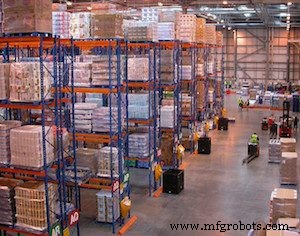 strategic, tactical, and operational. Strategic decisions refer to long-term decisions that relate to location, production, inventory, and transportation. Tactical decisions involve medium-term decisions including weekly demand forecasts, distribution and transportation planning, production planning, and materials requirement planning. Finally, operational decisions are the day-to-day decisions that are part of typical managerial duties. Overall, the goal of supply chain management is to reduce inventory to keep costs low while ensuring products are available when needed. Sophisticated software systems are making supply chain management easier.
Types of Flow in Supply Chain Management
There are three main flows of supply chain management: the product flow, the information flow, and the finances flow.
- The Product Flow – The product flow involves the movement of goods from a supplier to a customer. This supply chain management flow also concerns customer returns and service needs.
- The Information Flow – The information flow centers on transmitting orders and updating the status of delivery.
- The Financial Flow – The financial flow involves credit terms, payment schedules, and consignment and title ownership arrangements.
Supply Chain Management Software Systems
Supply chain management software (SCMS) refers to the software tools or modules that are used in completing supply chain transactions and managing supplier relationships. SCMS also help to control the business processes associated with supply chain management. Supply chain professionals use supply chain management software to identify the activities that can reduce and eliminate non-value-added activities. These lean practices help supply chain managers deliver products and services to market more quickly and cost-effectively and with better quality to gain an advantage over less efficient competitors.
Benefits of Supply Chain Management Software
The most effective supply chain management systems help businesses reduce waste, keep overhead costs at a minimum, and diminish shipping delays. Supply chain management software provides value to companies by providing smooth planning and execution of operations for profitability. SCMS offers complete visibility across the entire supply chain and allows managers to monitor the status of activities across suppliers, plants, storage facilities, and distribution centers. Effective tracking and management of these related processes and mission-critical activities aids supply chain managers in recognizing inefficiencies and potential issues and correcting them before they grow. Overall, SCMS helps to improve the entire supply chain network.
Other benefits of supply chain management software include minimizing delays, enhancing collaboration, and reducing costs.
- Minimized delays – Supply chains that do not utilize SCMS often experience delays that lead to poor relationships and lost business. Late shipments, slowed production lines, and logistical errors in distribution channels negatively affect a company’s ability to satisfy customer demand for products. SCMS enable supply chain professionals to coordinate all activities and ensure improved delivery times.
- Enhanced collaboration – SCMS enhances collaboration by helping
 suppliers, distributors, and supply chain managers to know exactly what is happening at all times. SCMS allows participants to dynamically share vital information in real time to ensure supply chains run as efficiently and smoothly as possible.
 - Reduced costs – SCMS helps reduce overhead expenses by improving inventory management, enabling effective demand planning, improving relationships with vendors and distributors, and more.
Supply chain management is key to managing the flow of products, information, and finances. Effective supply chain management improves product quality and order turn-around times. Supply chain management professionals also ensure streamlined operations that keep costs to a minimum. Top supply chain managers mitigate risks and give businesses a competitive edge in the marketplace by utilizing supply chain management software.
Recommended Reading on Supply Chain Management
For more information on supply chain management, visit the following articles:
- Top Supply Chain Management Conferences: 50 Events on Supplier Management, Risk Mitigation, and More to Attend in 2016
- Top Supply Chain Management Degrees
- Data: A Key Ingredient in Supply Chain Optimization
- Warehouses are Key to Supply Chain Efficiency
- How to Manage Supply Chain Risks
Images via Flickr by Nick Saltmarsh and ganderssen1
Industrial Technology
- Elevate Your Supply Chain: A Strategic Management Blueprint
- Key Aerospace Supply Chain Challenges Every Stakeholder Should Know
- Supply Chain Management vs. Logistics: Understanding Key Differences
- Strategic Supply Chain Transformation for SMMs in a Post-Pandemic World
- Streamlining Clinician Workflows with Advanced Supply Chain Management Systems
- Unlocking Supply Chain Efficiency: 5 Proven AI Strategies
- Best Supply Chain Management Degrees for a Competitive Edge
- Asset Management Explained: Optimizing Asset Value and Compliance
- Mastering Supply Chain Management: A Comprehensive Guide
- Streamlining Manufacturing Supply Chains: 7 Proven Strategies for Simplicity and Efficiency