



Expert Guide to Maintaining Industrial Air Compressors
An industrial air compressor makes for significant investment for any company and is key to ensuring your operations continue to run efficiently and in a productive manner. Top on your annual list of maintenance tasks should be to keep the air amplifiers in peak operating condition.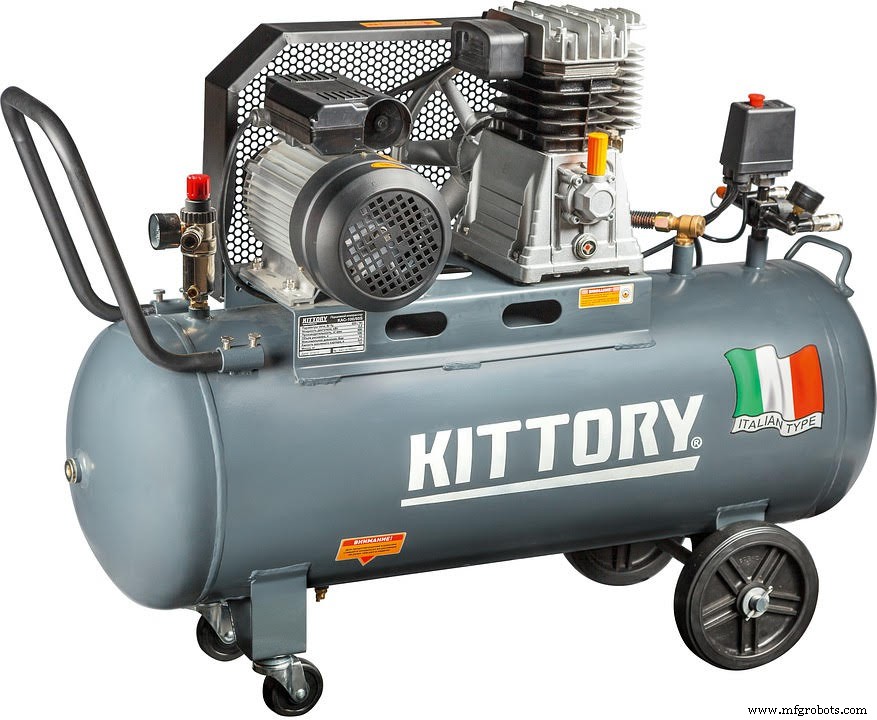
As luck would have it, air compressors don’t require a lot, in terms of finances or maintenance resources for you to keep them operational. However, taking it upon yourself to conduct routine adjustments, checks, cleanings, and tests will help in keeping the gas and air compressors in good condition. Benefits you stand to gain will include:
- Operator Safety: Confirming the compressor filters are clean and that its numerous parts are clean and well-lubricated serves to reduce vibration and heat. It also ensures the compressor will not malfunction and injure its operators.
- Maximum Uptime: Preventive and scheduled maintenance activities are meant to reduce its operating downtime. This means the facility will continue to hum along as usual as it takes part in income-generating tasks.
- Longer Life: There’s no cheaper insurance policy than proper maintenance of your air compressor. Willingly spending a small amount each month assists to mitigate against catastrophic failures in the future which may cost a tidy sum in replacement and repair costs.
- Energy Efficiency: A properly tuned air amplifier is an efficient industrial air compressor. The compressor won’t need much energy for it to carry out its functions. The money you save can go towards building your operations.
Maintenance Tips for Air Amplifiers
Filtration: Protects Against Contaminants
Every lungful of air you breathe in contains millions of tiny dirt particles. The mucus and cilia membranes in your nose are tasked with ensuring the dust particles don’t go into areas where they may cause harm. On the other hand, the contaminants present in ambient air tend to become problematic when dealing with compressed air.
Abrasive solids, water vapor, and other harmful items get tightly squeezed to create masses capable of causing valves to malfunction, obstruct lines, and cause harm to air compressors. The amplifiers are also capable of releasing unhealthy bits and unleashing oils into the airstream.
If they are not properly checked, the internal pollutants and the atmospheric pollutants can greatly hamper the efficiency of the air compressor. With time, they may cause premature parts replacement and increased energy consumption. As such, there’s a need to remove them from the compressed air during and before use.
- Inlet Filter Cartridges: Weekly cleaning of the inlet filters following the recommendations provided by the manufacturer helps to enhance efficiency.
- Air Line Filters: They serve as obstacle courses and assists in trapping aerosols and vapors.
- Drain Traps: Drains are likely to fail when dirt, rust, and scale contained in the liquid begin to condense and begin attaching to the traps.
- Oil Filters: Under moderate conditions, a filter can last for up to six months. It’s recommended to replace it annually or after every 1,000 operational hours.
Ensure Lubrication Is Working Optimally
The purpose of oiling the air amplifiers is to reduce friction between the various movable parts. Oil also plays an important role in mitigating the generation of heat in the air compression chambers. This is in addition to cleaning contaminants and particles as well as creating air-tight seals in all the movable parts.
Over time, these activities will cause the oil’s viscosity to break greatly reducing its efficiency. While there are numerous things you can do to assist the lubricant perform its job, a time will come when it will need to be changed. But before this happens, it’s possible to keep it functional by:
- Selecting the Right Oil: Check the guidelines provided by the air compressor manufacturer to determine which oil to use when trying to lubricate the amplifier. Long service life and high product quality are only guaranteed when you use the oils listed in the manufacturer guidelines.
- Prevent Excess Oil Use: Having to top up the lubricant more often means there’s trouble brewing on the horizon. It could mean you are faced with oil leakage, curtailed cycle times, and ambient temperature problems. Running the amplifier with no to little lubricant will cause its components to prematurely burn out.
- Use Recommended Amounts: The air compressor automatically expels small amounts of oil via its automatic drainage system. some oil is also lost through its air-intake valves. It’s important to regularly replenish the lost amounts in between making the oil change. Use the sight glass or the oil dipstick to check the oil levels each day before you start using the amplifier.
Commit to Frequent Inspections
A visual check to ascertain the condition of the air compressor can allow you to unearth potential problems before they require costly replacements or repairs. You need to commit to adhering to the maintenance schedule recommended by the manufacturer. It’s a schedule that calls for you to do more than regularly change the lubricants and the oil filters.
Every so often, the schedule will require you to check the connectors, tubes, fittings, and valves. This may require some adjustment after the amplifier has been in use for a while. Areas requiring detailed inspections will include:
- Oil Leaks: Oil leaks may be the reason why the oil levels in the compressor are diminishing at a fast pace. It could be leaking from a compromised gasket, an unsecured connection, a worn-out seal, or from a damaged mating surface. Ensure worn heals are replaced immediately as poor or limited lubrication will cause corrosion, friction, and heat. Insufficient piston ring sealing, on the other hand, will lead to excessive crankcase pressure.
- Air Leaks: An air leak causes the air compressor to become inefficient as it begins to produce reduced amounts of pressure. Check the point of source equipment, valve seals, connections, hoses, and gaskets to establish where the leak is happening. Always take care not to alter, disturb, or manipulate a fastener or connection when it’s under pressure. Such a move is likely to result in serious bodily harm and/or death.
Check Temperature Stabilization
Compressing any air meant for industrial use often results in the production of heat. Where the efficiency and lifespan of an air compressor is concerned, heat is the ultimate enemy. An industrial amplifier employs numerous systems to assist it to displace heat as well as stabilize the temperature around all the delicate parts.
Around 80% of the heat used up by an air compressor gets transformed into heat. Frequently cleaning the cooling components in the amplifier allows the system to ensure a rise in temperatures will not affect its performance. The surrounding temperature has an impact on the operating temperatures. Therefore, as the readings in the thermometer start to rise, pay closer attention to the amplifier’s lubrication status. It’s the fastest way to make certain it will not rise past the levels recommended by its manufacturer.
If dealing with water-cooled units, regardless of whether they are closed or open circulation, make it a point to closely monitor their water supply levels. This means checking the temperature of the source water (especially during the hot summer months) and its alkalinity levels. While at it, also check for the presence of dissolved solids and chemical additives.
Whether dealing with water or air-cooled compressors, maintaining related components such as cooling towers, heat exchangers, and aftercoolers, as well as changing its filters is central to ensuring it doesn’t experience premature wear and tear. It’s also the key to protecting your investment and making sure your operations will not grind to a halt.
Industrial Technology
- Comprehensive Maintenance Contingency Planning for Manufacturers: Boost Resilience & Reduce Downtime
- Essential Industrial Maintenance Tools for Mechanics: Boost Reliability & Efficiency
- Mastering Preventive Maintenance: Boost Equipment Lifespan & ROI in Manufacturing
- Essential Winterization Guide for Air Compressors: Protect Your Equipment from Cold Damage
- Key Strategies for Maintaining and Repairing Air Compressors
- Essential Maintenance Benchmarking: A Step-by-Step Guide
- Mastering Maintenance Management: Boost Efficiency & Control Costs
- Strategic Planning for Your Air Compressor’s Maintenance Budget
- Three Expert Tips for a Seamless Compressor Installation
- How to Budget for Air Compressor Maintenance: A Comprehensive Guide