



ESD Protection: Designing an Anti-Static Environment for Electronic Devices
Security issues should always be a particular concern when dealing with electronic devices. Would you like to design ESD protection? What should you pay attention to in that case?
Check out this article and learn all the details. In this paper, we will introduce the design, function, and effect of this device.
What Is ESD?
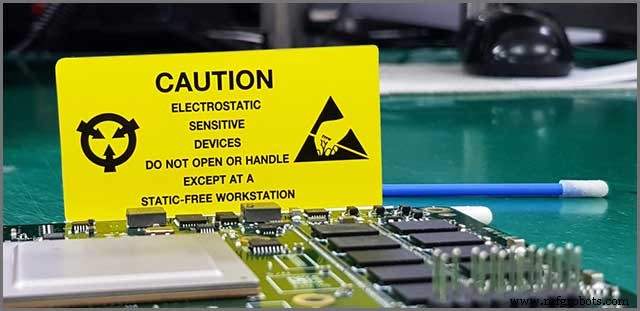
The abbreviation ESD stands for two things. The first one is an electrostatic-sensitive device, which marks any electrical component that static charge can damage. Semiconductors and non-conductors, such as tools and people, transfer this charge.
Some common devices include computer cards, LEDs, laser diodes, MOSFET transistors, and resistors.
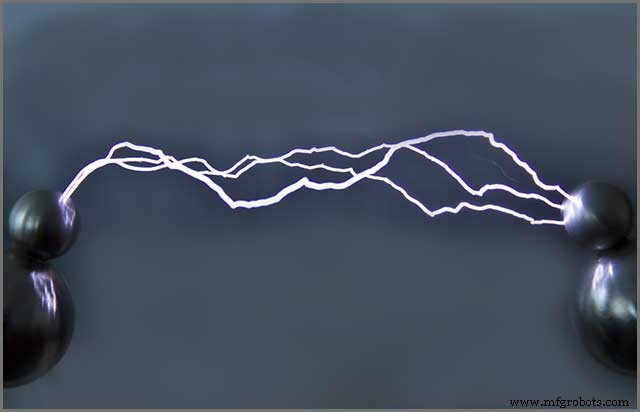
You may also encounter that ESD describes electrostatic discharge. It is unexpected electricity surged that occurs when two objects with electrical charge get in touch, or an electrical short happens.
How to Choose ESD Protection
You should follow several steps when deciding on ESD protection. The initial move is to establish the working voltage of your ESD diode. Next, you want to choose between a bidirectional and unidirectional diode.
Once you do that, proceed to choose the diode’s maximal capacitance. When deciding this capacitance, make sure to keep in mind that there should be no interfering with the signal of the interface. Now, choose a clamping voltage that you will need to keep the system safe from electrostatic discharges.
Finally, you should inspect if your diode has a rating of IES 61000-4-2 level 4 as you need a 15kv air gap and an 8kv contact.

How to Plan the ESD Electrostatic Protection Device
If you are planning to protect an electrostatic-sensitive device from ESD damage, here are the steps to follow:
- Consider what you want to protect – not all devices have the same needs when it comes to protection from electrostatic discharges. If you have multiple devices in the area, you want to consider the most sensitive ones. Analyze the voltage they can withstand, and ensure to protect the area accordingly.
- Are there any industry standards? – The next thing to consider is the standard in your industry. These can apply to manufacture, installing, packaging, and other processes.
- Pick the desired grounding method – you can use protective earth for grounding, or a functional ground. Alternatively, you can go with equipotential bonding, which implies using a joint connection point.
- Don’t forget staff grounding – each member that enters the area should wear appropriate clothes, footwear, and wrist straps.
- Border ESD area – you want to mark the area where you plan to work with an electrostatic-sensitive device clearly. Nobody should enter without proper equipment, and you may even consider access point control.
Consider storing and packaging plan – you want to store the devices in a safe environment, too. Before they leave the area, you should consider how to pack them so that they remain shielded from potential damage.
How to Set ESD Protection During SMT Assembly
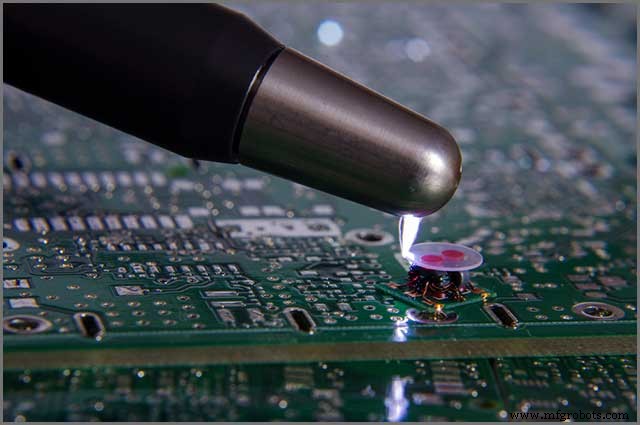
The tricky thing about electrostatic discharge is that it can cause damage without you even noticing. The electricity surges that humans might not even feel may be enough to ruin the product.
If you want to keep your SMT assembly safe from ESD damage, you should start by securing the most sensitive sections. By identifying where electrostatic might happen, you can come up with the steps necessary to prevent it.
The approach you want to take is to see where the ESD forms, and keep it under control. You do that by following all the steps we mentioned in the previous chapter. That means you should use anti-static PVC to cover floors, and the same goes for paints used in the room. Anyone who enters should also be properly dressed. The experts recommend keeping any object that might cause significant electrostatic far from the SMT assembly.
How Do We Create an Anti-Static Environment for ESD
The best way to understand how to make an anti-static environment is to use an example. That is why we will use LED products now. They are sensitive to both voltage surge and static electricity, and these may affect their performance and reliability.
The first thing you want is to ensure that the static charge won’t appear in the area where you are working on your device. That is why it is vital to choose conductive materials for floors, stocks, workbenches, and any other objects in the area.
It is also important to ground tools and machines, as well as use conductive clothes and shoes. You can also eliminate static charge by wearing wrist straps or setting up an ESD mat.
If you plan to use plastic and glass for machines and tools, please note that they are insulating materials. That means you can expect a static charge, and you need to dissipate it by using conductors.
Additionally, you need to maintain an environment with low humidity. Humidification boosts static buildup, and that’s something you want to prevent. Using ionizers is also an excellent way of neutralizing electric charges.
5.1. How to Measure If LED Has Been Damaged by ESD?
If you apply low electrical current (up to 1mA) to LED products and measure the forward voltage, you can determine if there is damage from electrostatic discharge. Imagine that the current you apply is 0.5mA. That means the forward voltage shouldn’t be bigger than 2V. However, this can vary depending on LED models.

Other ESD Considerations
Once you created an anti-static environment, it is vital to maintain it. If you are working with sharp materials, putting them on the floor may cause scratches or holes. That can lead to discharges and cause damages to your application.
Apart from keeping the floors scratch-free, you should clean them regularly. Dust can also cause problems, so make sure to keep everything in order.
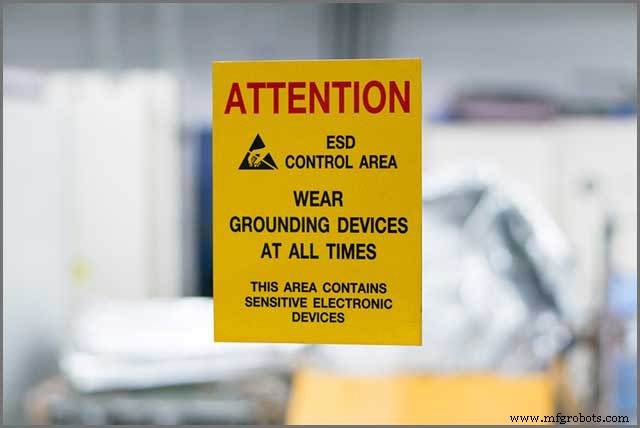
Finally, it is vital to hang proper warnings on the outer side of the ESD area. You don’t want anyone to enter by accident and ruin the environment, which is why the signs should be clear.
Summary
Electrostatic discharges are a big problem for electronic components. They can affect the products’ performance and longevity, which is why it is imperative to create an anti-static environment. That is not an easy job, but as long as you do it right, you can maximize each component’s potential and lifespan.
Industrial Technology
- Optimal Frequency for Equipment Inspections: A Practical Guide
- Electric Trucking: Driving Environmental Change
- Investing in Tech: How Logistics Providers Can Modernize Operations
- Mastering Warehouse Emergency Preparedness: A Comprehensive Guide
- Using Polyurethane Coatings to Safely Dissipate Static and Prevent ESD Damage
- Shield Your SMT Assembly: Proven Strategies to Prevent ESD Damage
- Choosing the Right IC Packaging: A Guide to Types and Selection Criteria
- Protect Your MOSFETs: Expert Guide to Reliable Circuit Protection
- Optimizing Plastic Anodizing: Advanced Methods for Superior Finish and Performance
- Mastering PCB Interference Mitigation: A Professional Guide to Ensuring EMC Compliance