



Rain Sensors: Their Importance and How to Build One Yourself
Meteorologists use pyranometers, wind speed devices, rain gauges, water vapor meters, and rain sensors to detect and predict weather conditions. However, you don’t have to be a meteorologist delivering the weather forecast to utilize some of these tools. For instance, anyone can benefit from the use of rain sensors.In fact, you can design and build a rain sensor of your own for your next DIY electronics project. This guide will explore what rain sensors are and how you can use them in practical
What is a Rain Sensor
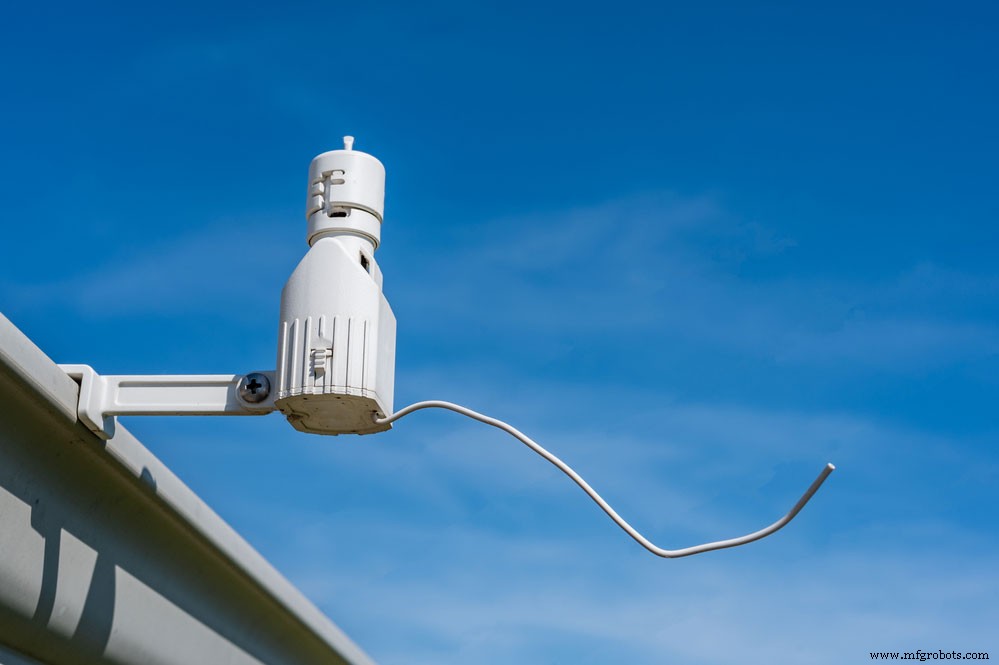
Rain Sensor
A rain sensor (AKA rain switch) is a device we ordinarily use to detect rain. Usually, we use it in or as a switching device. But what are switching devices? Switching devices are apparatuses that open or close electric circuits based on some input. You can find hydraulic, mechanical, pneumatic, or electrical type rain sensors.
Since the actuation of a rain sensor occurs because of rain, it usually comes as a hydraulic or mechanical switching device. However, you can find many different types. It depends on the application where you use the rain sensor.
Nevertheless, the two primary uses for rain sensors are in automatic irrigation systems and water conversation systems. We’ll go into greater detail further down this guide. But first, let’s explore how a rain sensor works.
How Does a Rain Sensor Work?
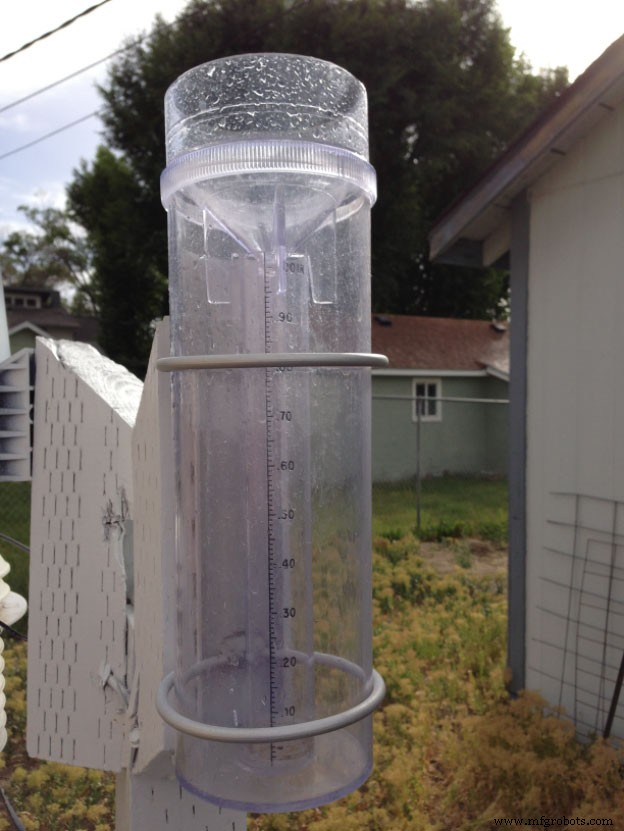
Plastic gauge based rain sensor
Source: Wikimedia Commons
As we’ve explained earlier, there are different types of rain sensors, and they function quite differently. Of course, this is dependent on their applications. Currently, the most popular modern rain sensor mechanism is the expansion disk.
The rain sensor sits outside. As soon as it gets wet, the expansion disk inside grows. The rain sensor will then send a signal to a controller. The controller will facilitate another function, e.g., turn sprinklers on or off. The expansion disk usually consists of cork or wood encased in a plastic or waterproof material with conformal coating.
Traditionally, we have always used rainfall collection cups in our rain sensors. A cup collects rainwater, and when it reaches a certain level, it will send a wireless (usually) signal to a controller. However, this design has always been quite rudimentary and prone to error. For instance, the cup may collect non-rain debris, insects, dirt, and leaves.
However, these aren’t the only two types of rain sensors. We’ll explore more in the next section.
Types of Rain Sensors
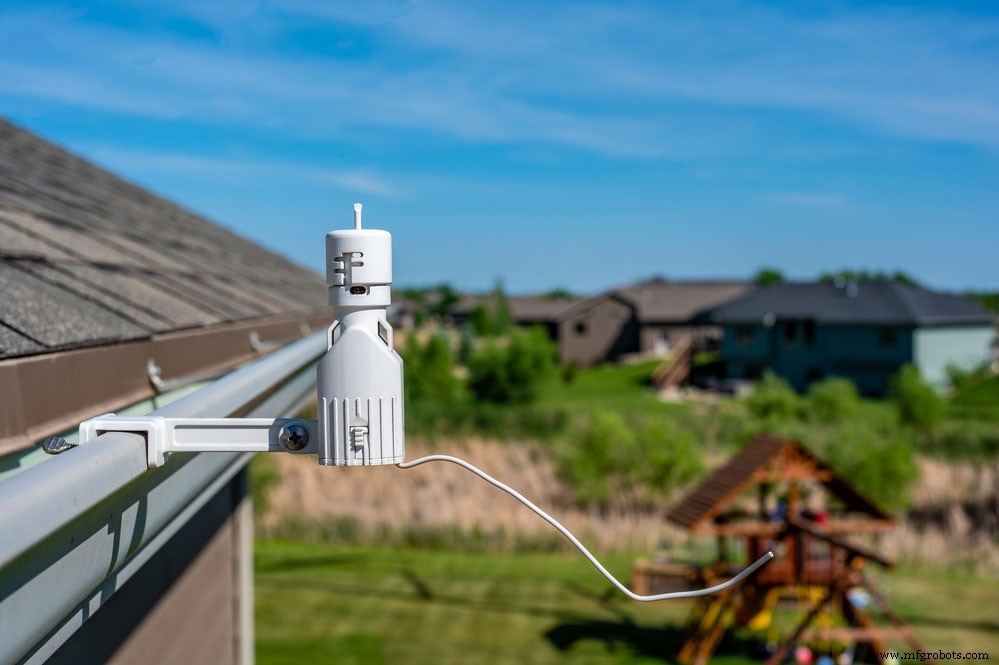
Wireless Sprinkler Rain System
- Water Weight Rain Sensor: Uses a dish or collection cup to collect water. It sends a signal to the main controller when the water level reaches a certain point.
- Electrical Conductivity Rain Sensor: Uses a dish or collection cup to collect water with electrodes inside. Afterward, it sends a signal to the main controller when the electrodes connect with the water in the collection container.
- Expansion Disk Rain Sensor: Uses cork or wooden hygroscopic disks that sit inside a housing. The housing allows a trickle of water inside it, which causes the disk to expand. When the cork disk expands, it sends a signal to the main irrigation controller or shut-off device.
- Infrared Rain Sensor: We generally utilize them in automatic windshield wipers. This type of rain sensor uses an infrared light beam at a 45-degree angle. Rain will hit the windscreen and interrupt the light beam, turning the windshield wipers on.
- Wireless Rain Sensor: These sensors can either use a water weight or expansion disk system. They communicate to the controller through antennas and radio waves.
- Wired Rain Sensor: These sensors can also either use a water weight or expansion disk system. However, in contrast to wireless rain sensors, they connect to the main controller through wires.
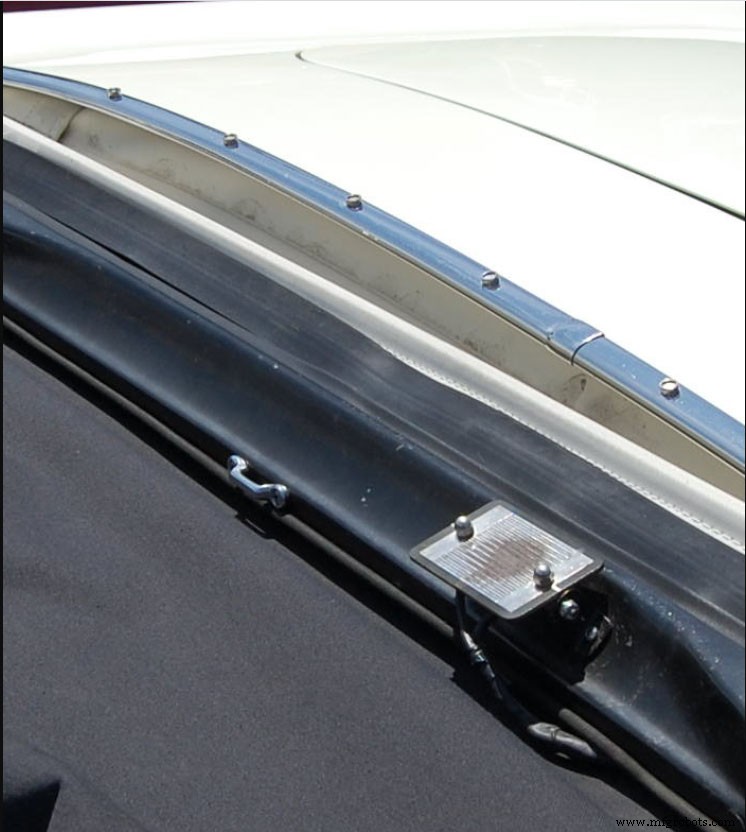
Motor vehicle rain sensor
Source: Wikimedia Commons
Benefits of Rain Sensors
There are many obvious benefits and advantages of rain sensors. For instance, they’re particularly useful in flood detection. In this section of the guide, we’ll explore what other benefits rain sensors have.
- Water Conservation: If you’re environmentally conscious (eco-conscious), you may benefit significantly from using an irrigation rain sensors of some type. As such, you can stop and start a watering cycle based on the level of your rain gauge. This will prevent your automatic sprinkler system from activating when it’s unnecessary (during rain).
- Cut Costs: Using a rainfall sensor won’t only benefit the environment; it can benefit your pockets too. You can save money on your monthly water bill as well as prevent damage from overwatering.
- Convenience: Using a dedicated sensor in your automatic wipers, irrigation, or even pool system can be very convenient. Furthermore, it can save you time and ensure or increase safety. You won’t have to monitor and switch on these devices manually. Accordingly, they can replace a traditional electrical switch.
Help Preserve Equipment: Because you’ll be using your irrigation or sprinkler system more sparingly, it will help them last longer. Likewise, your automatic wipers will also last longer as they’ll only switch on and off when you need them.
Applications
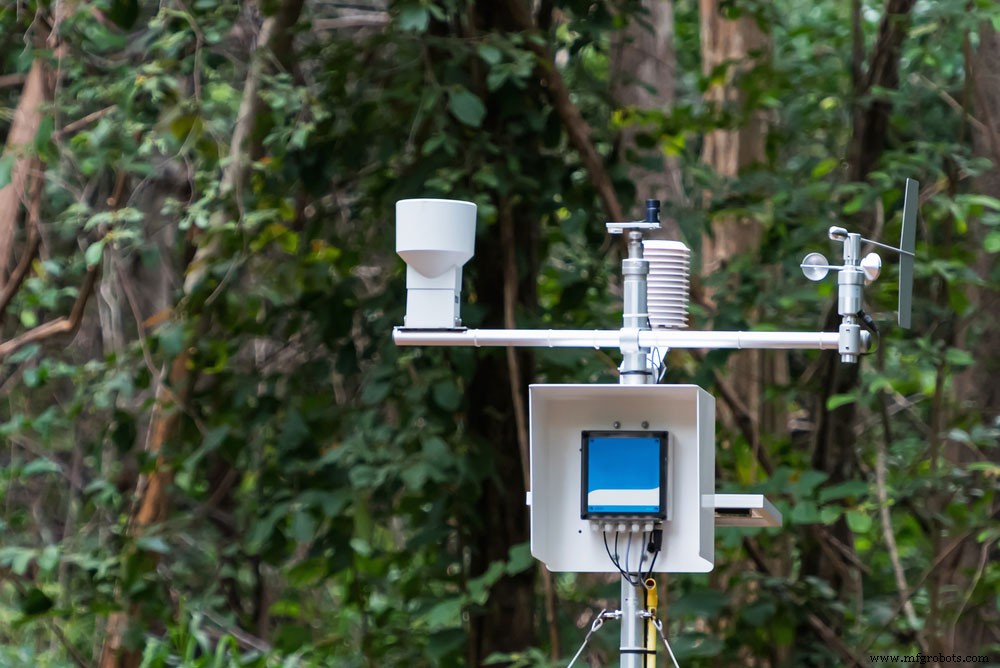
High-altitude weather station with rain sensors
In this section, you’ll find a list of applications for rain sensors.
- Commercial Irrigation Systems
- Private Irrigation Systems
- Automatic Windshield/Wind Screen Wipers
- Pools
- Weather Detection Systems
- Flood Detection and Prevention Systems
Recommend Rain Sensors
- Rain Bird Rain and Freeze Sensors
- Toro Sprinkler System Rain Sensors
- Orbit Sprinkler System Rain and Freeze Sensors
- Hunter Sprinkler Rain Sensors
- RainMachine Rain Sensors
- Irritrol Wireless Rain Sensors
While the above are some of the most popular rain sensors brands, it’s okay to try a more affordable brand if you can find one. rain sensors from any brand can still benefit you highly. In fact, you can create your very own Arduino rain sensor using a rain detection plate.
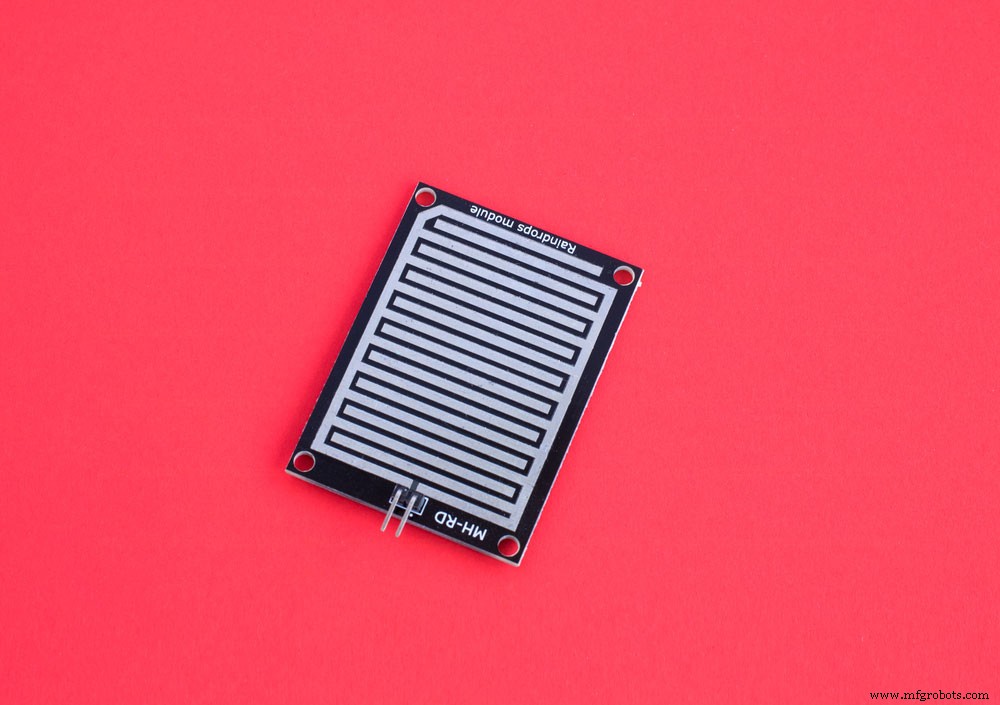
Arduino raindrops detection sensor
FAQS
Does My Car Have a Rain Sensor?
Not many vehicles have built-in rain sensors – especially older models. However, the biggest clue as to whether or not your car has a rain sensor is if the windscreen wipers turn on automatically when there’s rain. Additionally, you can identify the rain sensor by looking behind the rearview mirror.
If there’s a square-like or rectangular gel pad stuck to the interior of the glass, then you most likely have a rain sensor in your car. Alternatively, you can read your car’s manual to determine if your car has a rain sensors.
Why is My Rain Bird Rain Sensor Not Working?
There could be numerous reasons for your Rain Bird sensors not working. For instance, if it’s a water weight-based rain sensors, it may not have enough water in the gauge to activate. To test the rain sensors, you can try to switch it on manually. Alternatively, your rain sensors switch may be set to OFF or BYPASS. Check the main controller and ensure that it isn’t in these positions. If you’ve tried to troubleshoot it and it still doesn’t work, maybe you need a bucket rain gauge replacement. You need to read your rain sensors manual or contact the manufacturer.
How To Attach Rain Sensors To Windshield?
A professional usually attach a windshield rain sensors behind your rearview mirror. The rain sensors comes in the form of a pad. In most cases, you’ll need to remove the entire windshield to install the rain sensors. This is why you should hire a professional to do it for you.
How To Install a Rain Sensor for Sprinkler System?
The rain sensor needs to be in a high place. It’s best to put it near or on your roof (but not its peak). Additionally, you should refrain from placing it near a tree. Alternatively, you can place it on polls or fixtures around your land or garden. You must install the rain sensors in an upright position, not slanted or too close to a wall. It needs to be able to capture rain or moisture from all directions. These are just a few things you should keep in mind.
How Does a Rain Sensor Work on a Sprinkler System?
A rain sensor in a sprinkler or irrigation system will detect rain or precipitation in the air and adjust your sprinkler system’s water cycle accordingly. So if your sprinkler system is on while it’s raining, the rain sensors will automatically shut it off.
Conclusion
A good alternative to conventional rain sensors is soil moisture detectors. They will detect precipitation or rain by measuring the moisture or dampness of your soil. Nevertheless, in this guide, we explored what rain sensors are. We covered the various types of rain sensors and discussed how each of them works. We hope that this guide can inspire you to integrate rain sensors systems into your vehicle or irrigation system. As always, thank you for reading.
Industrial Technology
- Evaluating IT Risk: Strategies, Frameworks, and Best Practices for Business Protection
- How Mobile Robots Can Drive Business Growth and Efficiency
- Makerspaces Explained: How Modern Manufacturers Gain Competitive Edge
- Revolutionizing Manufacturing: AR & IIoT Empower Workers & Boost Efficiency
- Unlocking Business Potential: The Key Benefits of Robotics
- Asset Tracking: Why It Matters & How It Works
- The Critical Role of Safety Procedures and Manuals in Product Development
- Gerber Files Explained: How to Create and Use Them for PCB Fabrication
- 1‑2‑3 Blocks Explained: Essential Tools for Precision Machining
- Essential Hydraulic System Components: Their Functions & Importance Explained