



CNC Machining: Mastering Steel Processing for High-Quality Parts
We all know that CNC machining is one of the best ways to produce parts. And most of the parts are made of steel. Then to change the properties of the steel and make it easier to machine, some additional treatments and processes are usually done before machining is complete.
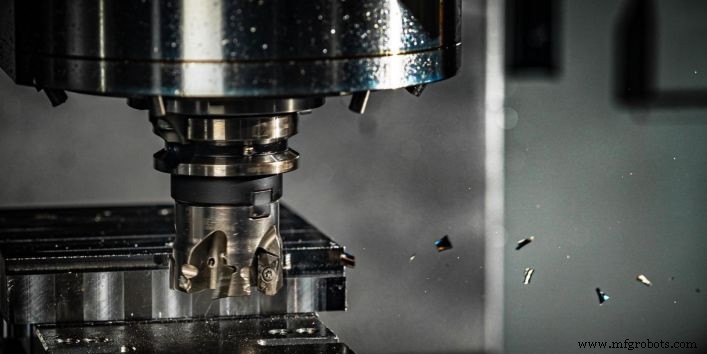
Hardening the material before machining increases machining time and tool wear, but the steel can be treated after machining to increase the strength or hardness of the finished product. So how is steel processed into steel parts using CNC machining? Below are 3 standard steel processing techniques.
CNC Machining of Steel Materials – Heat Treatment
Heat treatment refers to several different processes that involve manipulating the temperature of the steel to change its material properties.
Annealing is used to reduce hardness and increase ductility, making steel easier to work. The annealing process slowly heats the steel to the desired temperature for some time. The time and temperature required depends on the specific alloy and decrease with increasing carbon content. Finally, the steel is slowly cooled in a furnace or surrounded by insulating material.
Normalizingrelieves internal stresses in the steel while maintaining higher strength and hardness than annealed steel. During normalizing, the steel is heated to a high temperature and then cooled at a suitable temperature to improve the hardness of the steel.
Quenching, not only hardens the steel and increases its strength but also makes it more brittle. The hardening process involves slowly heating the steel, soaking it at high temperatures, and then rapidly cooling it by immersing the steel in a liquid such as water, oil, or brine solution.
Tempering can be used to relieve some of the brittleness that comes with steel hardening. Tempering of steel is almost identical to normalizing: it is first heated slowly to a selected temperature, and then the steel is air-cooled. The difference is that tempering is performed at a lower temperature than other processes, which reduces the brittleness and hardness of tempered steel.
CNC Machining of Steel Materials – Precipitation Hardening
Precipitation hardening increases the yield strength of steel. The main difference between precipitation hardening steels is that they contain elements such as copper, aluminum, phosphorus, or titanium, which not only increase the strength of the steel but also maintain sufficient toughness, a class of high-strength stainless steels, referred to as PH steels.
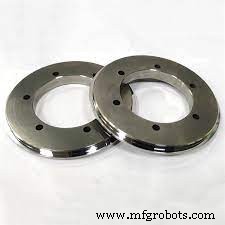
To activate the precipitation hardening properties, the steel is the first solution treated and then age hardened. The age-hardening process heats the material over an extended period, causing the added elements to precipitate — forming solid particles of different sizes — that increase the material’s strength.
17-4PH (also known as 630 steel) is a common example of a stainless steel precipitation hardening grade. This alloy contains 17% chromium and 4% nickel, and 4% copper, which aids precipitation hardening. Due to its added hardness, strength, and high corrosion resistance, 17-4PH is used in helideck platforms, turbine blades, and nuclear waste barrels.
CNC Machining Steel Materials – Cold Working
Changes can also change the properties of the steel without applying a lot of heat. For example, cold-worked steel is made stronger through the process of work hardening. Work hardening occurs when a metal undergoes plastic deformation.
This can be done intentionally by hammering, rolling, or drawing the metal. Work hardening can also occur unintentionally during machining if the cutting tool or workpiece becomes too hot. Cold working also improves the machinability of the steel. Mild steel is very suitable for cold working.
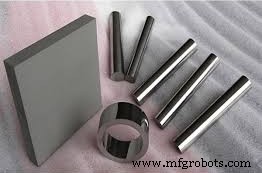
If you are making parts from steel, be aware of these things!
- When designing steel parts, it is important to keep in mind the unique properties of the material. Features that make it a good fit for your application may require some additional design for manufacturing (DFM) considerations.
- Machining steel takes longer than other softer materials such as aluminum or brass due to the hardness of the material, and you can protect your parts and tools by reducing spindle speeds and feed rates.
- When deciding which steel to use, not only hardness and strength but also differences in machinability must be considered. For example, stainless steel takes about twice as long to process as carbon steel. When deciding on different grades, it is also necessary to consider which properties are most important and which steel alloys are readily available. Common grades, such as 304 or stainless steel 316, are available in a wider range of stock sizes and require less time to find and source.
Industrial Technology
- Cut CNC Machining Costs: Proven Strategies to Reduce Time and Save Money
- Understanding CNC Machining Costs: Key Factors & Pricing Guide
- How Corner Radius Influences CNC Machining Accuracy
- How AI and Machine Learning Revolutionize CNC Machining
- Cut CNC Machining Costs: Proven Strategies for Precision & Savings
- Cut CNC Machining Costs: A Proven Guide for Beginners
- Boosting Workpiece Accuracy: Expert CNC Machining Strategies
- Choosing the Right CNC Machining Manufacturer: A Comprehensive Guide
- Cut CNC Machining Costs: Proven Strategies for Affordable Precision
- CNC Machining of Steel: 3 Essential Pre- and Post-Processing Techniques