



Explore RPU 70: Carbon’s High-Performance, Heat‑Resistant Rigid Polyurethane
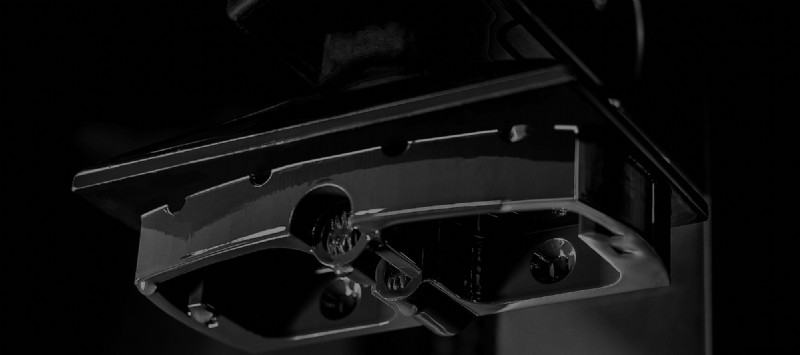
Rigid Polyurethane (RPU, a.k.a. RPU 70), a material developed by Carbon® for their Digital Light Synthesis (DLS) technology, can be classified as one of their most versatile rigid materials. Known for its toughness, strength, and ability to withstand heat, RPU 70 can be used across multiple industries including consumer products, automotive, and industrial. This stiff and strong material is comparable to ABS and also holds a UL 94 HB flame resistance classification.
Mechanical Specifications
Due to RPU’s strength, this material is best used for parts requiring rigidity, toughness, and moderate heat resistance. Here we have broken down some of RPU’s key mechanical specifications:
- Ultimate tensile strength: 45 ± 2MPa
- Elongation at break: 100 ± 20 %
- Flexural modulus: 1800 ± 300 MPa
- Flexural strength: 62 ± 9 MPa
- Heat deflection temperature @ 0.455 MPa/66 psi, ASTM D648: 70 °C
Read the Carbon RPU 70 technical data sheet for more information.
Why make parts with RPU 70?
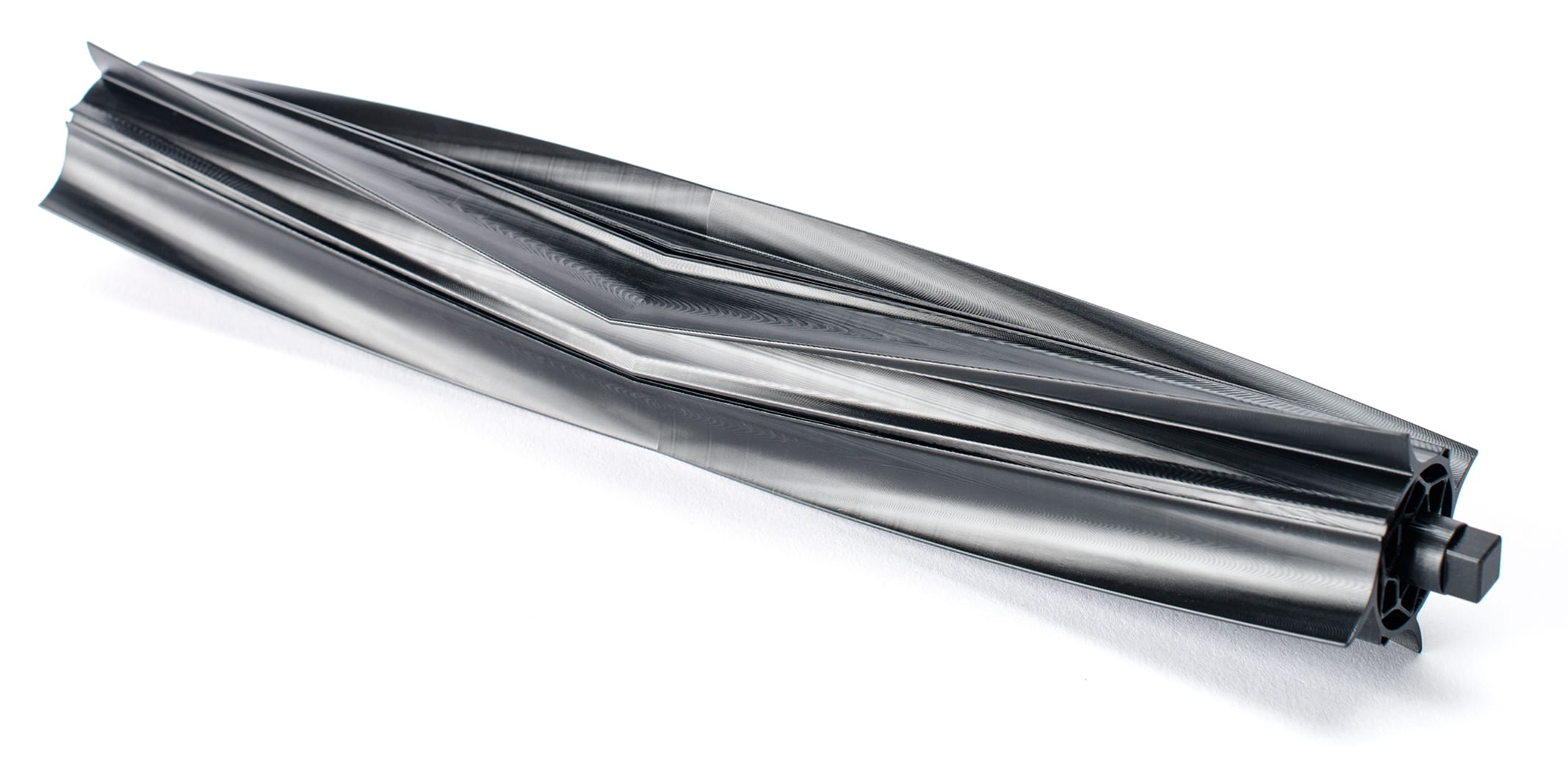
RPU can be used in various production-grade parts. Currently available in black, this material can provide an excellent surface finish and is ideal for smaller end-use parts, preferably ones that can fit in the palm of a hand. While larger parts are possible, they may require design optimization to account for support structures.
Cost is another reason to consider RPU. During its release in 2016, RPU cost $299 for 800mL (or $374 per liter). As of 2019, the cost of RPU has dropped by nearly 90 percent, making the cost of RPU $50 per liter. With additive materials growing in availability and key partnerships developing between leading materials providers, the cost of additive products will continue to fall across the board.
Popular Applications
Due to its similarity to ABS, RPU 70 is a good replacement for a few traditional materials including ABS and Polycarbonate – more specifically, polycarbonate injection molded applications requiring a strong, rigid, and durable material with moderate heat resistance. Because of this, popular applications for RPU 70 include housings, covers, clips, badges, and brackets across a broad set of industries. RPU works especially well for applications where some flex is required – more examples of this include snap-fits and latches.
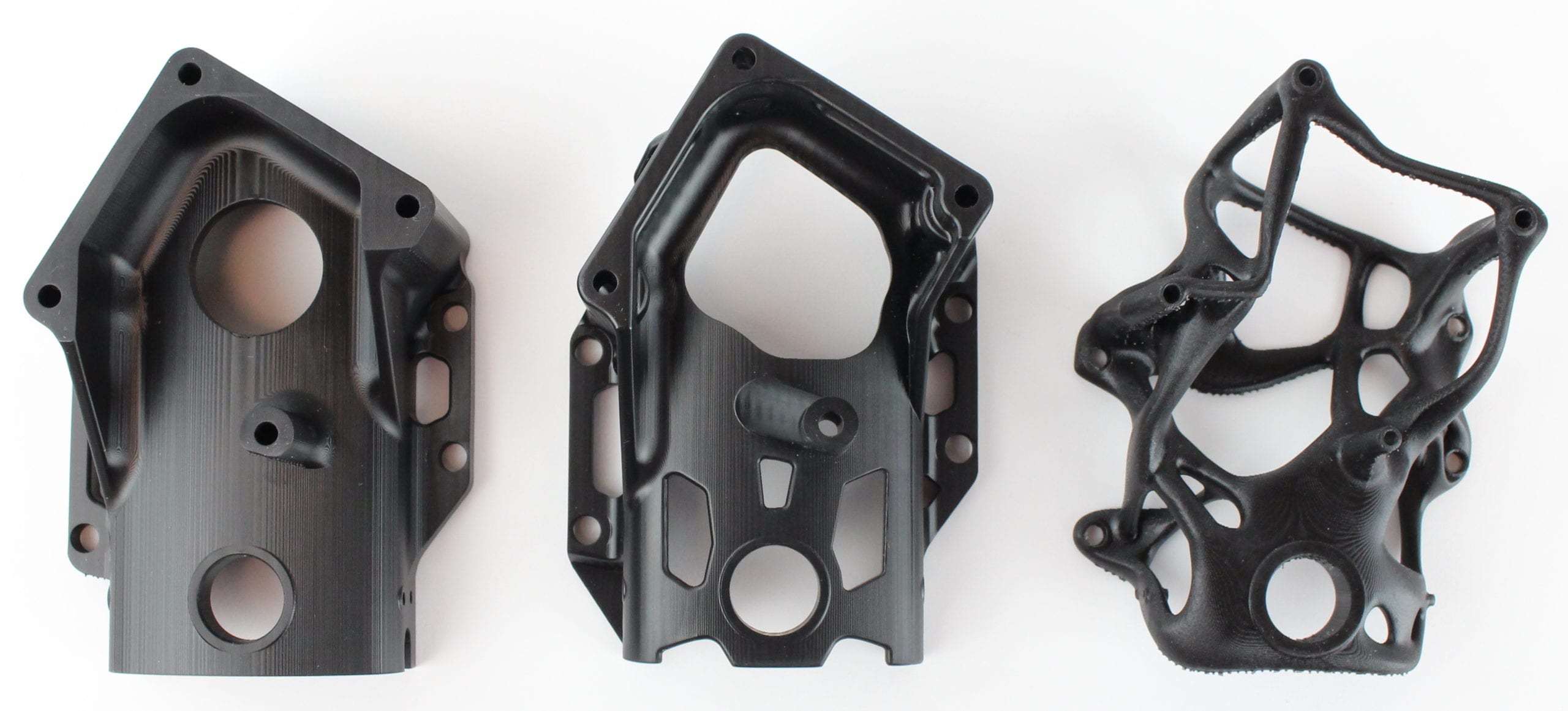
RPU’s diverse properties allow manufacturers to develop and print end-use parts not only more efficiently, but also more economically. Considered one of the most reliable engineering materials with good durability and strength, RPU is attractive for applications across a broad base of industries – making it one of the most versatile additive materials today.
Get started with RPU 70
Fast Radius strives to help you find the best material for your part. From application to discovery, we bring the future of manufacturing and supply chains to our clients. Contact our team today to learn more about RPU and discuss lead times or any other considerations you may have for your next application.
Interested in learning more? Be sure to check out our other materials articles including PA12 and EPU.
Ready to make your parts with Fast Radius?
Start your quoteIndustrial Technology
- Understanding Flexible Resin: Properties, Uses, and Best Practices
- Elastic Resin: Formlabs Silicone‑Like Material for SLA Printing
- Elastomeric Polyurethane (EPU): Key Features and Applications
- Exploring PA12 (Nylon 12): Properties, Applications, and Industry Insights
- MPU 100: The Premium Biocompatible Polyurethane for Digital Light Synthesis
- CE 221 – High‑Temperature Composite for Advanced Applications
- EPX 82: Carbon’s High-Strength Epoxy for Advanced Applications
- Discover SIL 30: Carbon's Biocompatible Silicone Urethane for Digital Light Synthesis
- Mastering Nylon: Properties, Uses, and Benefits in Engineering
- Polystyrene (PS) Explained: Types, Properties, and Applications