



Fast Minute: 3‑Axis vs 5‑Axis CNC Machining – Which Is Best for Your Parts?
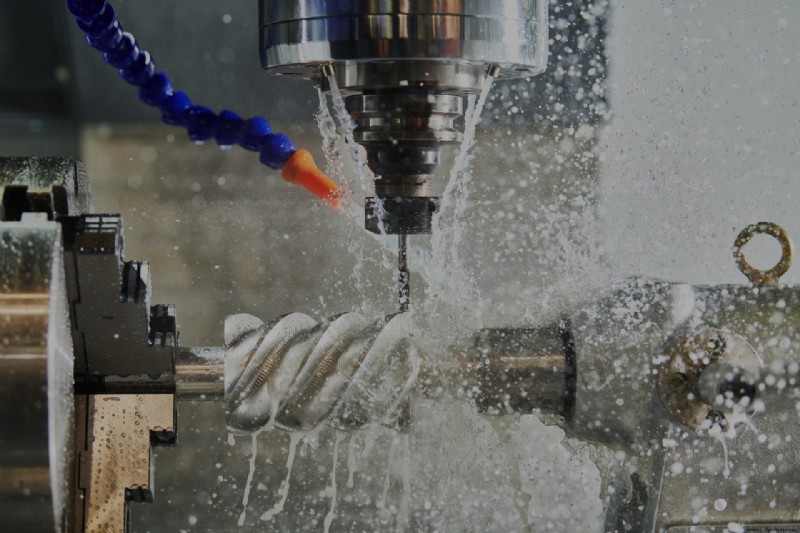
Part geometry, target cost-per-part, and other factors contribute to decisions about how to best make your part. In our latest Fast Minute video, Digital Sales Manager Gabe Smith runs through the differences between 3-axis and 5-axis machining and when to use each type of CNC machining.
Transcript:
Customers ask all the time if 3-axis or 5-axis machining is best for their project. Let’s break it down.
With 3-axis machining, the tool cuts along the X,Y, and Z axes. It can refer to turning — where the workpiece rotates and a lathe shapes the components, or milling — where a rotating cutting tool removes the material from the workpiece in linear directions.
If you only need to cut a flat surface, a 3-axis machine is the way to go. They’re less expensive and require less prep time.
With 5-axis machines, the tool moves along the X, Y, and Z axes and rotates around the A and B axes. This lets operators approach a part from all directions without having to reposition the workpiece between operations.
5-axis machining will give higher yields and greater accuracy. But 5-axis machining is more expensive because of the specialized equipment and need for expert machinists.
Still not sure if 3-axis or 5-axis machining is right for your project? We’re here to help.
Log into your Fast Radius dashboard to evaluate different manufacturing processes and materials and determine what’s best for your next project.
Ready to make your parts with Fast Radius?
Start your quoteIndustrial Technology
- Mastering 5‑Axis CNC Machining: Precision, Speed, and Industry Benefits
- 3‑Axis vs 5‑Axis Machining: What You Need to Know
- 4‑Axis vs 5‑Axis CNC Machining: Principles, Differences & How to Choose the Right One
- Upgrade Your Workshop: Transition from 3-Axis to 5-Axis CNC Machining for Superior Precision
- 3‑Axis vs 4‑Axis vs 5‑Axis CNC Machining: Key Differences Explained
- Exploring 5-Axis CNC Machines: RTCP Functions and Advantages over 3-Axis
- 3‑Axis vs. 5‑Axis CNC Machining: Key Differences Explained
- How 3‑Axis and 5‑Axis CNC Milling Cuts Production Costs
- Mastering 5-Axis CNC Machining: Key Benefits & Solutions
- CNC Machining Explained: 3‑Axis, 5‑Axis Indexed, and 5‑Axis Continuous – Which Is Right for Your Project