



Prevent Welding Defects with Verified Metals for Superior Quality
When you’ve carefully designed a product or structure, you don’t want to jeopardize its quality by using materials of questionable quality or origin. Consider the importance of the welding process; clearly, welding quality depends heavily upon the skill of the welder, their technique, and the use of the proper welding equipment. All of that, unfortunately, can’t compensate for welding problems and defects caused by poor-quality metals.
We know how tempting it can be to choose the cheaper option when it comes to metal, but we also know how this can cost you more money in the long run when the chosen metal is not of sufficient quality. But, what if there was a cheap option that also came with peace of mind?
When you’ve invested in welding skills and equipment, you want to be using certified or verified high-quality metals suited to the product design and purpose. Let’s look at some of the welding problems and defects that you avoid by using verified metals, and let’s look at how verified metal remnants can be a highly cost-effective option.
Welding Problems and Defects Related to Metal Quality
To produce a reliable product, the properties of the metal you use and the welding method should match the intended product design and stress calculations. Here, we’ll focus on some of the most typical welding problems and defects associated with poor quality metals. These are problems that can be avoided when using certified or verified metals.
- Cracks in welds – Boron is added to harden some carbon steels. Boron is also added to some stainless steel used in the nuclear industry. Knowing the percentage of boron added is critical to understanding the metal’s welding characteristics. Too much boron can cause welds to crack. Carbon and stainless steels manufactured without stringent quality standards may induce cracks that jeopardize your product’s performance and safety.
- Hot cracking – This occurs in the heat-affected zone (HAZ) when non-metallic substances (typically sulfides) in steel melt when heated by the welding arc. This forms layers of weakness that fracture under the thermal stresses of welding. Careful monitoring of the sulfur content of the steel, weld metal, and selecting the appropriate welding parameters can prevent this cracking.
- Inclusions – These are inherent in most metal production processes. Quality manufacturing processes do minimize inclusions to provide material consistency. Poor-quality steel contains an unacceptable number or concentration of inclusions. Inclusions jeopardize metal and weld strength when stressed, often leading to cracks local to the inclusions.
- Embrittlement – Weld quality depends on heat for proper weld penetration. Heat changes the metallurgy of the parent material surrounding the weld. Increased heat improves weld penetration. But, poor quality steel characterized by inappropriate steel chemistry results in a brittle heat-affected zone that is prone to cracking when stressed.
- Burn through – Aluminum alloys have lower melting points in comparison to other metals. With poor quality aluminum alloys whose melting points can differ from certified or verified alloys, you may risk the chance of burn through when you’ve set up the welding parameters for a specific alloy. Using verified or certified metal gives you added confidence in your weld parameters.
Any one of these problems or defects caused by poor metal quality can instantly turn an assembly into scrap. The later in the assembly process, the greater the cost of scrap. So how can you ensure you are not falling into these traps?
How to Ensure You’re Buying Top-Quality Metals
There are two proven methods to ensure you’re buying top-quality metals for your manufacturing processes. You can work with a supplier who carries new metal stock produced by established, reputable U.S.-based mills. With these sources, you’re assured of a product manufactured under the highest quality standards. These materials should be certified with mill test reports (MTR) that are available upon request.
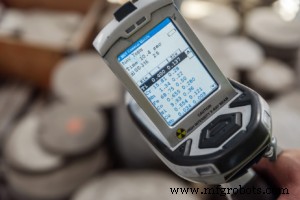
As an alternative to certified new metal stock, consider a supplier who carries an extensive inventory of top-quality metal remnants whose quality and composition are verified using x-ray fluorescent (XRF) analyzers. In seconds, a handheld analyzer verifies the composition of the metal, providing accurate details on its chemical elements and percentages.
In comparison to new metal stock, verified remnants can be purchased at a significant discount from the right metal supplier. And, if these remnants can be verified, you are assured you are getting exactly what you are paying for.
Choosing certified new metals or verified metal remnants from a reputable supplier is the surest way to prevent welding problems and defects that can jeopardize both product quality and your reputation.
Prevent Welding Problems and Defects by Working with a Reliable Metal Supplier
When you’ve made all the right investments in employing knowledgeable, experienced employees and acquiring the appropriate welding equipment to meet your production requirements, you shouldn’t have to worry about poor material quality. Eliminate the headaches of welding problems and defects caused by substandard metals by buying your aluminum, carbon steel, stainless, titanium, and other specialty metals from a trustworthy, reliable metal supplier.
Industrial Technology
- Common Casting Defects in Metallurgy: Causes & Prevention
- 9 Welding Issues You’ll Encounter – Expert Fixes & Prevention Tips
- Metal Inert Gas vs. Metal Active Gas Welding: Key Differences Explained
- Essential Welding Tools & Equipment for Beginners: A Comprehensive Starter Guide
- Sheet Metal Welding: Techniques, Benefits & Expert Tips
- Metal Fabrication vs. Metal Welding: What Sets Them Apart?
- Understanding Welding: Processes, Techniques, and Industrial Applications
- Welding vs. Metal Fabrication: Understanding Key Differences
- Expert Metalworks & Welding Services in Evansville, Indiana
- Why a Career in Welding & Custom Metal Fabrication Is Rewarding: Skills, Growth, and Certification Opportunities