



Accelerating Digital Transformation in Manufacturing: Roadmap, Challenges, and Benefits
 What is Digital Transformation?
Digital transformation leverages modern technology—IoT, AI, cloud, and analytics—to redesign business processes, enhance workplace culture, and deliver superior end‑user experiences. The goal is to adapt swiftly to evolving technology, market demands, and operational requirements.
Across manufacturing, it extends beyond operations to sales, marketing, and customer service, unlocking new value streams and improving stakeholder engagement.

The relevance of digital transformation in manufacturing
PWC predicts that 86% of manufacturers will achieve cost reductions and revenue gains through digitization over the next five years.
Manufacturing is uniquely positioned to harness digital tech, boosting supply‑chain efficiency, productivity, and safety. As more firms adopt Industry 4.0, traditional supply chains transform into dynamic, data‑driven ecosystems.
THE OUTCOME
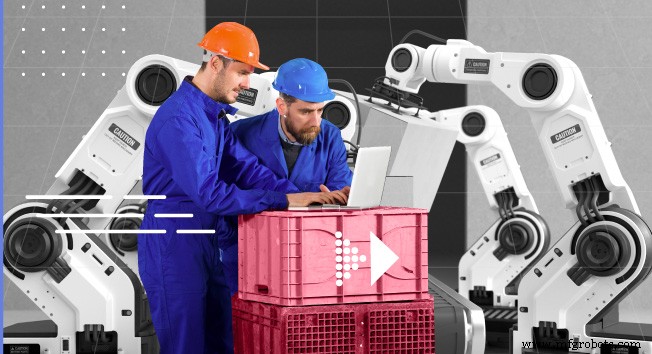
- Interconnected smart supply‑chain systems collect equipment data via sensors, enabling AI‑driven predictive analytics.
- Real‑time data informs decisions across manufacturing operations and the distribution network.
- Automation replaces redundant manual tasks, saving time, money, and resources.
Industry 4.0 and digital transformation
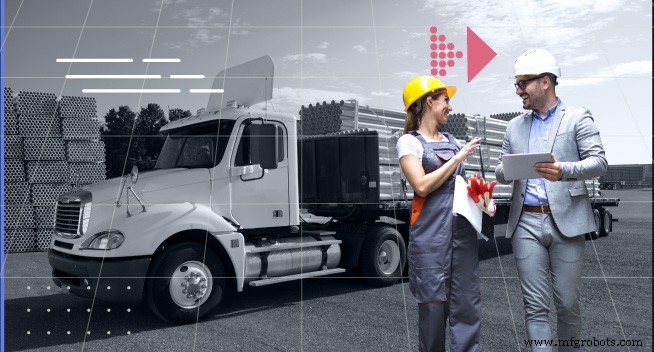
Industry 4.0 blends traditional manufacturing with IoT, AI, machine learning, and cloud computing, creating smarter human‑machine interfaces. These technologies are cost‑effective, reliable, and scalable, helping firms stay relevant and avoid obsolescence.
Road to digital transformation in manufacturing – The challenges
Legacy processes and systems place manufacturers at risk of losing competitiveness, higher costs, and reduced revenue potential.
Key challenges include:
RESISTANCE TO ADOPTING NEW TECHNOLOGIES
Traditional workflows can hinder adoption. AI‑driven solutions streamline tasks, improve efficiency, and alleviate job‑security concerns.
ABSENCE OF AUTOMATION
Insufficient automation limits digital readiness. Implementing plug‑and‑play systems eliminates manual bottlenecks and accelerates decision‑making.
LEGACY BUSINESS SYSTEMS
Modernizing legacy platforms unlocks faster, smarter processes and quicker time‑to‑market.
SKILL GAP

Upskilling employees ensures they can deploy and maintain digital solutions, driving continuous improvement.
BUDGET LIMITATIONS
Initial investments are significant but yield long‑term ROI through efficiency gains and cost savings.
Benefits of digital transformation in manufacturing
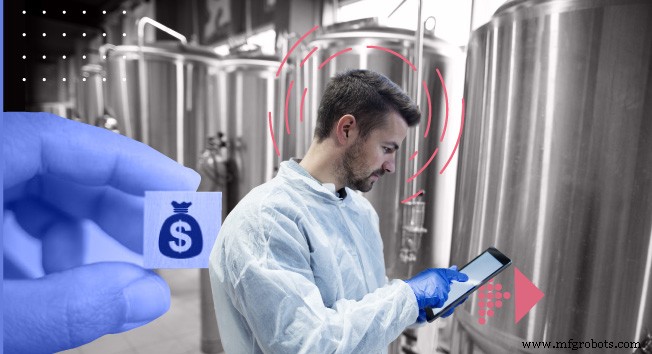
Digital transformation delivers higher productivity, improved product quality, and a competitive edge through lower operational costs.
Top 6 benefits:
Increased operational efficiency: Automation and cloud analytics streamline workflows, reduce rework, and predict downtime.
Improved innovation: Integrated technology fosters collaboration, reduces manual errors, and enables new processes.
Cost reduction: Real‑time insights into supply‑chain variables cut inventory, material, and equipment costs.
Data‑driven insights: Analytics provide actionable metrics that shape strategies and improve margins.
Better collaboration: Digital platforms break silos, enhancing cross‑functional teamwork and output.
Faster time‑to‑market: Automation and digital planning accelerate product launch cycles.
Digital transformation in manufacturing – Trends
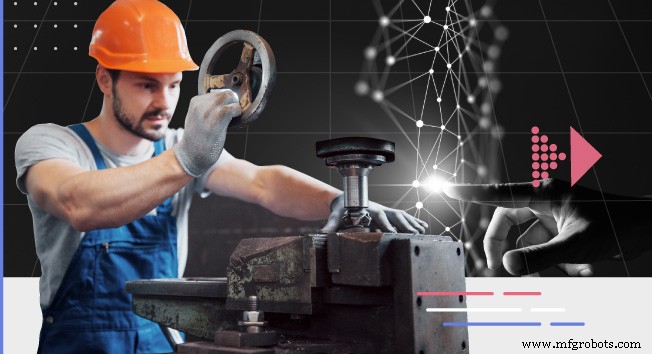
McKinsey warns that firms must future‑proof their Industry 4.0 plans or risk falling behind. The next five years will see 85% of industrial companies implementing core Industry 4.0 technologies.
2020 is projected as the year of widespread digital adoption, with IoT becoming a key driver across sectors—retail, automotive, consumer goods, healthcare—providing insights that transform traditional manufacturing.
Studies indicate that nearly 70% of manufacturers credit IoT with boosting profitability, and firms plan to invest about $267 billion by 2020.
Predictive analytics will also rise, enabling smarter decisions on maintenance, supply‑chain optimization, and customer experience—ultimately improving quality and delivery schedules.
AI and digital transformation in manufacturing
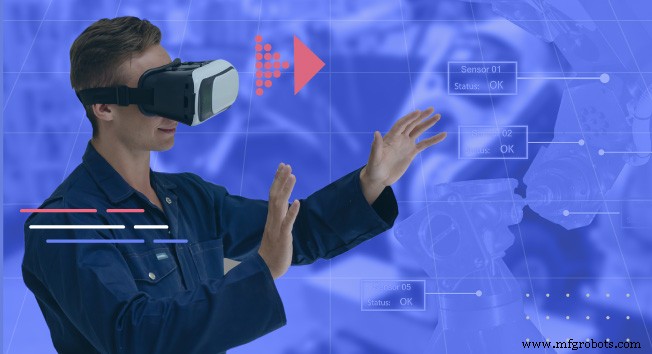
AI is now a core component of supply‑chain operations. By analyzing vast sensor data, machine‑learning models uncover insights that drive just‑in‑time manufacturing, reduce waste, and cut costs.
AI‑powered operations break bottlenecks, enhancing productivity and helping manufacturers meet revenue targets.
ThroughPut’s ELI (Bottleneck Elimination Engine) analyzes real‑time industrial data, detecting and preventing shifting bottlenecks to save millions in delays and lost revenue.
ELI supports supply‑chain forecasting, goal attainment, and end‑to‑end efficiencies. Click here to schedule a demo and start your digital transformation journey.

Industrial Technology
- How Digital Transformation is Reshaping the Paper Industry's Future
- COVID‑19 Highlights the Urgent Need for Digital Transformation in Manufacturing
- Why Smart Manufacturing Is Essential for SMEs to Stay Competitive
- Geography of Manufacturing: MEP and Rural Manufacturers in Focus
- Empowering Small Manufacturers Through Digital Manufacturing
- Digital Manufacturing: Transforming Production with Cutting-Edge Technology
- Driving the Future: How Digital Transformation & IoT Revolutionize Automotive Manufacturing
- How Automation is Shaping the Future of Digital Manufacturing
- Embrace Digital Transformation: How Industries Thrive in the New Tech Era
- Hybrid Manufacturing: Key Benefits, Challenges, and Industry Impact