



Supply Chain Optimization Software: A Manufacturer’s Blueprint to Efficiency and Profitability
What is Supply Chain Optimization?
Supply‑chain optimization is the systematic process that manufacturers use to reduce input costs while delivering high‑quality goods and services. By employing specialized supply‑chain optimization software, companies go beyond isolated departmental performance and align every node of the network toward a unified, high‑value outcome.
At its core, optimization identifies the most productive solutions under real‑world constraints—plant locations, capacity limits, raw‑material availability, and market dynamics. The result is a lean, data‑driven operation that balances cost, service, and flexibility.
What Does Supply Chain Optimization Involve?
It applies proven processes and analytical tools to achieve the optimal performance of a manufacturing and distribution network. Key tasks include inventory placement, cost minimization across manufacturing, transportation, and distribution, and the use of mathematical modeling through dedicated software.
Modern supply chains are complex ecosystems of people, processes, and technology. The proliferation of IoT, cloud computing, and advanced analytics has created a collaborative network that extends beyond traditional boundaries. Manufacturers must adopt these tools to stay competitive, reduce lead times, and respond instantly to demand shifts.
Business Problems Solved Using Supply Chain Optimization
According to Gartner, by 2020 95 % of supply‑chain planning vendors were already integrating supervised and unsupervised machine learning. Gartner further predicts that by 2023, 25 % of all supply‑chain technology solutions will embed AI or advanced analytics.
When machine learning, AI, and data science drive the planning process, manufacturers experience:
Inventory Control
Effective inventory management is the linchpin of a healthy supply chain. By predicting demand and aligning stock levels, manufacturers avoid stockouts, reduce carrying costs, and ensure on‑time fulfillment.
Demand Forecasting
Accurate forecasting provides a clear view of market demand and supply fluctuations, enabling manufacturers to keep inventory at optimal levels, cut costs, and shorten lead times.
Factory‑Floor Control
Integrated software offers real‑time visibility into production, reducing reliance on external orders and forecasts. It also provides precise labor allocation, improving billing accuracy and customer experience.
Decision Making
Real‑time analytics empower plant‑floor managers to make informed decisions quickly, avoiding outdated or ambiguous data.
Bottleneck Elimination
Operational bottlenecks waste up to 40 % of industrial output, costing the global economy $12 trillion. By identifying and removing these constraints in real time, manufacturers can achieve higher productivity, profitability, and growth.
The Role of Technology in Supply Chain Optimization
Big data, cloud, and IoT provide a panoramic view of the entire supply‑value chain. This comprehensive visibility enables manufacturers to track, compare, and reconfigure material flows, transportation routes, and final‑leg delivery options based on cost and lead time.
What Is Supply Chain Optimization Software?
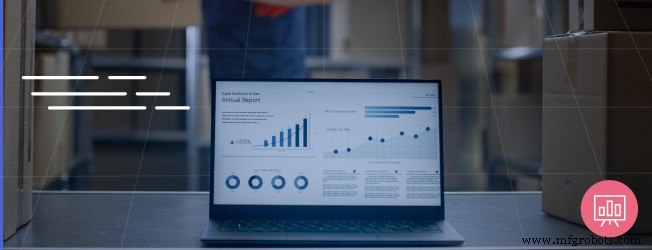
Supply‑chain optimization software processes core transactions—purchase orders, contracts, inventory levels, and demand‑sales alignment—while managing supplier relationships and financial implications. Seamless integration with accounting systems ensures that operational and financial data stay synchronized.
How Can Supply Chain Optimization Software Help?
By unifying procurement, R&D, production, and delivery, the software provides a single, end‑to‑end view. It uncovers new ways to accelerate delivery, cut costs, mitigate risk, and eliminate bottlenecks that impede productivity.
Selecting a Supply Chain Optimization Software – Factors to Consider
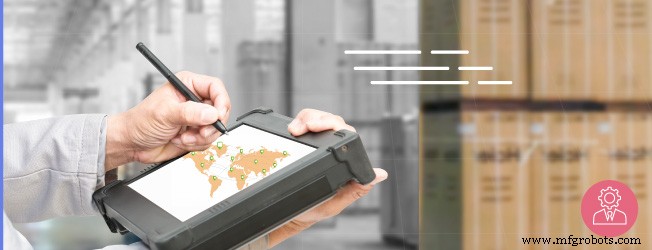
Effective optimization requires models that reflect the entire supply chain and algorithms that deliver the best solutions. Advanced analytics—predictive, prescriptive—must support the software’s optimization engine.
Supplier Inventory Management
Integrated logistics software reduces shipping costs while delivering full visibility.
Demand Planning
Accurate demand, supply, and price forecasting is essential for resilient operations.
Transportation Planning
Optimized routing reduces transportation spend and improves service.
Seamless Technology Integration
Software that effortlessly connects with existing ERP, WMS, and TMS systems yields higher transparency and lower total cost of ownership.
Key Features of a Supply Chain Optimization Software
Inventory Management
Tracks raw materials, spare parts, and finished goods, integrating barcode scanning and demand forecasting.
Order Management
Automates purchase orders, supplier scheduling, and pricing configuration.
Logistics and Delivery Coordination
Optimizes transportation channels, warehouse layout, and labor allocation for on‑time delivery.
Forecasting Demand and Pricing
Predicts market dynamics, informs production planning, and evaluates supplier performance.
Order Return Management
Detects defects, processes refunds, and manages warranty claims.
The Future of Supply Chain Optimization with AI and Machine Learning
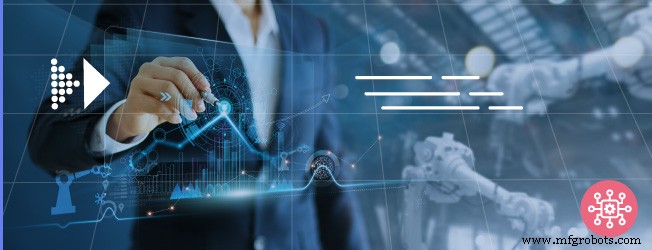
Industry 4.0 and Supply Chain 4.0 demand integrated analytical planning, S&OP, and real‑time visibility. AI and machine learning can deliver $15.7 trillion in global economic value by 2030 (PwC) and already bring moderate to significant ROI to 76 % of supply‑chain companies (McKinsey).
AI-driven analytics automate routine tasks, boost operational agility, and reduce costs.
ELI – The AI‑Driven Bottleneck Elimination Product
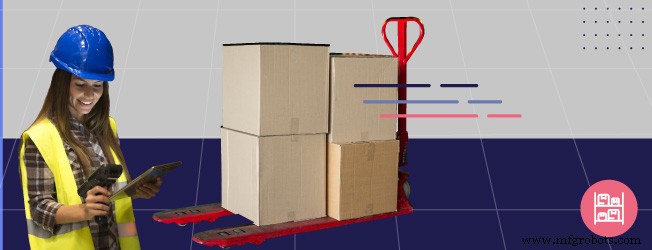
ThroughPut’s ELI is an AI‑powered bottleneck‑elimination engine that processes real‑time industrial data to detect, prescribe, and prevent shifting bottlenecks. It focuses on five pillars of lean operations:
Faster Cycle Time
Reduces cycle times by eliminating operational bottlenecks with minimal effort.
Better Defect Rate
Leverages multi‑variable heat maps and geolocation tracking for accurate defect predictions.
Leaner Inventory
Drives higher inventory turnover and labor productivity through real‑time insights.
Smoother Uptime
Minimizes uncertainties, ensuring uninterrupted productivity.
Softer Failures
Reduces costly waste by proactively addressing bottlenecks.
ELI can help you reduce cycle time, avoid machine failures, optimize inventory, and contribute to a more sustainable operation. Request a demo to see which version fits your needs.
Industrial Technology
- Mastering Supply‑Chain Planning: A Manufacturer’s Blueprint for Precision Forecasting & Execution
- Supply Chain Resilience: Optimizing Operations Amid Disruption
- Reshoring Boosts Opportunities for North American Manufacturers
- 3 Proven Strategies to Cut Supply Chain Costs in Aerospace & Defense Manufacturing
- Building Resilient Supply Chains: Risk‑Management Tactics for Small Manufacturers
- Smart Equipment Buying for Manufacturers: A Comprehensive Pre‑Purchase Guide
- Is Blockchain the Ideal Solution for Supply Chain Management?
- Quarterly Supply Chain Health Check: Ensure Smooth Operations
- Harnessing Data for Superior Supply Chain Optimization
- Mastering Supply Chain Management: A Comprehensive Guide