



Supply Chain Analytics: Driving Intelligent Manufacturing
 What is Supply Chain Analytics?
Supply Chain Analytics empowers manufacturers to elevate operational efficiency by turning data into actionable insights across the entire value chain—from sourcing and production to distribution and logistics. With real‑time, accurate analytics, firms can make strategic, operational, and tactical decisions that directly impact the bottom line.
Typical Supply Chain Challenges

Manufacturers commonly face the following hurdles:
- Fragmented synchronization between planning and execution.
- Limited real‑time visibility, resulting in multiple data versions across departments.
- Frequent stock‑outs and excess inventory, leading to unpredictable levels.
- Rigid distribution networks that hinder balancing cost‑to‑serve with service quality.
- Price swings, line imbalances, and suboptimal batch sizing that underutilize assets.
Value Delivered by Supply Chain Analytics
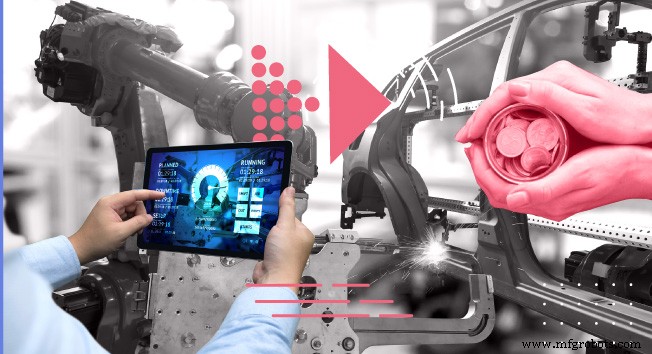
According to Gartner, 29% of organizations realized significant ROI from analytics, compared with only 4% that saw no return.
Supply Chain Analytics gives manufacturers a unified, real‑time view of the entire chain, enabling:
- Data‑driven sourcing decisions based on supplier performance.
- Early identification of risks across current and future production scales.
- Root‑cause analysis to pre‑empt disruptions.
- Opportunity discovery for product development using order data.
- Impact assessment of design changes on production costs.
Supply Chain Analytics Opportunities
1. SALES, INVENTORY, AND OPERATIONS PLANNING

Sales and inventory planning remain the most data‑rich processes, relying on ERP and SCM tools. With analytics, manufacturers can transform these processes by integrating internal and external data, enabling real‑time demand shaping and dynamic supply alignment.
2. SOURCING

Beyond isolated spend analysis, analytics can provide continuous visibility into procurement volumes and supplier performance, allowing for real‑time deviation detection and more informed supplier reviews.
3. MANUFACTURING

Big data and analytics streamline production by aligning energy usage with variable electricity rates and diagnosing defects through detailed process parameter analysis.
4. WAREHOUSING

Warehouse optimization now leverages 3D modeling and advanced analytics to reconfigure space, boost picking productivity, and reduce inventory carrying costs.
5. TRANSPORTATION

Analytics drives efficient routing, fuel consumption monitoring, and real‑time bay allocation, helping trucking and courier services reduce delays and lower costs.
Key Features of Effective Supply Chain Analytics
1. CONNECTED

A robust analytics platform must ingest unstructured data from every point in the supply chain without connectivity bottlenecks.
2. COLLABORATIVE

Cloud‑based commerce networks enable multi‑enterprise collaboration, improving engagement with suppliers, partners, and vendors.
3. CYBER‑AWARE

Security must be built into every layer, safeguarding data and operations against cyber threats.
4. COGNITIVELY ENABLED

AI and machine learning empower self‑learning supply chains that can automatically coordinate decisions across the value chain.
5. COMPREHENSIVE

Analytics must scale in real time, delivering actionable insights instantly without adding latency to the value stream.
Role of Artificial Intelligence in Supply Chain Analytics
Integrating AI into supply chain analytics unlocks tangible benefits. McKinsey research indicates that 61% of organizations reduced costs, while 53% saw revenue growth after adopting AI.
AI delivers end‑to‑end visibility, actionable insights, and automation that reduce manual effort, enabling smarter decisions. Read more on future‑proofing supply chains with AI.

Industrial Technology
- Unlocking the Digital Supply Chain: 5 Essential Drivers for Manufacturing Success
- 5 Proven Strategies to Build Resilient Manufacturing Supply Chains
- October 2018 Supply Chain Trends: Insights for B2B Buyers
- Inside the Defense Manufacturing Supply Chain: Key Insights & Future Technologies
- 3 Proven Strategies to Strengthen Your Supply Chain Resilience
- Transform Your Supply Chain with Digital Manufacturing Solutions
- Upskilling & Automation: Building Resilient Manufacturing Supply Chains
- Streamlining Manufacturing Supply Chains: 7 Proven Strategies for Simplicity and Efficiency
- 7 Key Strategies to Prevent Interruptions in the Electronics Manufacturing Supply Chain
- Additive Manufacturing: A Solution to Modern Supply Chain Challenges