



Innovative Needle‑Free Injection Systems: Advancing Safe and Pain‑Free Medication Delivery
Needle‑free injection systems offer a modern, painless alternative to traditional hypodermic needles. By delivering drugs through air‑pressure, iontophoresis, or oral formulations, they reduce pain, lower costs, and improve compliance for vaccines, insulin, and other therapeutics.
Background
Vaccines such as those against influenza, tetanus, cholera, and typhoid rely on intramuscular delivery to trigger systemic immunity. In the U.S., children can receive over 13 injections before age 16, yet needle‑related issues—high cost, reuse risks, and needle phobia—remain barriers, especially in low‑resource settings.
Needle‑free technology addresses these challenges by providing a sterile, single‑use, and user‑friendly alternative that can increase vaccination rates, cut antibiotic use, and reduce occupational needle‑stick injuries.
Key Delivery Modalities
- Air‑Forced Systems: A fine mist or powder is propelled through the skin by compressed air, enabling deep tissue penetration for drugs like growth hormone.
- Patches (Iontophoresis): Micro‑blade arrays create micro‑channels; an electric current then drives medication into the bloodstream without pain.
- Nasal Sprays & Drops: Target mucosal surfaces, stimulating both local and systemic antibodies—ideal for flu vaccination.
- Inhalers: Atomize liquid or powder for pulmonary absorption, suitable for insulin or protein therapeutics.
- Oral Vaccines: Freeze‑dried powders or genetically engineered foods (e.g., potatoes, bananas, tomatoes) protect antigens from stomach acid, offering a promising route for travelers and resource‑constrained regions.
Historical Context
While the hypodermic needle debuted in 1853, early air‑powered needle‑free injectors emerged in the 1940s and 1950s. Over the decades, devices have evolved in size, efficiency, and ease of use, reflecting ongoing research into safer drug delivery.
Materials & Manufacturing
Devices are constructed from pharmacologically inert, heat‑resistant thermoplastics such as polycarbonate, often reinforced with fillers and colorants. Air‑forced injectors use CO₂ or helium as propellants. The manufacturing process involves:
- Injection Molding: Plastic pellets are melted, extruded through a screw, and injected into metal molds to form precise components.
- Assembly & Labeling: Components are assembled on a sterile line; dose markers and safety labels are applied with calibrated printers.
- Packaging: Units are sealed in sterile film and boxed for transport, with clear usage instructions and safety warnings.
Quality Assurance
Every step undergoes rigorous inspection—visual checks, dimensional measurement, and label verification—under FDA Good Manufacturing Practice (GMP) standards. Both scheduled and surprise audits ensure compliance and traceability.
Future Directions
Research focuses on expanding drug compatibility, refining inhaler designs, and harnessing genetically modified foods for vaccine delivery. Innovations aim to extend drug shelf‑life, reduce dosing frequency, and further eliminate needle use.
These advancements promise a future where medication delivery is safer, more comfortable, and accessible to all.
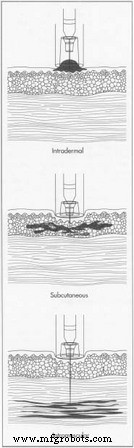
Manufacturing process
- Optimizing Compressed Air Systems: Practical Troubleshooting & Efficiency Strategies
- Embedded Systems & System Integration: Modern Architecture & Connectivity
- Understanding Ventilation Systems: Keeping Your Indoor Air Fresh and Healthy
- How Fuel Injection Systems Power Modern Car Engines
- Direct Injection Systems: How They Work and Why They're Essential for Modern Engines
- Indirect Injection in Engines: How It Works and Why It Matters
- Exploring Multi‑Point Fuel Injection Systems: Function, Components, and Performance
- Air Injection Systems: Reducing Exhaust Emissions Explained
- Types of Fuel Injection Systems in Compression Ignition Engines
- Optimize Conveyor Performance with Tailored Support Systems