



Buffing: The Ultimate Car Finishing Technique for a Mirror‑Gloss Finish
Do you have a Car?
Buffing : An Ideal Car Finishing Process
Buffing is a polishing operation in which the work piece is brought in contact with a revolving cloth buffing wheel, which is charged with fine abrasive particles like aluminum oxide or silicon carbide. The cloth work as transporting medium for fine abrasive particle and the metal removed during rubbing action between work piece and buffing wheel. This metal removal process removes scratch or other suspended marks from the metal body and provides a mirror like surface finish.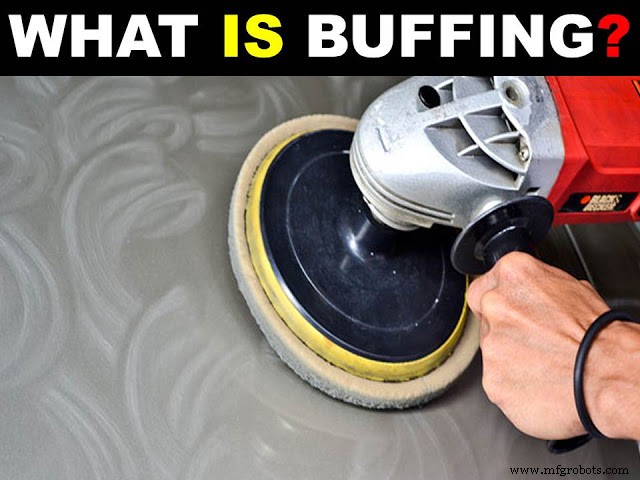 Mostly buffing wheel is made by linen, cotton, broad cloth and canvass. This wheel made by multiple layers of these cloths overlapped on each other. The wheel rotates during buffing operation at a speed of 32.5 -40 m/s and a small pressure applied on the wheel which promote abrasive action and removes metal in form of microchips.
Broaching: Process, Tools, Types, Benefits & Drawbacks Explained
Lapping: Principles, Types, and Key Advantages in Precision Finishing
Manufacturing process
- FINEX Process: Advanced Liquid Iron Production Using Iron Ore Fines & Non-Coking Coal
- HIsarna Ironmaking Process: Ultra‑Low‑Carbon Steel Production
- CONARC: Merging Converter and Electric Arc Furnace for Superior Steel Production
- Steel Rolling: Precision Manufacturing Process Explained
- Advanced Metal Forging Techniques: Processes and Applications
- Tecnored: Innovative Coke‑Free Ironmaking Process
- Romelt Ironmaking Process: Efficient Smelting Reduction for Liquid Iron Production
- Redsmelt: Advanced Two‑Step Iron Production
- Step-by-Step Guide to Producing High-Quality Iron Carbide (Fe3C)
- Matmor Process: Innovative Iron Production Using Lignite Coal