



Mastering Color Matching in Anodized Aluminum Parts
Anodizing is a great way to coat aluminum parts with attractive and physically durable finishes. Anodizing can improve corrosion resistance, surface hardness, and prevent scratches. Anodizing is a very important electrolysis process in surface finishing, which is used to improve the surface finishing process in terms of aesthetics and optical relevance. Every manufacturer must pay attention to two key parts when anodizing parts. The first is how to color aluminum and use the appropriate aluminum color. Anodized colors are key because they convey a lot of information about the characteristics of the final product. This article gives an in-depth explanation of anodizing and how to use anodizing to color aluminum parts.
What Is The Basic Principle Of Anodizing Process?
To correctly understand the various colors and matching processes of anodized aluminum, we must first master the process principles. Aluminum anodization is an electrochemical process that requires a wear-resistant oxide layer to be coated on aluminum parts. This improves the quality and aesthetics of the product. Enhanced features include enhanced durability and corrosion resistance. During the reaction, the aluminum part serves as the anode and the inert part serves as the cathode. This reaction takes place in an acid electrolyte.
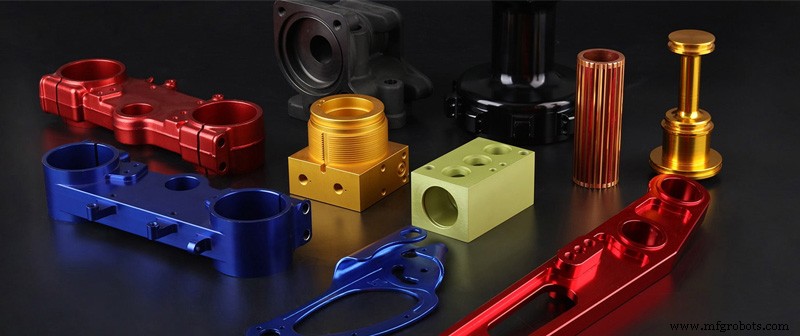
Add Color
In the anodizing process, there are two ways to add color to aluminum. One method is electrolytic coloring. The part is immersed in another solution tank along with the metal salt. These salts fill the pores and form a very strong coating that can resist UV fading. There is no limit to the color of anodization, but the most common colors are bronze and black.
The second method is dip dyeing, or simply putting the parts in a dye tank. The dye is absorbed into the pores and then the surface is boiled in deionized water to stop any further reactions. There are many color options for this method, but the colors may not be very UV resistant, so they will fade over time.
How To Match Colors?
Unlike painting, color matching is subtraction rather than addition. Generally, the color emitted by any material is the color of light reflected on it. This is what happens with the anodized color, and only a small amount is needed. The anodic oxide film does not reflect light, but transmits light to the aluminum on the base surface. After that, the base metal reflects it to the film and the outside. Therefore, the anodized layer acts as a filter, rather than a reflector that is essential in color matching. This makes color-matched anodized aluminum parts very heavy.
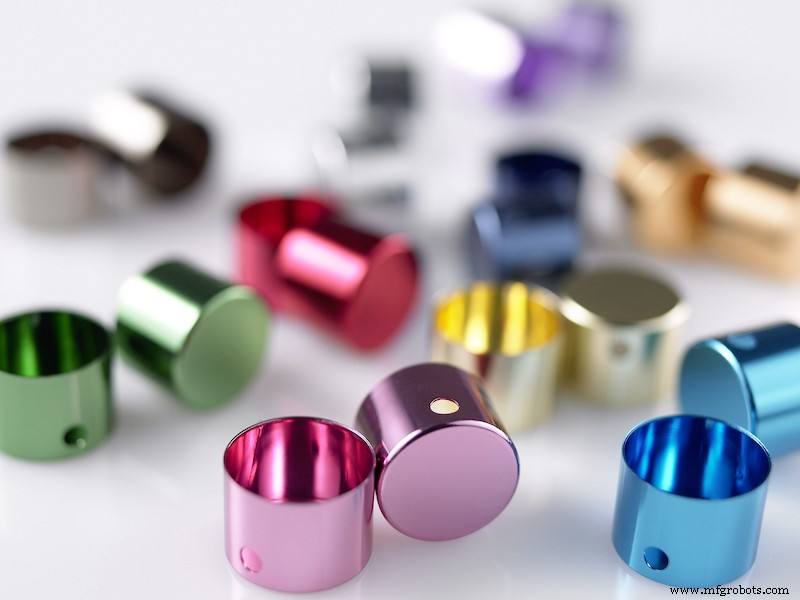
Can Anodizing Be Used For Color Matching?
The color obtained by dyeing is not as consistent as the color obtained by powder coating or paint. Because of all the variables in the anodizing process, it is very difficult to create color and color matching consistency.
The color produced by the anodizing process is subtractive, not additive, as in paint systems. The anodic oxide film transmits light to the substrate and reflects back through the film. In short, it acts as a filter rather than a reflector in a paint system.
In addition to dyes, the color appearance of anodizing is also affected by alloy, surface finish (specular reflectance), temperature, time and composition of the anodizing bath. Therefore, it is extremely difficult to match the colors one by one. We recommend establishing an acceptable color range (light, medium to dark) and processing orders together as much as possible to minimize variation.
Manufacturing process
- Choosing the Right Anodized Aluminum Colors for Stunning, Durable Finishes
- Mastering Aluminum Anodizing: A Comprehensive Beginner’s Guide
- Expert Guide to Machining Anodized Aluminum Parts
- Premium Aluminum & Stainless Steel Aerospace Parts – Lightweight, Durable, High Performance
- Key Factors Influencing Anodized Aluminum Part Cost, Color, and Quality
- Precision High‑Speed Machining of Aluminum Milling Parts
- Choosing Optimal CNC Machining Tools for Aluminum Parts
- Hard Anodizing: Enhancing Strength and Durability of Aluminum Parts
- Three Key Factors Influencing Anodizing Costs for Aluminum Parts
- The Anodization Process for Aluminum: Enhancing Durability and Aesthetics