



Reliability & Asset Management: Foundations for Production Excellence
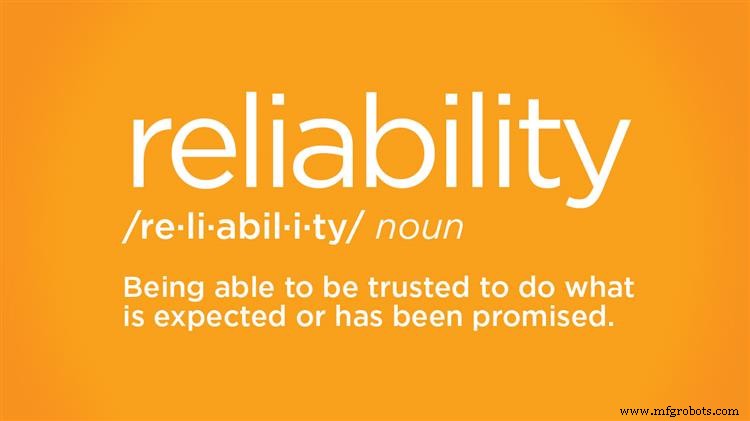
In today’s manufacturing landscape, “reliability” is more than a buzzword; it’s the cornerstone of continuous improvement and operational excellence. Yet, many books and vendors still offer vague definitions. This article distills the essence of reliability and clarifies how it integrates with true asset management.
What Does Reliability Mean?
Traditional dictionaries equate reliability with dependability, trustworthiness, and consistency. In industrial practice, reliability is the assurance that a system or asset will perform its intended function when required. It’s about being able to trust that what is promised will happen, whether that’s a machine running without failure or a process delivering the expected quality.
In pulp and paper mills—and across all high‑value production environments—reliability spans more than just maintenance initiatives. It represents a partnership between operations, which drives reliable processes, and maintenance, which safeguards reliable equipment.
Measuring Reliability
To align operations and maintenance, a single performance metric is essential. The industry‑accepted approach multiplies three core dimensions: quality, time, and speed. For example:
Quality Performance × Time Performance × Speed Performance
90% × 90% × 90% = 72.9%
This calculation yields a composite reliability percentage that reflects overall production health.
Alternatively, the Reliability Index offers a concise measure:
Reliability Index = MTBPL ÷ MPL
Where:
- MTBPL = Mean Time Between Production Losses (total operating time ÷ number of production losses)
- MPL = Tons Lost ÷ Number of Production Losses
Both metrics demand accurate data on production calendars, loss counts, and quality, time, and speed impacts. The goal is simple: maximize uptime and minimize the duration of any losses that do occur.
Asset Management: Beyond Software
Asset management is often marketed as a software solution, but its true value lies in the human and intellectual capital that supports it. A company’s assets include not only equipment but also brand equity, patents, capital, and the skilled professionals who manage and maintain them.
Confusing terminology—such as equating “equipment asset management” with maintenance software—can derail improvement initiatives. Consistency in naming and clear definitions are critical for long‑term success. For example, referring to operational activities as maintenance and the resulting outcomes as production reliability keeps everyone aligned.
About the Author
Torbjörn (Tor) Idhammar is Partner and Vice President of Reliability and Maintenance Management at IDCON Inc. He trains and supports organizations in preventive maintenance, condition monitoring, scheduling, spare parts management, and root‑cause analysis. Author of Condition Monitoring Standards (Volumes 1–3), Tor holds a BS in Industrial Engineering from North Carolina State University and an MS in Mechanical Engineering from Lund University, Sweden. Contact Tor at 800‑849‑2041 or visit www.idcon.com.
Equipment Maintenance and Repair
- Reliability: The Comprehensive Guide to Asset Management
- Building a Reliability Culture: Ownership, Collaboration, and KPI Success
- World-Class Maintenance & Reliability: The Definitive Assessment Blueprint
- Top Performance in Maintenance & Reliability: Proven Strategies for Long‑Term Success
- 12 Pillars of Effective Reliability Management
- Why Attention to Detail Drives Maintenance & Reliability Success
- How Volunteer Leadership Fuels Advancement in Maintenance & Reliability
- Asset Management Explained: Optimizing Asset Value and Compliance
- Plant Asset Management: Maximizing Efficiency & Savings in Industrial Operations
- Proactive Maintenance Explained: Benefits & How It Differs from Reactive Strategies