



Selecting the Ideal Material for CNC Machining: A Practical Guide
Computer numerical control—i.e., CNC—machining is a subtractive manufacturing process used to produce high-precision parts and components designed and built to tight tolerances. By employing computerized machines and tooling, industry professionals use the method to process a wide range of materials, each of which offers its own manufacturing benefits and limitations.
The following blog post serves as a guide outlining what factors to consider when choosing a material for a CNC machining project. Additionally, it compares some of the materials commonly used and their characteristics and typical applications.
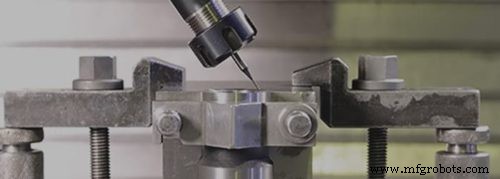
How to Select the Right CNC Material
The material used in a CNC machining operation can affect both the quality and performance of the finished part. When choosing a material, there are several factors to consider. The answers to the following basic questions can aid in the selection process:
- What mechanical, thermal, and other material properties are necessary for the product to perform adequately in the application and operating environment?
- Which available materials fulfill all or most of the necessary characteristics to meet design requirements?
- Which material allows for the highest level of performance, the best machinability characteristics, and the most cost-effective production?
However, answering these questions requires a thorough understanding of product requirements and the characteristics and common applications of each potential material.
Comparing Different CNC Materials: Material Properties and Common Applications
Industry professionals employ a wide range of materials in CNC machining operations to suit different product and project specifications. Some of the most commonly used materials include:
. Aluminum
One of the most common and easy to machine metals available, aluminum is a highly versatile and cost-effective option for CNC machining projects. Additional material properties include:
- Medium strength (6061) and high strength (7075)
- Corrosion and temperature resistance
- Thermal and electrical conductivity
- High workability
Typical applications include:
- for 6061: aircraft and marine fittings, camera lens mounts, couplings, and electronic hardware
- for 7075: aircraft and bike parts, gears and shafts, fuse parts, keys, missile parts, and valves
. Brass
Similar to aluminum, brass is easy to work with and cost-effective. Other material properties include:
- Medium strength
- High stability
- Corrosion resistance
- Chemical resistance
- High machinability
Typical CNC machined parts include:
- Aerospace components
- Electronic hardware and contacts
- Fitting
- Healthcare devices
. Bronze
Bronze consists of copper and zinc and carries many of the same physical and mechanical properties of the base copper material, such as:
- Non-sparking
- Corrosion resistance
- Thermal and electrical conductivity
- Good workability
Typical products produced include:
- Bearings and bushings
- Musical instruments
- Sculptures
- Springs
. Cast Iron
In CNC machining operations, cast iron is primarily used for its ready availability, strength, and wear resistance. Typical applications include:
- Car and truck parts
- Wind generation equipment parts
- Oil well pump components
- Tools and machine tool frames
. Copper
Copper offers several characteristics that make it suitable for CNC machined parts, including:
- Medium strength
- Electrical conductivity
- Corrosion resistance
- Good workability
Some of the CNC machined products typically made from copper include:
- Automotive and general engineering parts
- Appliance components
- Electrical contacts
. Nickel and Nickel Alloys
There are a variety of nickel and nickel alloys, such as Hastelloy and Inconel, available for use in CNC machining operations, each of which offers:
- Medium to high strength
- Corrosion and oxidation resistance
- Medium workability
Typical applications for these materials include:
- for Hastelloy: chemical reactors, distillation equipment, pipes and valves, and pressure vessels
- for Inconel: automotive and aerospace parts, consumer electronics, and healthcare devices
. Steel and Steel Alloys
Steel is available in a wide range of grades to suit different industrial and commercial machining projects. In general, each alloy demonstrates the following properties:
- High strength and hardness
- Low corrosion resistance
- High formability, machinability, and weldability
Applications of steel in CNC machining operations include:
- Heavy-duty parts
- Gears
- Rivets
- Shafts
- Studs
. Stainless Steel
Stainless steel combines the strength and hardness of steel with greater corrosion resistance. In addition to these advantageous characteristics, it also offers good machinability and weldability.
Industrial and consumer applications include:
- Aerospace and automotive parts
- Food processing equipment
- Medical and surgical instruments
- Machinery components
- Screws
. Variety of Plastics
Plastics serve as a low-cost, easy-to-machine alternative to metals for applications where strength and electrical conductivity are not critical. Depending on the specific plastic formulations, some of the properties that plastic demonstrate are:
- Nylon: fair flame resistance and insulation
- PVC: excellent chemical and corrosion resistance and good flame resistance
- PEEK: high stability and strength, impact resistance, and minimum creep
Typical applications include:
- for nylon: bearings and insulators
- for PVC: construction profiles to medical devices, roofing membranes to credit cards, and toys to pipes
- for PEEK: connectors, switches, and test sockets
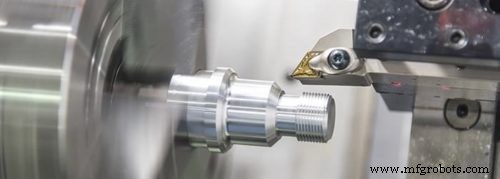
CNC Materials From Technox Machine and Manufacturing, Inc.
For CNC machining operations, industry professionals most commonly employ aluminum, steel, and stainless steel due to their overall strength and versatility. However, depending on the part and project specifications, they may also utilize other materials for enhanced thermal and electrical conductivity, rust and corrosion resistance, or other required material properties.
At Technox Machine and Manufacturing, Inc., we have a broad range of materials available to suit a variety of machining applications. Our team has the knowledge and expertise to help you select the material with the right characteristics for the cost-effective production of your components. Contact us for more information about our material availability and capabilities or request a quote to discuss the details of your next project.
CNC Machine
- Choosing the Ideal Material for Your Handwheel: A Practical Guide
- Choosing the Right Material for Your Project: A Practical Guide
- Selecting the Ideal Pneumatic Actuator: A Practical Guide for Reliable Automation
- Choosing the Best Brake Pad Material for Optimal Performance and Safety
- How to Select the Best Material for Your CNC Machining Projects
- Choosing the Right Plastics for CNC Machining: A Practical Guide
- Choosing the Ideal CNC Machining Service: A Practical Guide
- Choosing the Right Plastic for CNC Machining Projects: A Practical Guide
- How to Select the Best Materials for CNC Machining: A Practical Guide
- Choosing the Right Air Filter: A Practical Guide for Optimal Compressor Performance