



Galvanization Explained: Process, Types, Benefits, and Applications
Imagine bridges, cars, and even the nails that hold our homes together succumbing to decay at an alarming pace. Galvanization counteracts that threat, extending the life of steel and iron by applying a protective zinc coating that resists rust and corrosion.
Across construction, automotive, infrastructure, and many other sectors, galvanization has become indispensable. In 2023, the global market for galvanized steel reached USD 98.80 billion, and analysts project it will climb to USD 166.09 billion by 2032—an annual growth rate of 5.9%. Zinc’s role as a sacrificial anode means it corrodes first, shielding the underlying metal.
Hot‑dip galvanizing, the most widely adopted method, delivers a thick, durable coating that is cost‑effective and versatile, suitable for everything from household fixtures to massive bridge beams.
What Is Galvanization?
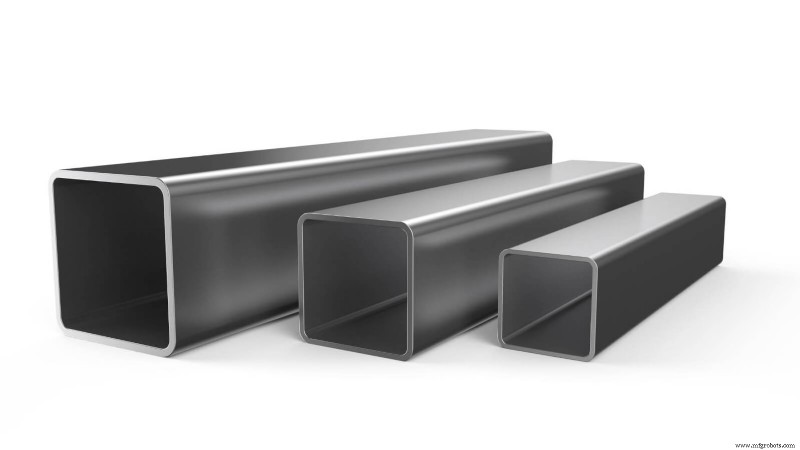
Galvanization is the application of a zinc layer to steel or iron to prevent oxidation. Zinc corrodes preferentially, creating a barrier that protects the base metal. While hot‑dip galvanizing dominates, other techniques—such as electrogalvanizing and sherardizing—offer specialized solutions.
The protective coating can extend the life of everything from construction beams to street signs, and the characteristic “spangle” pattern indicates a well‑formed zinc layer that remains protective even when scratched.
Short History of Galvanization
The process dates back to the mid‑1700s, named after Luigi Galvani, whose work on bioelectricity inspired the term. The first patent for modern galvanization was granted to Stanislas Sorel in 1836, followed by William Crawford in the UK. By 1850, zinc consumption for galvanizing reached 10,000 tons annually, driven by rapid industrialization across Europe.
Early examples include 17th‑century Indian armor preserved in a UK museum, demonstrating the long‑standing relevance of zinc protection.
How Does Galvanization Work?
The process begins with meticulous cleaning to remove oil, dirt, and oxides. The metal is then immersed in molten zinc at ~450 °C (850 °F), forming a metallurgical bond. Even if the zinc layer is scratched, it continues to protect the underlying metal by sacrificial corrosion.
The Chemical Process Behind Galvanization
Galvanization relies on galvanic corrosion: zinc, being more active electrochemically, acts as an anode and corrodes first. Electrolytes accelerate this reaction, resulting in a zinc carbonate patina that further shields the steel.
Stages of Galvanization
- Cleaning/Degreasing: Removes organic residues.
- Pickling: Acid bath strips mill scale and oxides.
- Rinsing: Eliminates residual acid.
- Fluxing: Prevents oxidation and promotes adhesion.
- Submersion in Molten Zinc: Core bonding occurs here.
- Cooling/Quenching: Solidifies the zinc layer.
- Inspection: Verifies uniformity and thickness.
Benefits of Galvanization
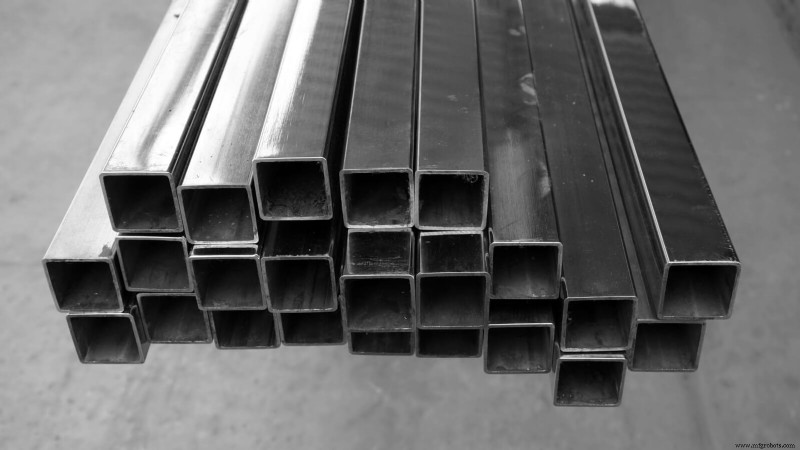
Galvanization delivers a cost‑effective, low‑maintenance solution that outperforms alternatives like stainless steel in many scenarios. The zinc coating resists impact, transport damage, and harsh environments, reducing lifecycle costs. It also supports sustainability: galvanized steel is fully recyclable, and zinc’s strong adhesion ensures long‑term performance.
How Galvanization Prevents Rust
Two mechanisms protect the metal:
- Barrier effect: Zinc physically blocks moisture, salts, and oxygen.
- Sacrificial effect: When the coating is breached, zinc corrodes first, shielding the steel.
Over time, a zinc carbonate patina forms, further slowing corrosion. Even after scratches, surrounding zinc continues to provide protection.
Galvanization Methods
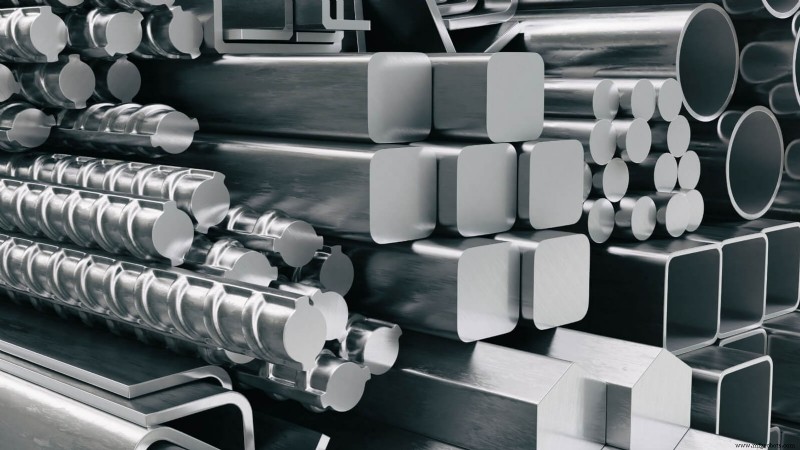
- Hot‑Dip Galvanizing: Immersion in molten zinc.
- Pre‑Galvanizing: Continuous coating of sheet metal.
- Electrogalvanizing: Zinc deposition via electric current.
- Sherardizing: Thermal diffusion of zinc powder.
- Galvannealing: Hot‑dip followed by annealing to create a zinc‑iron alloy.
- Thermal Diffusion Galvanizing: Similar to sherardizing for larger parts.
Hot‑Dip Galvanizing
Core steps:
- Cleaning and fluxing.
- Dipping in molten zinc (~450 °C).
- Cooling and solidification.
Applications: construction beams, fences, automotive parts.
Pros: Cost‑effective for large volumes, rapid processing, thick durable coating, versatile shapes.
Cons: Variable thickness, potential hydrogen embrittlement in high‑strength steels.
Pre‑Galvanizing
Used for sheet metal and coils. Steel passes through a molten zinc bath in a continuous line.
Applications: tubing, framing members requiring uniform, economical coatings.
Pros: High throughput, consistent coating.
Cons: Post‑cutting or welding exposes uncoated steel; unsuitable for thick sections.
Electro‑Galvanizing
Electrochemical deposition allows precise thickness control, ideal for aesthetic or moderate‑corrosion products.
Applications: automotive panels, electrical enclosures.
Pros: Smooth, uniform finish; precise control.
Cons: Thinner coating; higher equipment cost.
Sherardizing
Thermal diffusion in a sealed drum with zinc powder, suitable for small, complex parts.
Applications: fasteners, hardware.
Pros: Uniform coverage, excellent for threaded or intricate shapes.
Cons: Slower than hot‑dip; requires precise temperature control.
Galvannealing
Combines hot‑dip galvanizing with annealing, creating a zinc‑iron alloy that improves paint adhesion.
Applications: automotive components, appliances.
Pros: Robust coating, excellent paintability.
Cons: Additional annealing step increases cost; matte finish may not suit all aesthetics.
Mechanical Plating
Cold‑working process that bonds zinc to small parts without heat, ideal for screws and fasteners.
Applications: electrical components, delicate hardware.
Pros: Uniform coating on complex geometries; no thermal distortion.
Cons: Thinner coating, less protection for large structures.
Continuous Galvanizing
High‑speed coating of steel sheets or wires, integral to modern production lines.
Applications: automotive body panels, building materials, appliances.
Pros: High throughput, consistent quality.
Cons: Limited to flat or wire forms; post‑cutting exposure requires protection.
Thermal Diffusion Galvanizing
Also known as sherardizing, this method diffuses zinc into metal surfaces at elevated temperatures.
Applications: gears, fasteners, complex tools.
Pros: Excellent coverage of intricate shapes; superior wear and corrosion resistance.
Cons: Slower; requires precise control.
Tools Required for Galvanization
- Molten Zinc Bath: Core medium for hot‑dip processes.
- Pickling and Flux Tanks: Prepare surfaces.
- Overhead Cranes/Conveyors: Handle heavy parts.
- Thermometers & Thickness Gauges: Monitor bath temperature and coating thickness.
- Heat‑Resistant Gloves, Aprons, Eye/Face Protection: Worker safety.
- Ventilation Systems: Control fumes.
- Degreasing Solutions & Mechanical Abrasives: Clean surfaces.
Key Galvanization Parameters
- Bath Temperature (~450 °C)
- Immersion Time
- Steel Surface Condition
- Bath Composition & Flux Concentration
- Bath Agitation
- Withdrawal Speed
- Cooling Rate
- Steel Thickness & Composition
- Environmental Conditions
Materials That Can Be Galvanized
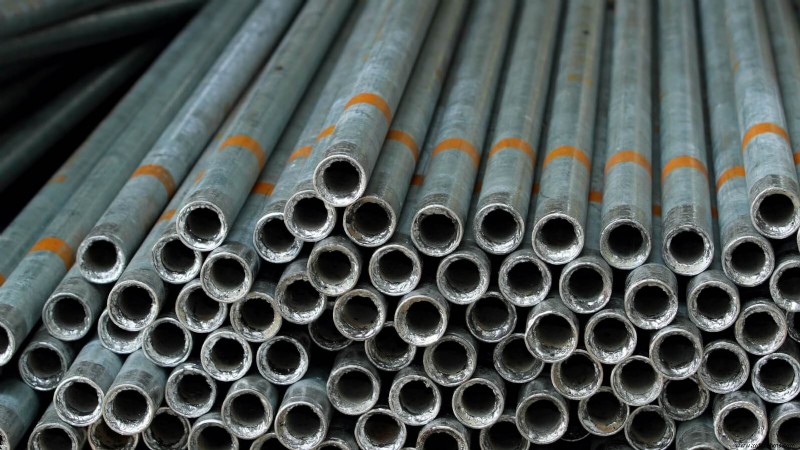
- Steel (mild, structural, high‑strength)
- Iron‑based alloys
- Some copper‑based alloys (via thermal diffusion)
- High‑strength steels (require specialized approaches to avoid hydrogen embrittlement)
- Pure iron (less common)
- Non‑ferrous metals (typically use different protective coatings)
Common Applications of Galvanization
- Construction frameworks, balconies, staircases, street furniture.
- Infrastructure: lamp posts, guardrails, highway signage.
- Automotive: car bodies, undercarriages.
- Agricultural: fencing, grain bins.
- Plumbing: pipes lasting 40–50 years.
- Industrial equipment exposed to harsh environments.
- Maritime and coastal structures (high salt exposure).
- Electronics and appliances (electro‑galvanized for aesthetic finish).
Potential Disadvantages
- Hydrogen embrittlement in high‑strength steels.
- Uneven coating thickness.
- Exposure during post‑fabrication (cutting/welding).
- Aesthetic concerns (rougher surface).
- White rust on freshly coated surfaces in humid conditions.
- Dimensional tolerances may be affected by coating thickness.
Processing Time
The actual immersion lasts only seconds to minutes, but the entire workflow—cleaning, pickling, fluxing, dipping, cooling, inspection—extends the process.
- Preparation can take several hours depending on size.
- Dipping duration depends on thickness and type.
- Post‑processing includes cooling and inspection.
Factors affecting time include production scale, item complexity, and inspection rigor.
Longevity of Galvanized Steel
Typical service life ranges from 25 to 50 years; in less corrosive soils, up to 75 years. Longevity depends on coating thickness, environmental exposure, maintenance, and material grade.
- Coating thickness (e.g., G01–G360 classes) correlates with expected lifespan.
- Harsh coastal or industrial environments reduce life expectancy.
- Regular maintenance and protective topcoats can extend life.
- Class 1 galvanization may last 2–11 years in harsh conditions; Class 3 up to 30+ years in milder settings.
- Coastal areas may require additional protection due to salt and moisture.
Safety Measures During Galvanization
- Heat‑resistant gloves, goggles, face shields.
- Ventilation to control fumes.
- Safe handling of acids and flux solutions.
- Regular equipment maintenance.
- Comprehensive training on hydrogen embrittlement risks.
- Welding precautions to avoid zinc fume inhalation.
- Strict temperature monitoring to prevent splattering.
Common Problems and Defects
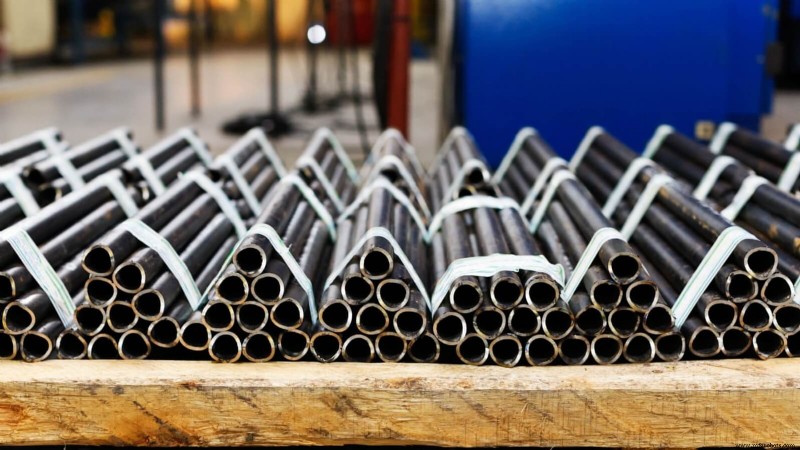
- Bare spots: Insufficient cleaning or fluxing. Tip: Ensure thorough surface prep.
- Excess zinc drips: Wrong withdrawal speed. Tip: Control speed precisely.
- Warping or distortion: Uneven heating/cooling. Tip: Uniform thermal management.
- White rust: Humid storage before cure. Tip: Dry and store in dry conditions.
- Pinholes or rough coating: Impurities in bath. Tip: Maintain bath purity.
- Weld slag or paint residue can inhibit bonding.
- Wet storage stains need careful drying.
Galvanized Steel vs. Stainless Steel
Choosing between the two depends on cost, corrosion resistance, and application.
- Cost: Galvanized steel is typically cheaper; stainless steel is more expensive due to chromium content.
- Corrosion resistance: Galvanized steel protects in moderate environments; stainless steel excels in marine, acidic, and extreme conditions.
- Applications: Galvanized steel for construction, automotive, outdoor structures; stainless steel for medical, food processing, marine, and high‑corrosion settings.
- Durability: Stainless steel offers long‑term resilience without frequent maintenance; galvanized steel requires periodic inspection and maintenance.
Identifying Galvanized Steel
- Visual: Spangle pattern.
- Spark test: Fewer sparks than non‑zinced metals.
- Corrosion appearance: Whitish or dull gray rust.
- Surface: Shiny metallic‑gray when new; matte or patina when weathered.
Properties of Galvanized Steel
- Excellent chemical resistance to atmospheric corrosion.
- Mechanical strength largely unchanged; adds abrasion resistance.
- Retains magnetic properties.
- Thermal tolerance up to zinc melting point.
Conclusion
Galvanization is more than a coating; it’s a protective strategy that extends the life of steel, reduces maintenance costs, and improves safety across countless industries. Whether you’re in construction, automotive, or infrastructure, selecting the right galvanization method can significantly enhance performance and longevity.
For deeper insights or customized solutions, consult a specialist in metal finishing. 3ERP specializes in prototyping and low‑volume manufacturing, offering expertise in corrosion‑resistant finishes such as anodized aluminum.
Frequently Asked Questions
1. Can Galvanized Metal Corrode Over Time?
Yes, but the zinc layer vastly extends life. Longevity depends on environment, coating thickness, and maintenance. In harsh marine or industrial settings, a thicker layer and regular inspections are recommended.
2. Can You Paint Galvanized Steel?
Yes. Proper surface preparation—cleaning, priming, and sometimes a T‑wash or sweep blasting—is essential for adhesion. Epoxy or acrylic urethane paints are commonly used.
3. Can You Weld Galvanized Steel?
Welding is possible but requires precautions. Remove zinc near the weld, ventilate to avoid inhalation of fumes, and consider re‑galvanizing or applying a zinc‑rich paint post‑weld.
4. Can You Galvanize Over Rust?
No. The steel must be completely free of rust and mill scale for the zinc to bond properly. Cleaning via pickling and fluxing is mandatory before dipping.
CNC Machine
- Haas CNC Machine Parameter List – Essential Settings for Lathes & Mills
- Saudi Arabia Praises Our Six-Sided CNC Drilling Machine and Exceptional Service
- Small 6090 CNC Router Shipped to New Zealand for Hobby Wood Crafts
- High‑Performance 1390 W CO₂ Laser Cutter for Acrylic – Ready to Ship to Moscow, Russia
- Affordable 1325 CNC Wood Engraving Machine Ready for Dispatch to Guatemala
- DATRON next© Control: Revolutionizing CNC Efficiency and Precision
- Top 10 Reliable Laser Cutting Machines from China – Precision, Power & Support
- Australian Customer Praises Blue Elephant's Nesting CNC Machines
- Mastering High Efficiency Milling: Techniques & Benefits
- Makino: Pioneering Japan’s First NC Milling Machine and Machining Center