



How Hot Can a Plasma Cutter Get? Understanding the Extreme Temperatures Behind Metal Cutting
Watching a plasma cutter in action is truly impressive. The device generates a high‑temperature plasma jet that slices through metal with precision. But just how hot can that plasma get? Let’s explore the science behind it.
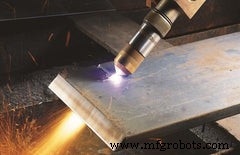
Typical Temperature Range of a Plasma Cutter
Modern industrial plasma cutters routinely produce plasma temperatures between 15,000 °C and 25,000 °C (27,000 °F to 45,000 °F). This is far hotter than the surface of the Sun (≈5,500 °C) and even hotter than the Earth’s core (≈10,000 °C). These temperatures are sufficient to melt most ferrous and non‑ferrous metals, allowing the tool to cut through thick steel, aluminum, and stainless steel with ease.
While laboratory experiments have achieved transient plasma temperatures approaching 30,000 °C, the sustained temperatures used in commercial cutters rarely exceed the 25,000 °C range. Claims of trillions of degrees are not supported by reputable scientific data and should be treated with skepticism.
Factors That Influence Plasma Temperature
Air Pressure
Higher compressed‑air pressure delivers a denser jet, increasing the plasma’s temperature and cutting speed. Adjusting the air supply is the most common way to fine‑tune performance.
Device Quality and Design
Well‑engineered cutters provide better power delivery and efficient plasma generation. While premium models can handle thicker materials, a mid‑range unit is often sufficient for hobbyist and light industrial use. For home projects, consult our guide to affordable plasma cutters to find a model that balances cost and capability.
Choice of Gassing Gas
The type of gas used to feed the plasma influences both temperature and cut quality. Compressed air is the most common and works well for a variety of metals. Oxygen is ideal for cutting mild steel, while nitrogen offers better performance on stainless steel and aluminum. For very thick steel, argon can help maintain a stable, high‑temperature plasma.
Essential Safety Protocols
Given the extreme temperatures involved, proper safety measures are crucial:
- Always wear a full‑face protective mask or helmet with a proper lens to shield against sparks and intense light.
- Use heat‑resistant clothing—thick jeans and gloves—to protect skin from accidental contact.
- Keep flammable materials and by‑products away from the work area.
- Never operate the cutter at maximum power unless absolutely necessary; adjust settings to match the material thickness.
- Ensure adequate ventilation to disperse fumes, especially when cutting non‑ferrous metals.
Conclusion
Plasma cutters harness temperatures that exceed those of the Sun and the Earth’s core, enabling rapid and clean cuts through a wide range of metals. Understanding the temperature limits, the variables that affect heat output, and the safety precautions will help you use this powerful tool responsibly and effectively.
CNC Machine
- Plasma Spraying: How the Process Protects Workpieces from Corrosion
- Understanding the Power Requirements of a Plasma Cutter: Wattage, Cost, and Portable Use
- Beginner’s Guide: Setting Up, Debugging, and Using a Plasma Cutter
- Comprehensive Guide to Plasma Cutting Technology
- Proven Tips for Maintaining Your Plasma Cutter: Extend Life & Performance
- CNC Plasma Cutters: Applications and Benefits in Modern Fabrication
- Plasma Cutting Explained: How It Works and Key Benefits
- How Plasma Cutters Work: The Science Behind Modern Metal Cutting
- Mastering Cutter Grinder Techniques: A Practical Guide
- Portable vs. Robotic Plasma Cutters: Which Is Right for Your Business?