



Plasma Spraying: How the Process Protects Workpieces from Corrosion
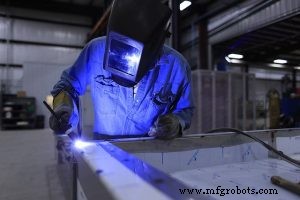
Protecting metal parts from rust, corrosion, and wear is a critical challenge in many industries. One of the most effective solutions is thermal spraying, a family of techniques that deposits a heated or melted coating onto a workpiece. Among these, plasma spraying stands out for its precision, versatility, and superior protective qualities. Below, we break down how plasma spraying works, why it’s so effective, and which applications benefit most.
What Is Plasma Spraying?
Plasma spraying is a high‑energy coating process that melts a feedstock—usually a liquid or powder—by blasting it into a plasma jet. The jet, generated by ionizing a gas such as argon or helium with an electric arc, reaches temperatures above 17,000 °F (9,400 °C). When the feedstock enters the jet, it instantly vaporizes, melts, and is propelled toward the substrate. As the molten droplets land, they flatten, cool, and fuse together, forming a dense, continuous “shell” that adheres to the surface.
How the Process Works
1. Feedstock Preparation – The coating material is shaped into fine powders or pre‑heated liquids. The particle size, purity, and composition are carefully controlled to achieve the desired properties. 2. Plasma Generation – A high‑current electric arc ionizes the carrier gas, creating a luminous plasma stream. 3. Spray Nozzle – The feedstock is injected into the plasma stream via a precisely engineered nozzle. The interaction between the molten material and the plasma generates a spray plume that travels toward the substrate. 4. Deposition & Cooling – The molten particles hit the substrate, flatten, and rapidly solidify. Repeated passes build up a thick, uniform coating that bonds strongly to the base material.
Benefits of Plasma Spraying
- Exceptional Corrosion Resistance – The resulting coating forms a robust barrier that prevents moisture and oxidizing agents from reaching the underlying metal, extending the component’s service life.
- High Thermal Stability – Coatings can withstand extreme temperatures, making them ideal for aerospace, automotive, and energy sectors.
- Versatility of Materials – From ceramic oxides and carbides to polymer‑based composites, plasma spraying accommodates a wide range of feedstocks, each offering unique mechanical, thermal, or electrical properties.
- Precision & Customization – Layer thickness, porosity, and composition can be tailored to meet specific design requirements.
- Low Waste & Energy Efficiency – The process recovers most feedstock, and the high heat is generated on‑site, reducing transport and handling costs.
Choosing the Right Coating Material
Selecting the optimal coating depends on the application’s operating conditions. Common materials include:
- Alumina (Al₂O₃) – High hardness and wear resistance for cutting tools.
- Chromium Oxide (Cr₂O₃) – Excellent oxidation resistance for high‑temperature exhaust systems.
- Zirconia (ZrO₂) – Superior thermal barrier properties for turbine blades.
- Polymethyl Methacrylate (PMMA) – Lightweight, UV‑stable coatings for optical components.
Applications and Industries
Plasma spraying is employed across a spectrum of sectors, including:
- Automotive – Protecting exhaust manifolds and engine parts.
- Aerospace – Enhancing turbine blades and fuselage components.
- Power Generation – Coating boiler tubes and heat exchangers.
- Medical Devices – Creating corrosion‑resistant implants.
- Construction – Adding protective layers to concrete and steel structures.
Conclusion
Plasma spraying delivers a durable, high‑performance coating that shields metal workpieces from corrosion, oxidation, and mechanical wear. By leveraging a plasma jet’s extreme temperatures, manufacturers can apply a wide range of materials with precision and consistency, ensuring long‑term reliability in demanding environments.
Industrial equipment
- Chromium: Properties, Production, and High‑Temperature Applications
- How Metal Stamping Works: A Comprehensive Guide for Modern Manufacturing
- How Hot Can a Plasma Cutter Get? Understanding the Extreme Temperatures Behind Metal Cutting
- Compression Molding Explained: Process, Materials, and Industrial Benefits
- Plasma Cutting Explained: How It Works and Key Benefits
- Plasma Arc Machining (PAM): How It Works and Its Industrial Applications
- Ultrasonic Welding Explained: Seamless Bonding Without Fasteners
- The Role of Friction Materials in Vehicle Brakes and Industrial Applications
- The Mechanics of Clutches: A Comprehensive Industrial Guide
- Understanding Offset Printing: A Comprehensive Guide