



Binder Jet 3D Printing Explained: Process, Benefits, and Limitations
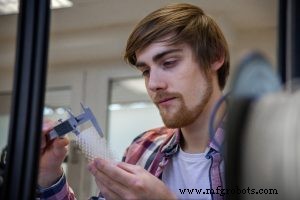
Since the mid‑1990s, binder jet has stood out as one of the earliest and most versatile 3D‑printing technologies. By depositing a liquid binder onto a bed of fine powder, it creates solid objects layer by layer—ranging from playful figurines to precision engineering components. In this guide, we’ll walk through how it works, its key advantages, and the scenarios where it shines or falls short.
How Binder Jet 3D Printing Works
Binder jet, often called drop‑on‑powder, uses an inkjet‑style head to spray a binding agent onto a powder bed. As the print head traverses the platform, the binder selectively solidifies the powder, building the part from the inside out. Because the process never requires melting the material, it proceeds entirely at room temperature, which protects heat‑sensitive designs and keeps energy costs low.
Advantages of Binder Jet Printing
- Heat‑Free Process: The absence of high temperatures eliminates warping and thermal stress, making it ideal for thermally sensitive parts.
- Cost‑Effective Hardware: Commercial and hobby‑grade machines are generally less expensive than FDM or SLS systems, and the ability to recycle unused powder reduces material waste.
- Material Versatility: Common powders include ceramic, metal, and sand, enabling a wide range of end‑use applications from architectural models to functional prototypes.
Limitations to Consider
- Mechanical Strength: Parts are bonded by the binder rather than a continuous matrix, so they typically lack the strength of sintered or fused‑layer prints. This is acceptable for non‑load‑bearing prototypes but may be unsuitable for critical structural components.
- Post‑Processing Required: Most binder‑jet parts need additional steps—such as infiltration, sintering, or resin coating—to reach desired density and mechanical performance.
- Resolution Constraints: The droplet size of the binder limits fine detail, which can be a drawback for high‑precision parts.
When to Use Binder Jet Printing
Binder jet excels in:
- Architectural and engineering scale models where dimensional accuracy matters more than structural strength.
- Prototyping functional parts that will undergo further processing (e.g., metal infiltration or ceramic sintering).
- Rapid, low‑volume production runs where cost and speed outweigh ultimate part robustness.
Conclusion
Binder jet 3D printing offers a unique blend of speed, affordability, and material flexibility, especially for non‑load‑bearing prototypes and complex geometries. While it falls short in raw strength compared to melt‑based technologies, its room‑temperature process and reusable powder supply make it a compelling choice for many design workflows.
Learn more about Monroe’s Additive Printing Service or get your parts printed now!
Industrial equipment
- Multi‑Material 3D Printing: Unlocking Complex Designs & Faster Production
- Robocasting 3D Printing: Process, Differences, and Key Advantages
- Binder Jet 3D Printing: How It Works and Why It Matters
- Understanding Ringing (Ghosting) in 3D Printing and How to Eliminate It
- What Is a 3D Printing Marketplace? A Complete Guide to Buying and Selling 3D Models
- Bioprinting Explained: How 3D Printing Creates Living Tissues & Future Organs
- 4D Printing Explained: The Future of Adaptive, Time‑Responsive Manufacturing
- The Fundamentals of 3D Printing: Process, Applications, and Benefits
- Demystifying 3D Printing: A Clear Guide for Innovators
- Jet Nozzles Explained: Boosting Aircraft Thrust & Fluid Dynamics