



Multi‑Material 3D Printing: Unlocking Complex Designs & Faster Production
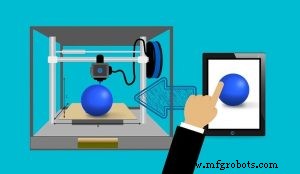
3D printing is reshaping manufacturing, and multi‑material additive manufacturing is at the forefront of that change. According to AMFG, the global market for 3D printing materials is projected to reach almost $500 million by 2029, underscoring the technology’s growing commercial impact.
What Exactly Is Multi‑Material 3D Printing?
Multi‑material 3D printing extends traditional additive manufacturing by enabling a single machine to deposit two or more distinct materials during a single build. The printer can switch between filaments, resins, or metal powders on the fly, creating parts with integrated functions, varied mechanical properties, or aesthetic gradients.
Historical Context
While 3D printers appeared in the 1980s, the first true multi‑material system, Fab@Home, debuted in 2006. Since then, the field has matured rapidly, with commercial machines from Stratasys, HP, and EOS now offering reliable, high‑volume multi‑material solutions.
Key Benefits for Manufacturers
- Design Freedom – Combine rigid and flexible polymers, embed electronics, or create graded materials in a single part.
- Reduced Lead Time – Produce complex assemblies in one print, cutting setup and post‑processing steps.
- Cost Efficiency – Lower tooling costs and inventory by printing customized, multi‑material components on demand.
- Enhanced Performance – Integrate materials with complementary strengths, such as impact‑resistant cores with wear‑resistant surfaces.
When to Choose Multi‑Material Printing
Ideal for prototypes, end‑use parts, or applications requiring multi‑functionality—such as medical implants with a flexible outer shell and a rigid core, or aerospace components that combine lightweight polymers with load‑bearing metals.
Conclusion
Multi‑material 3D printing empowers manufacturers to build complex, high‑performance parts faster and more cost‑effectively than single‑material approaches. By layering diverse materials in a single build, companies can innovate design, reduce waste, and accelerate time to market.
Explore Monroe’s Additive Printing Service or get your parts printed today!
Industrial equipment
- Robocasting 3D Printing: Process, Differences, and Key Advantages
- Understanding Ringing (Ghosting) in 3D Printing and How to Eliminate It
- What Is a 3D Printing Marketplace? A Complete Guide to Buying and Selling 3D Models
- Bioprinting Explained: How 3D Printing Creates Living Tissues & Future Organs
- 4D Printing Explained: The Future of Adaptive, Time‑Responsive Manufacturing
- The Fundamentals of 3D Printing: Process, Applications, and Benefits
- Understanding SLA 3D Printing: Process, Benefits, and Applications
- Understanding SLS 3D Printing: How Selective Laser Sintering Creates Durable Parts
- Demystifying 3D Printing: A Clear Guide for Innovators
- Understanding Resin 3D Printing: Process, Applications, and Benefits