



What to Make of 3D‑Printed Firearms: Ethics, Technology, and Public Policy
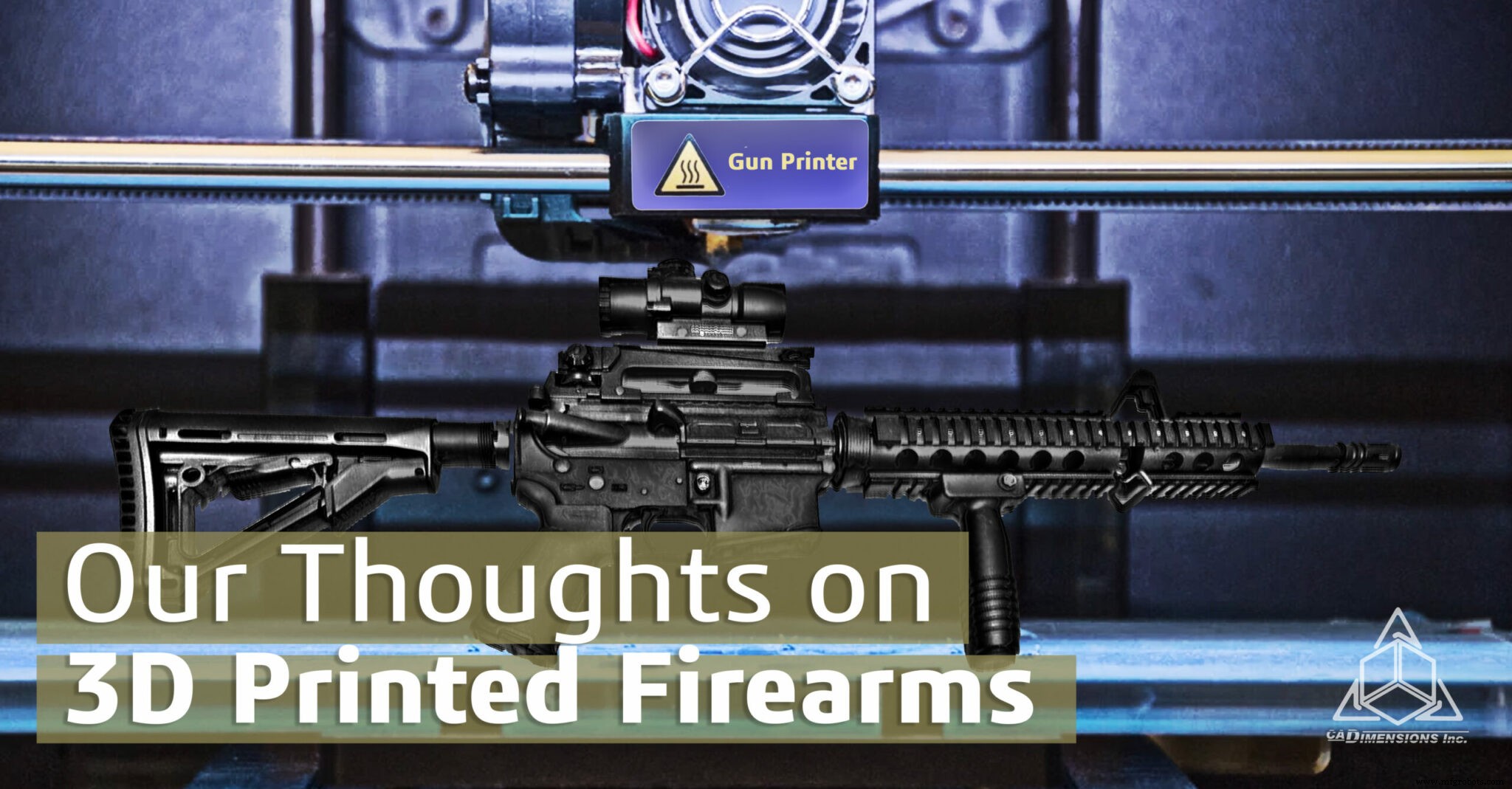
Are 3D‑Printed Guns a Good Idea?
The ethics of 3D‑printed firearms remain a highly charged public debate, likely intensifying as courts weigh the legality of downloadable designs. While some view this issue as a potential reputational risk for the broader additive‑manufacturing industry, it is clear that the conversation will shape policy and public perception for years to come.
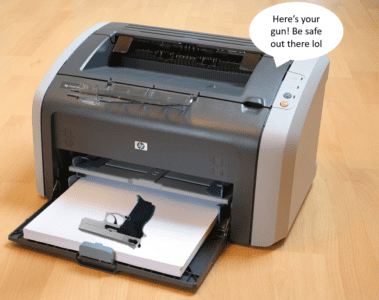
**This is NOT what 3D printing a gun is like! At all!**
Tools Are Neutral; Context Matters
Tools themselves do not possess moral intent—well‑intentioned individuals may misuse them, just as poorly designed weapons can be employed for harm. Even with limited‑use designs, a 3D‑printed gun often remains a one‑shot device with questionable accuracy, yet the public discourse frequently focuses on hypothetical misuse rather than technical realities.
As a technologist, I am compelled to ask:
• What material best withstands the pressure of firing a bullet?
• How many rounds can a single print endure before failure?
• Can barrel geometry be altered to improve accuracy?
These questions reveal that firearm manufacturing is a precise metal‑working discipline, and 3D printing is now disrupting that legacy process across automotive, aerospace, and other sectors.
3D Printing: Disrupting Traditional Manufacturing
3D printing accelerates production, reduces costs, and simplifies design workflows. When applied to high‑risk items like firearms, the benefits are accompanied by public concern. Yet the technology itself is not inherently violent; it merely extends the capabilities of any precision tool—CNC machines, lathes, or hand tools—into the realm of additive manufacturing.
Imagine the possibilities for blacksmiths of the past if they had a 3D printer instead of an anvil: rapid prototyping, complex geometries, and reduced material waste. In the same way, modern 3D printers can produce medical devices, custom tools, and educational kits—solutions that enhance quality of life.
Potential Uses Beyond Firearms
When responsibly applied, 3D printing offers transformative benefits across many industries. By encouraging open standards, supporting rigorous testing, and fostering transparent regulation, society can reap the advantages of additive manufacturing while mitigating misuse.
It is my hope that future legislation will balance the need for public safety with the recognition that 3D printing is a powerful, neutral technology. The goal should be to promote innovation without inadvertently catalyzing a proliferation of homemade weaponry.
Tags: 3D Printing
3D printing
- Multi‑Material 3D Printing: Unlocking Complex Designs & Faster Production
- Robocasting 3D Printing: Process, Differences, and Key Advantages
- Understanding Ringing (Ghosting) in 3D Printing and How to Eliminate It
- Bioprinting Explained: How 3D Printing Creates Living Tissues & Future Organs
- 4D Printing Explained: The Future of Adaptive, Time‑Responsive Manufacturing
- Beyond Prototypes: Real‑World Innovations Made with 3D Printing
- Understanding SLA 3D Printing: Process, Benefits, and Applications
- Understanding SLS 3D Printing: How Selective Laser Sintering Creates Durable Parts
- Demystifying 3D Printing: A Clear Guide for Innovators
- Understanding Resin 3D Printing: Process, Applications, and Benefits