



3D Printing Materials Cheat Sheet: Choosing the Right Polymer for Your Application
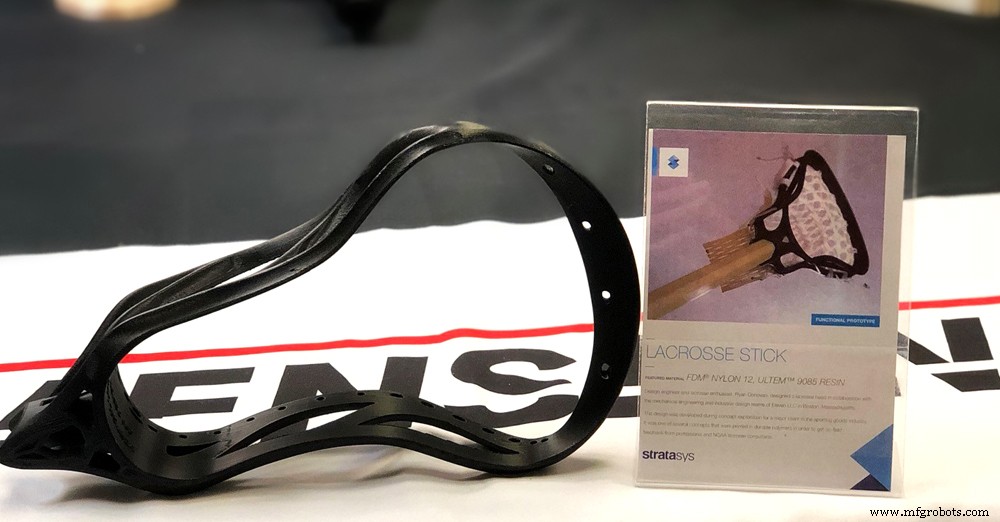
3D printing materials span a broad spectrum of polymers, and selecting the appropriate one hinges on your printer type, the intended application, and environmental demands. Our clients frequently ask, “Which material should I use?” While the answer is rarely straightforward, a clear understanding of each polymer’s strengths can streamline your decision. Below is a concise cheat sheet that outlines the key characteristics of four popular materials—ABS, Nylon, Polycarbonate, and Ultem—so you can match the right plastic to your project.
ABS
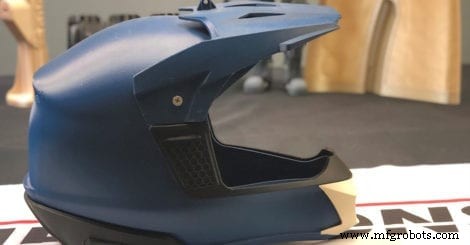
ABS remains the industry standard for entry‑level 3D printers. Known for its low cost and ease of use, ABS is the same polymer found in LEGO bricks and Xbox controllers. It is ideal for tooling, fixtures, and prototypes that will not experience temperatures above 100 °C or contact with aggressive chemicals. In our FabLab, we prefer ASA over ABS because ASA offers improved UV resistance, a finer surface finish, and slightly higher mechanical strength.
Nylon
Nylon excels in applications requiring flexibility, impact resistance, and chemical durability. Its ability to flex without breaking makes it perfect for snap‑fit joints and parts that endure repeated handling. Unlike ABS, Nylon retains its strength in a wider temperature range and resists many solvents. However, nylon filaments can absorb moisture, so home users often need to dry the filament before printing. Industrial systems—such as the Fortus 450—maintain filaments in sealed, climate‑controlled environments, producing parts that are stronger and more consistent.
Polycarbonate (PC)
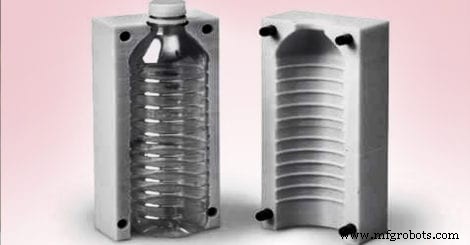
Polycarbonate is the polymer behind bullet‑proof glass, a testament to its exceptional toughness. PC offers higher rigidity than nylon while still providing robust chemical and temperature resistance. For functional prototypes, structural framing, and tooling that must endure high forces, PC is often the material of choice. As with any engineering‑grade plastic, the final decision should be based on a careful assessment of the part’s mechanical loads and environmental exposure.
Ultem (PEI)
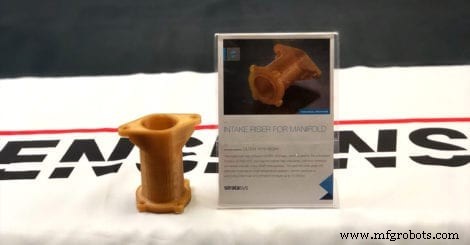
Ultem, also known as polyetherimide (PEI), delivers outstanding strength, high‑temperature tolerance, and superior chemical resistance. We offer several Ultem blends tailored for specific applications. When components must withstand temperatures up to 200 °C or exposure to hazardous chemicals such as gasoline, Ultem is the go‑to material. It is widely employed in aerospace and high‑performance automotive tooling, fixtures, and end‑use parts.
Use this cheat sheet as a quick reference to identify the polymer that best aligns with your design requirements. Each material has a niche where it truly shines.
Stay tuned for our upcoming post on PolyJet materials, which will expand your additive manufacturing options even further.
Tags: 3D Printing, Additive Manufacturing, Thermoplastics
3D printing
- Azure DevOps Cheat Sheet – Core Concepts, Tools, and Interview Essentials
- Revolutionizing Space Travel with Next‑Generation 3D‑Printed Materials
- Nylon 3D Printing: Expert Guide to Materials, Tech, and Applications
- High‑Performance 3D‑Printed Fixtures: Solving Skilled Labor Shortages and Boosting Quality
- Expert Guide to Metal 3D Printing Materials: Steel, Superalloys, Titanium, Copper, and Aluminum
- A Comprehensive Guide to FDM 3D Printing Materials: PLA, ABS, and Emerging Options
- 10 Strongest 3D Printing Materials for Ultimate Durability
- Eco-Friendly Biodegradable Materials for 3D Printing: Sustainable Solutions
- Expert Guide to Choosing 3D Printing Materials for SLS, MJF, FDM, SLA & DLS™
- Comprehensive Guide to Selecting Plastic Materials for 3D Printing