



High‑Performance 3D‑Printed Fixtures: Solving Skilled Labor Shortages and Boosting Quality
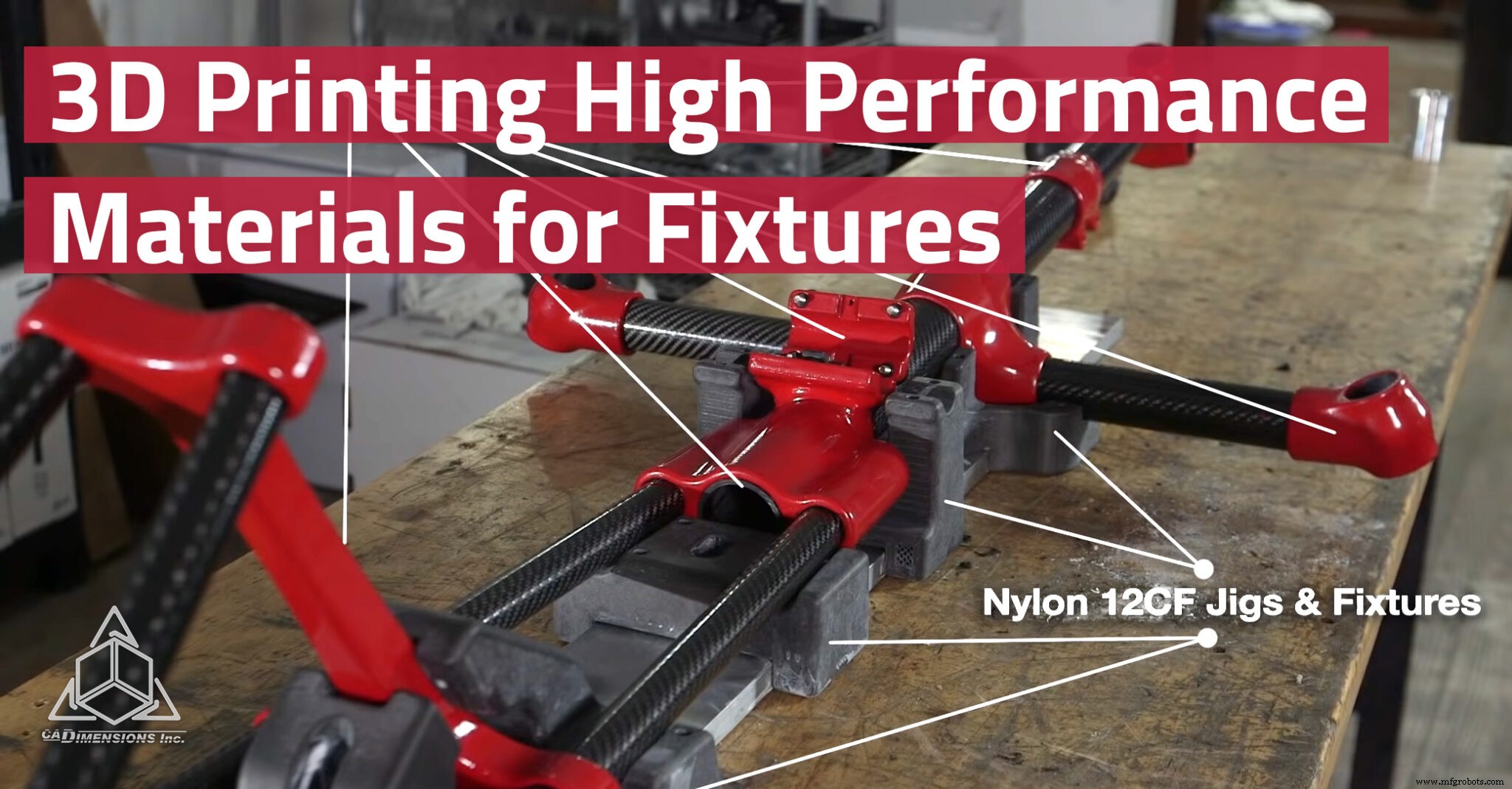
Manufacturing firms today face a persistent challenge: recruiting and retaining skilled machinists and tool‑and‑die specialists. With more graduates pursuing four‑year degrees, the trade skill gap widens, increasing the cost of production and the risk of delayed deliveries. 3D‑printed fixtures offer a pragmatic solution that frees expert labor for precision tasks and delivers reliable, cost‑effective tooling.
In the modern production environment, every hour a seasoned machinist spends on creating jigs, fixtures, or alignment aids represents lost opportunity for value‑added work. By shifting the design and fabrication of these tools to a 3D printer, manufacturers can keep CNC machines, lathes, and other critical equipment focused on core part production.
High‑Strength Materials Beyond ABS
While ABS plastic is a common starting point for basic fixtures, many applications demand greater rigidity and durability. Early adopters of 3D printing for tooling often began with prototyping and quickly realized that the true ROI emerged when jigs, fixtures, and assembly aids were produced in high‑performance materials. For example, Utah Trikes transitioned from Ultem to a carbon‑fiber‑reinforced nylon composite, achieving the necessary strength without sacrificing manufacturability.
Four Key Benefits of 3D‑Printed Jigs and Fixtures
1. Free Up Production Resources
When a production machine is diverted to build a fixture, scheduled part runs are delayed, impacting customer commitments. 3D printing enables dedicated tooling production, ensuring that CNC routers, millers, and lathes remain available for core manufacturing.
2. Reduce Design and Build Time
Traditional fixture design is constrained by the geometry and capabilities of 3‑axis mills, often leading to iterative redesigns. 3D printers allow engineers to craft complex, optimised shapes in a single pass, slashing both design iterations and build times.
3. Enhance Worker Safety and Morale
Ergonomic, lightweight fixtures reduce repetitive strain injuries and fatigue, lowering the risk of accidents and workers’ compensation claims. A safer workplace translates to higher employee satisfaction and productivity.
4. Deliver Superior Product Quality
High‑performance 3D‑printed fixtures provide precise, repeatable positioning that reduces dimensional variation in finished parts. Unlike ad‑hoc scrap fixtures, these tools enable consistent, high‑quality output while keeping costs low.
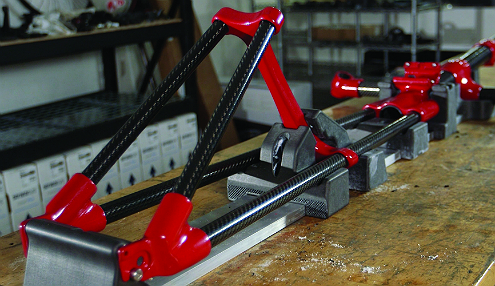
Use High‑Performance Materials on Your Next 3D Print
Use Our Instant Quoting Tool
Instant Quote
3D printing
- How 3D Printing Transforms Jigs & Fixtures: 6 Proven Ways to Boost Production Efficiency
- ULTEM & PEEK: Mastering High‑Performance 3D Printing Materials
- Stratasys Unveils Antero800na & Nylon12‑CF, New High‑Performance 3D Polymers for Aerospace, Automotive, and Industrial Parts
- Revolutionize Assembly Fixtures with Markforged Composite 3D Printing
- Master 3D Printing with Wood Filament: Techniques & Benefits
- 10 Strongest 3D Printing Materials for Ultimate Durability
- Eco-Friendly Biodegradable Materials for 3D Printing: Sustainable Solutions
- Expert Guide to Choosing 3D Printing Materials for SLS, MJF, FDM, SLA & DLS™
- Design Jigs & Fixtures Using CNC Machining & 3D Printing
- Enhancing 3D Printing: Mastering Support Structures for Complex Builds