



Navigating Rising Steel and Aluminum Tariffs: Strategies to Reduce Raw Material Costs
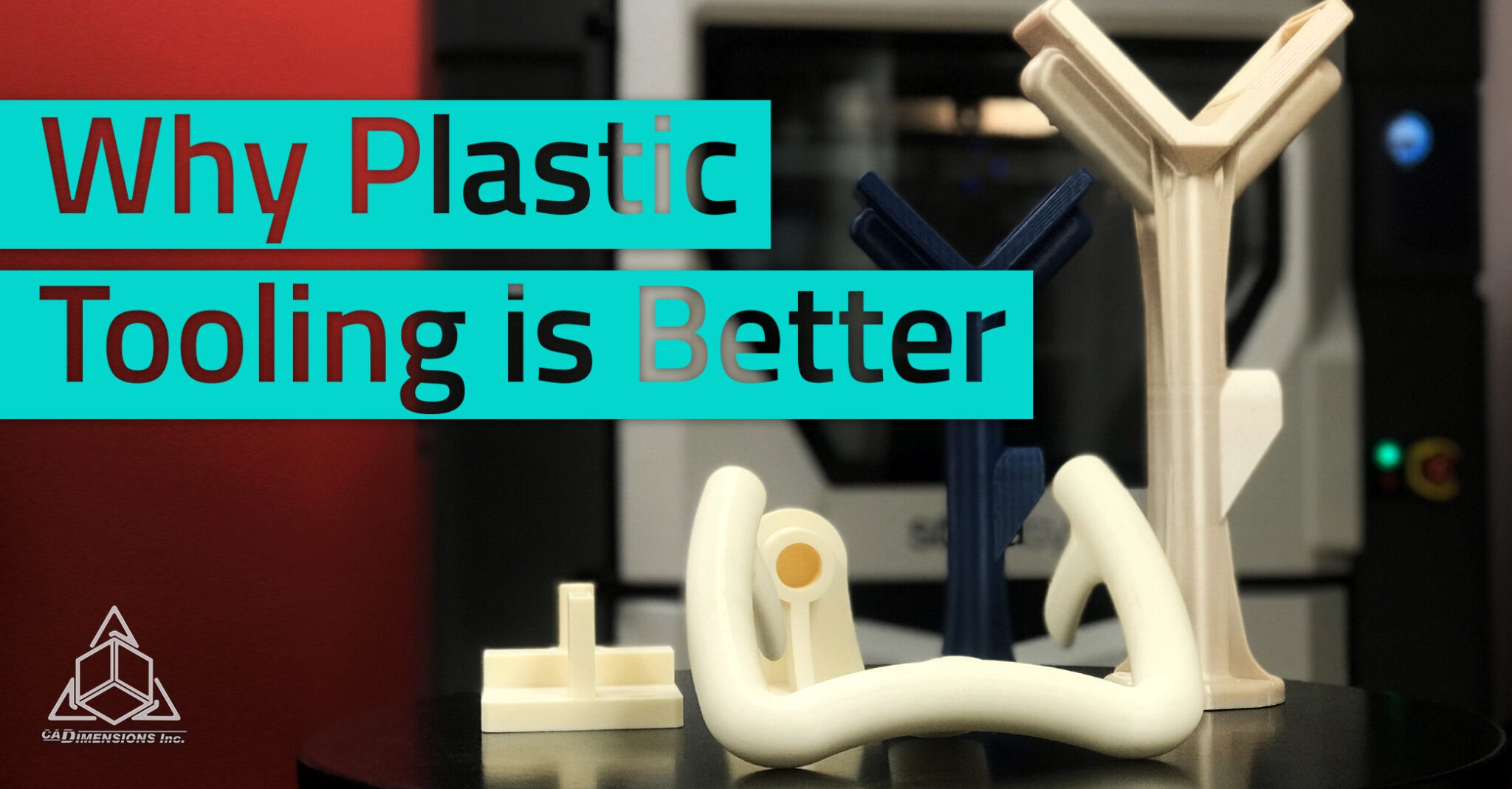
Since last year, the United States imposed worldwide tariffs on steel (25%) and aluminum (10%). These duties have amplified raw‑material costs, creating a significant burden for manufacturers who rely on these metals for both product components and tooling.
According to Reuters, almost all steel and aluminum imports now carry these added charges, except for a handful of exempt countries. The impact is comparable to a sudden 25% hike in gasoline or car payments—an economic shock many would find difficult to absorb.
In fact, nearly 50% of manufacturing firms cite escalating material costs as their primary challenge. Faced with an external factor beyond their control, companies must adapt. Rather than abandoning metal entirely, many are turning to high‑strength, lightweight plastics for tooling and fixtures.
Our customer base is predominantly manufacturing, and we observe that most metal tooling shelves are overstocked. In 90% of cases, these fixtures could have been fabricated from plastic, yet metal was chosen simply because it was the readily available option. Only rare scenarios—where extreme tolerances or temperature resistance are required—justify metal.
Why 3D‑Printed Plastic Tooling Outperforms Metal
3D printing offers two decisive advantages over traditional metal fabrication: lightweight construction and superior ergonomics. Most 3D‑printed parts feature a lattice core rather than solid plastic, dramatically reducing weight. Lighter tools lower the risk of injury if dropped or mishandled. Considering the average workers’ compensation claim costs a company $40,000, this risk mitigation is financially prudent.
Ergonomics is another critical benefit. 3D printing removes the geometric constraints of a 3‑axis mill, enabling designers to create tools with shapes that enhance user comfort. This improvement is especially valuable for operators who repeatedly use the same tool for extended periods.
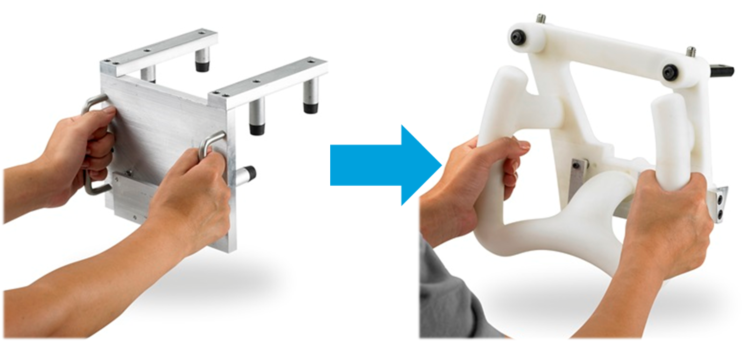
BMW leveraged 3D printing to transform a conventional tool into a lighter, more ergonomic version that also shortened production time. This case demonstrates how plastic tooling can deliver both cost savings and operational efficiency.
Manufacturing firms today face numerous challenges, but rising raw‑material costs remain one of the most painful. Switching from metal to 3D‑printed plastic fixtures, tooling, and assembly aids is a proven strategy to reduce material expenses, improve safety, and streamline production.
For additional insight, read this Forbes article on how 3D printing can counteract tariffs.
Start 3D Printing Your Designs
Use Our Instant Quoting Tool
3D printing
- Breakdown Maintenance Explained: Rapid Response & Cost Control
- Calculating ROI for Metal 3D Printers: A Practical Guide
- Saint‑Gobain Boosts Production Efficiency with Markforged 3D Printing
- Calculating ROI for the Metal X 3D Metal Printer – A Practical Guide
- Accurately Calculate Employee Costs with Overhead: A Complete Guide
- Revolutionize Sheet Metal Bending with Robotics: Boost Efficiency & Safety
- What Is the Cost of a Metal CNC Machine? Pricing Insights & Investment Guide
- Enhancing Metal Fabrication with Advanced Material Handling Robots
- Navigating Raw Material Cost Volatility: Strategies for Stability and Profitability
- Calculating SLS 3D Printing Costs: A Step-by-Step Guide for Sinterit Lisa & Lisa Pro