



How 3D Printing Transforms Jigs & Fixtures: 6 Proven Ways to Boost Production Efficiency
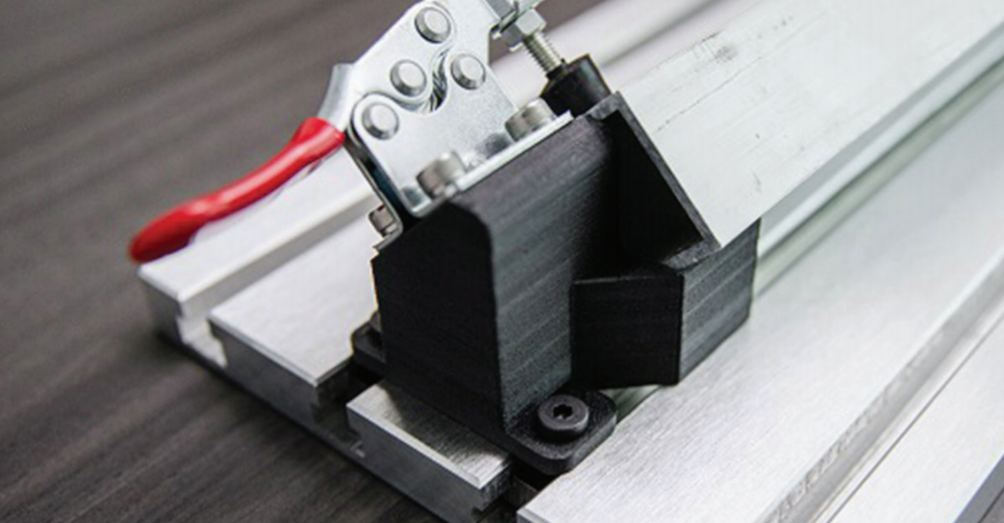
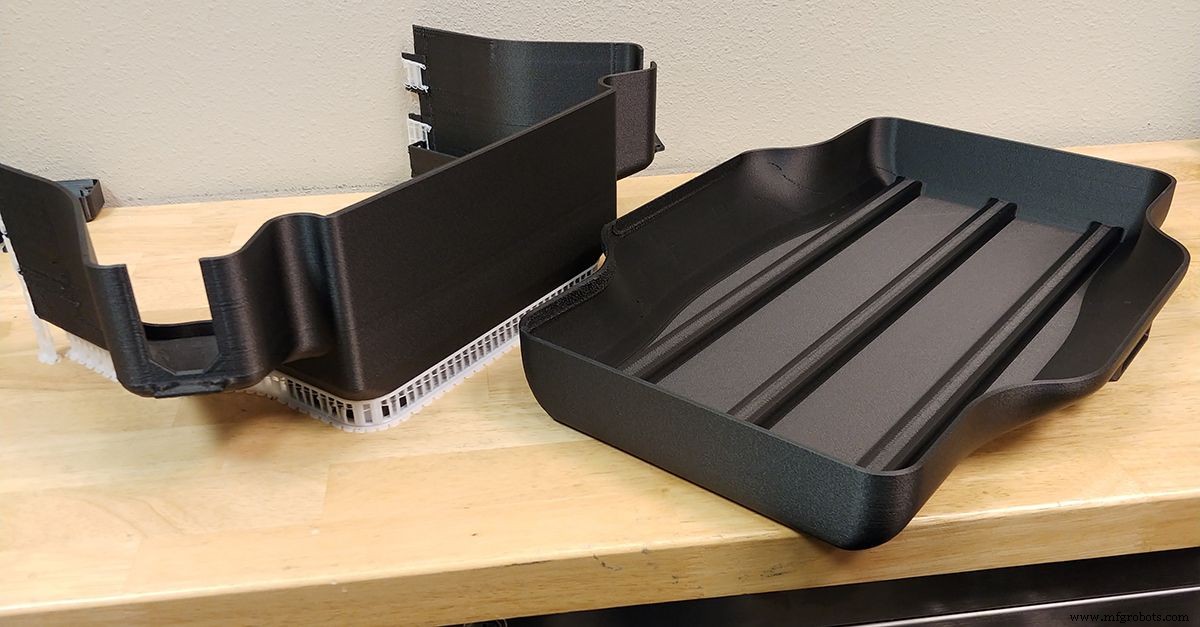
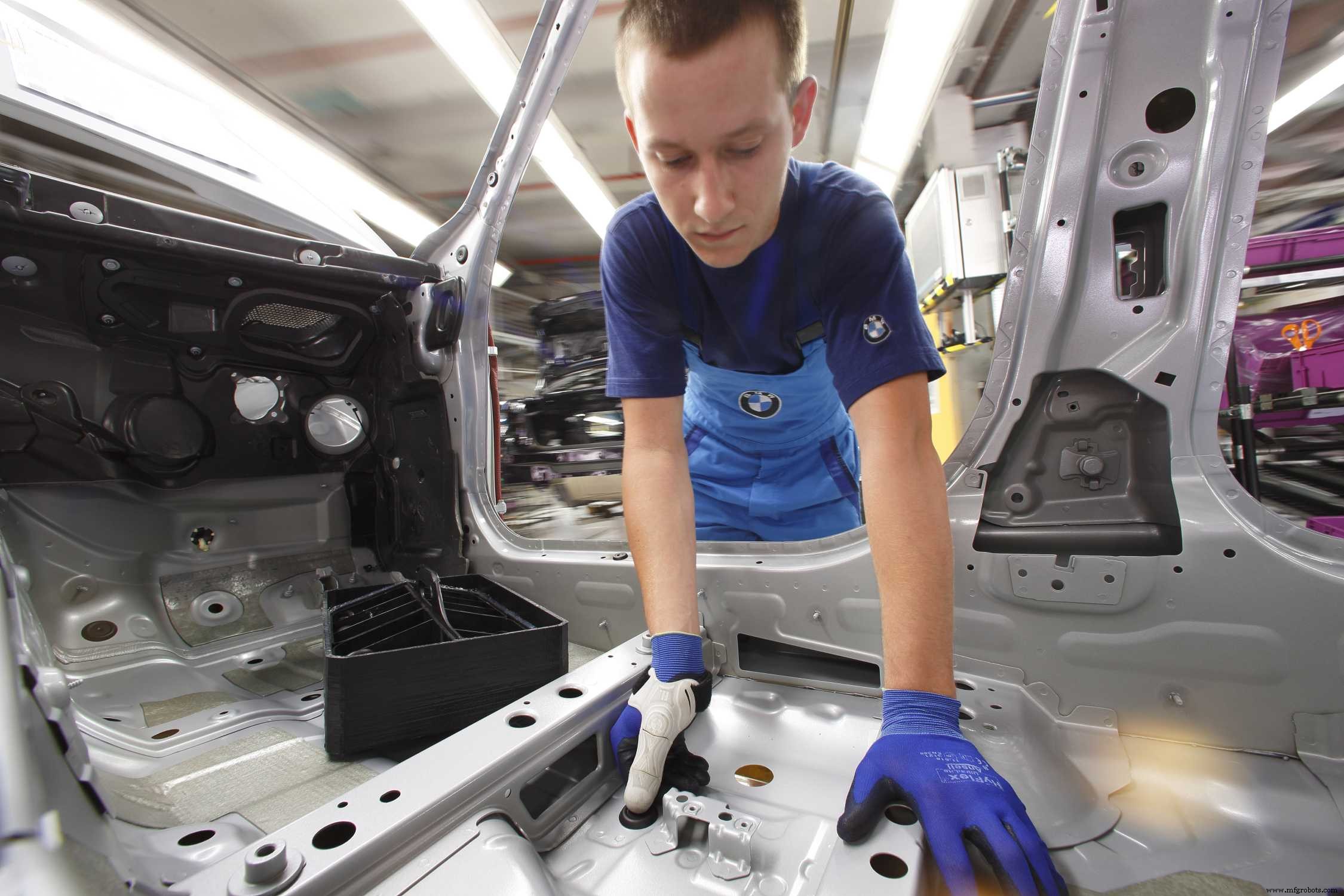
Jigs, fixtures and grips are indispensable, yet often overlooked, tools that underpin every manufacturing line. Their quality directly determines productivity, safety and product consistency. In recent years, industry leaders such as Volkswagen, Boeing, and Jabil have turned to 3D printing to produce these tooling aids, unlocking a new era of lean manufacturing. What tangible benefits does 3D printing bring to the fabrication of jigs and fixtures? Optimising production hinges on reliable tooling. Jigs and fixtures ensure that each part is produced with high precision, repeatability and minimal waste, while also protecting workers from repetitive strain. They achieve this by: Between 2017 and 2021, the share of companies using additive manufacturing for tooling grew from 30% to 57%—a clear sign of the industry’s shift. Conventional methods—CNC machining, welding, and hand assembly—can consume days or weeks, involve complex planning, and demand highly skilled operators. The result: long lead times, high costs, and limited flexibility. By contrast, 3D printing allows on‑demand production of jigs and fixtures at a fraction of the material cost, and supports rapid iteration. Digital manufacturing turns a CAD file into a physical part in hours. Volkswagen Autoeuropa reported an 89% time saving using 3D‑printed tooling, while Stratasys research cites up to 90% lead‑time reduction. Speed also means designers can prototype multiple iterations in a single day, freeing engineering teams from lengthy supplier cycles. In‑house 3D printing eliminates outsourcing fees and inventory holding costs. Liberty Electronics cut the cost of a custom tool by 85% after switching to in‑house additive manufacturing. Because the process is additive, material waste is virtually eliminated. Lightweight, high‑performance materials lower the physical burden on workers. Eckhart, for example, used a 3D‑printed jig that attaches to a vehicle’s windshield, enabling consistent wiper blade installation in 45 seconds and eliminating rework. From advanced polymers like PEKK and ULTEM to composites and rubbers, 3D printing offers a spectrum of materials with tailored mechanical, chemical, and thermal properties—ideal for high‑performance tooling. AM lets designers embed serial numbers, fabrication dates, and other metadata directly into the part, streamlining inventory tracking. Complex geometries that would be impossible to machine can now be printed in a single build. Custom, complex shapes—such as surgical guides or bespoke assembly aids—can be produced effortlessly. In the medical field, 3D‑printed surgical guides reduce operative time and enhance patient outcomes. With over 100 facilities worldwide, Jabil leverages Ultimaker AM systems to produce jigs and fixtures. The Auburn Hills plant demonstrates cost reductions of up to 30% and lead‑time cuts of 80%, while maintaining high customer satisfaction. Moog’s use of FDM to print CMM fixtures slashes lead time from four‑six weeks to roughly 20 hours and reduces costs from £2,000 to a few hundred pounds. In 2016, a partnership with Oak Ridge National Laboratory produced a record‑setting 3D‑printed trim‑and‑drill tool for the 777X in just 30 hours, using the Big Area Additive Manufacturing (BAAM) machine. BMW’s 3D‑printed hand tools weigh 72% less than their metal counterparts, enhancing worker ergonomics and tool performance. Renault switched from CNC‑machined exhaust jigs to SLA‑printed versions, enabling the production of 15 jigs overnight and eliminating the week‑long build cycle. Start with a design that exploits the freedom of additive manufacturing—incorporating features that would be impossible or costly with subtractive methods. Automated design tools from Trinckle and Stratasys’ Fixture Generator can reduce design time from hours to minutes, delivering both speed and cost savings. Replace ad‑hoc email requests and shared folders with a digital catalogue that links 3D design files to production requirements. Integrating this catalogue with an additive MES system streamlines ordering, scheduling, and traceability. While jigs and fixtures may seem routine, they are pivotal to manufacturing excellence. Additive manufacturing offers unparalleled speed, cost efficiency, and design flexibility—enabling firms to produce bespoke tooling at scale. Companies that adopt 3D printing today will reap the benefits of smoother, more responsive production lines tomorrow.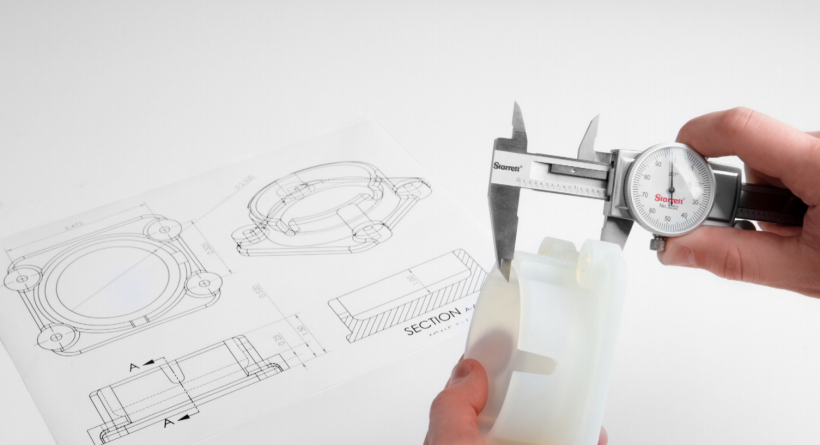
The importance of jigs and fixtures
3D‑Printed Tools: Breaking with Tradition
Why 3D Printing?
1. Faster lead times
2. Reduced costs
3. Improved ergonomics
4. Greater material variety
5. Improved performance
6. Customisation
3D Printed Jigs and Fixtures in Action
Manufacturing
Jabil
Aerospace
Moog Aircraft Group
Boeing
Automotive
BMW
Renault Sport F1
How to Maximise the Impact of 3D‑Printed Jigs & Fixtures
Optimise Tool Design
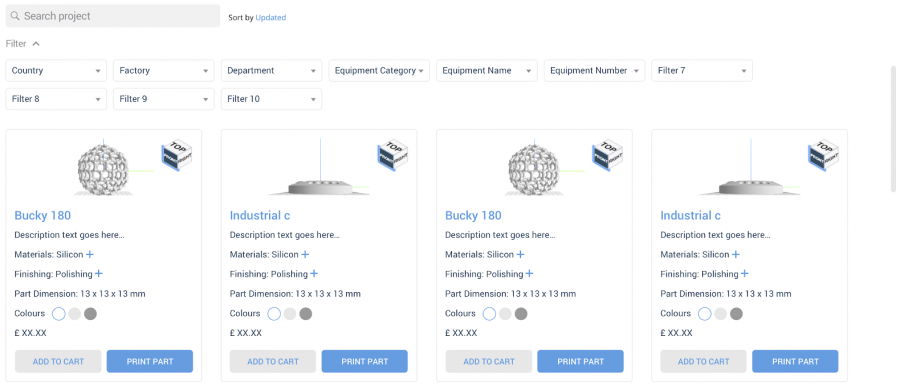
Digitalise Inventory for Easy Reordering
The Future of Tooling is 3D Printing
3D printing
- How 3D Printing Reduces Manufacturing Costs: 6 Proven Strategies
- 4 Ways 3D Printing Accelerates Maintenance, Repair & Overhaul Operations
- Stratasys Launches GrabCAD Voxel Print for J750 and Partners with e‑Xstream for Advanced Simulation
- High‑Performance 3D‑Printed Fixtures: Solving Skilled Labor Shortages and Boosting Quality
- Onyx: The Next Leap in Production‑Ready 3D Printing
- Revolutionize Assembly Fixtures with Markforged Composite 3D Printing
- How 3D‑Printed Fixtures Save Shop Time: Harnessing Tough Nylon and Fiber‑Reinforced Parts
- How AI and IoT Transform Manufacturing: 3 Proven Strategies
- Understanding Jigs and Fixtures: Key Tools for Precision Manufacturing
- Design Jigs & Fixtures Using CNC Machining & 3D Printing