



7 Powerful Ways AI Is Transforming Manufacturing
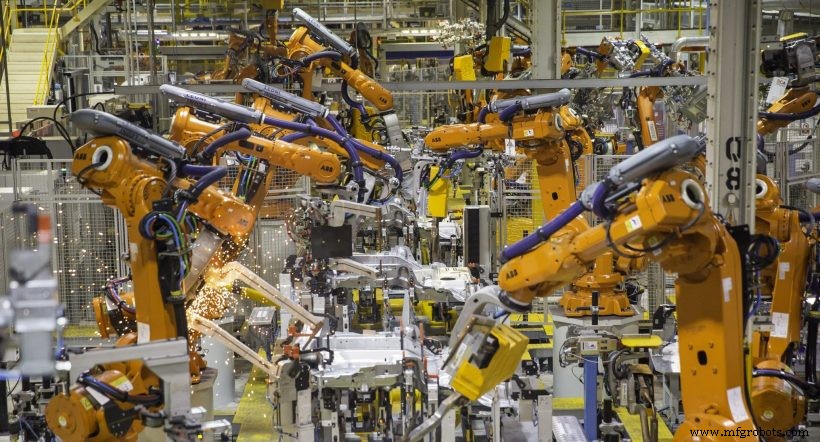
Artificial intelligence is accelerating the shift to fully automated production, laying the foundation for the next wave of smart factories. By augmenting human skills, delivering real‑time insights, and unlocking rapid design iteration, AI is reshaping every facet of modern manufacturing.
The Fourth Industrial Revolution: AI at the Helm
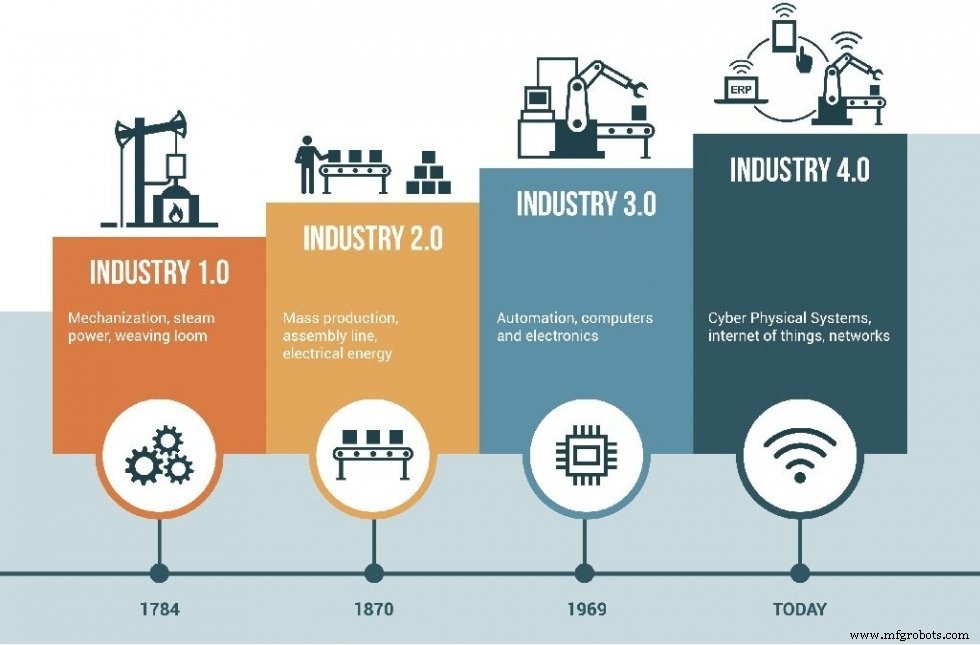
From steam‑powered machines of the 1800s to the first industrial robot unveiled by General Motors in 1961, manufacturing has continuously evolved. Today’s Industry 4.0—defined by automation, data exchange, the Internet of Things, cloud computing, and AI—represents the latest leap forward.
Consider a factory floor sensor that flags a malfunctioning component. The data travels to the cloud, triggers an instant alert, and automatically requests a replacement part. This real‑time response exemplifies how AI-driven analytics can boost overall line efficiency.
7 Key Ways AI Is Revolutionizing Manufacturing
1. Optimising Production Processes
AI can streamline the production floor by automating repetitive tasks. Robotics—already used for assembly, lifting, and packaging—free human workers to focus on more complex responsibilities.
Siemens’ two‑armed robot, unveiled last year, can manufacture prototypes without explicit programming, reading CAD models to determine its own tasks. Future developments promise fully autonomous production lines.
Machine‑learning algorithms monitor every production stage—from lead times to material usage—and, in additive manufacturing, predict fill rates to fine‑tune scheduling.
2. Safer Working Environments
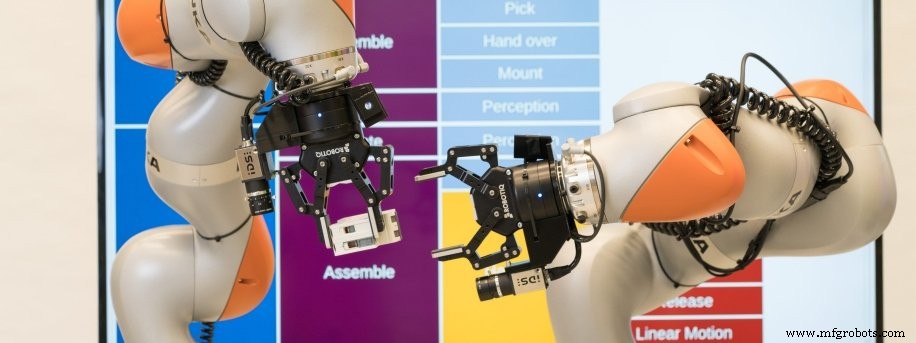
Collaborative robots, or "cobots," are lightweight, affordable, and designed to work alongside humans. They tackle hazardous tasks, allowing workers to concentrate on higher‑value work.
Unlike rule‑based machines, AI‑driven cobots learn from vast data sets, adapting to unexpected changes. Integrated sensors can detect dangerous situations and preemptively act to protect personnel.
3. Demand Forecasting
Accurate demand prediction is vital for efficient production. AI systems test numerous models and identify patterns in real time, enabling manufacturers to prioritize the right products.

4. Product Innovation
Generative design—used by firms like Airbus and New Balance—employs AI to generate thousands of design options. Engineers then select the most suitable solutions, accelerating innovation while reducing cost.
5. Simplified Supply Chains
A recent study found that companies spend 6,500 hours annually on manual supply‑chain tasks such as invoice processing and supplier follow‑ups. AI can automate these chores and uncover demand patterns tied to market trends, politics, and socioeconomic shifts.
Optimising decision‑making across the supply chain shortens delivery times and balances supply with demand.
6. Predictive Maintenance
Equipment uptime is critical. Traditional maintenance schedules often ignore actual machine health, leading to wasted labor and costly downtime.
AI‑enabled predictive maintenance uses sensors to monitor tool conditions and applies machine‑learning to forecast failures before they occur, cutting maintenance costs and extending equipment life.
7. Customised Manufacturing
Mass customisation is becoming a reality. Additive manufacturing, paired with AI, allows companies to produce personalised products at scale, meeting individual consumer demands without sacrificing efficiency.
AI also facilitates data sharing across the value chain, enhancing customer service and accelerating delivery.
Driving Production Efficiency with AI
Advances in cloud computing, big data, and machine learning have reshaped manufacturing. AI is the logical next step, boosting productivity, transparency, and agility.
Rather than replacing humans, AI liberates workers from repetitive tasks and reduces error, enabling them to focus on higher‑level problem solving. Manufacturers must adopt flexible processes that swiftly integrate new technologies and respond to evolving market demands.
3D printing
- How COVID‑19 is Reshaping Manufacturing: Production, Demand, and Supply Chain Impacts
- Industrial 3D Printing: Eight Ways It Revolutionizes Manufacturing
- AI in Aerospace: 5 Game‑Changing Ways AI Drives Aviation Innovation
- How 3D Printing Is Revolutionizing Manufacturing: 3 Key Transformations
- Artificial Intelligence in Retail: Proven Benefits, Not a Fad
- Boost Your Revenue: 10 Proven Ways to Integrate AI into Your Sales Team
- Mastering Manufacturing Production Software: Boost Efficiency & Control
- Big Data vs AI: Synergy Behind Digital Transformation
- How AI Drives Industry 4.0: Transforming Manufacturing with Intelligent Factories
- 7 Proven Strategies to Cut Production Costs Without Compromising Quality